After growing all kinds of trailing houseplants, I’ve found the Purple Star Lipstick Plant to be one of the most unique and rewarding for indoor spaces. It’s fast-growing, easy to display, and has the kind of flowers that always get attention when they finally show up.
Mine arrived with long trailing vines already spilling over the pot, and it didn’t take long to see why this plant has such a loyal following. With bright indirect light, steady moisture, and a loose growing mix like coco coir, it settles in quickly and grows with very little fuss.
In this guide, I’ll walk you through Purple Star Lipstick Plant care, including watering, lighting, humidity, propagation, and how I use self-watering planters to make growing this tropical beauty even easier.
🌿 What You’ll Learn
How to care for a Purple Star Lipstick Plant indoors
Why self-watering planters work so well for trailing tropical plants
The best light, watering, and humidity for strong growth and blooms
How to repot and propagate a lipstick plant successfully
How to fix leaf drop, root rot, pests, and bloom problems
Purple Star Lipstick Plant care is simple with bright indirect light, steady moisture, and warm indoor temperatures. A loose coco coir mix and self-watering planter can make watering easier while helping prevent root rot.
An Introduction to Purple Star Lipstick Plant Care
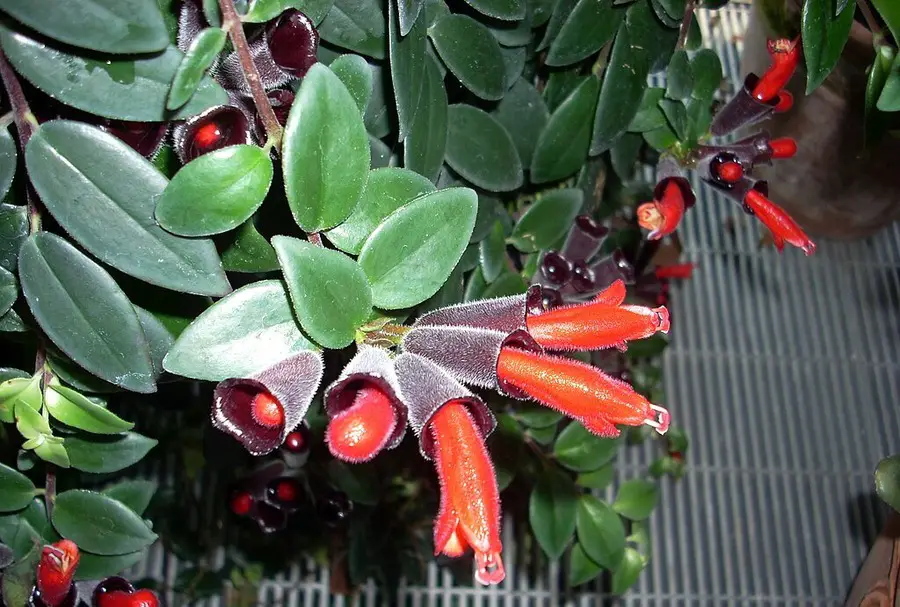
The plant gets its name from the flower buds, which form long tubes with red or in this case, possibly violet tips that really do look like a tube of lipstick.
I haven’t seen it bloom just yet, but with spring on the way and a little extra light, I’ve got a feeling it won’t be long before it shows off.
Popularity as a Houseplant
Now, this isn’t one of those plants everyone has on their windowsill and that’s part of the charm. The Purple Star Lipstick Plant feels a little more special.
It’s got lush foliage, fast-growing vines, and it comes practically ready to display in a hanging basket or trailing over a shelf.
I think more folks should know about this one, which is exactly why I’m sharing it with you.
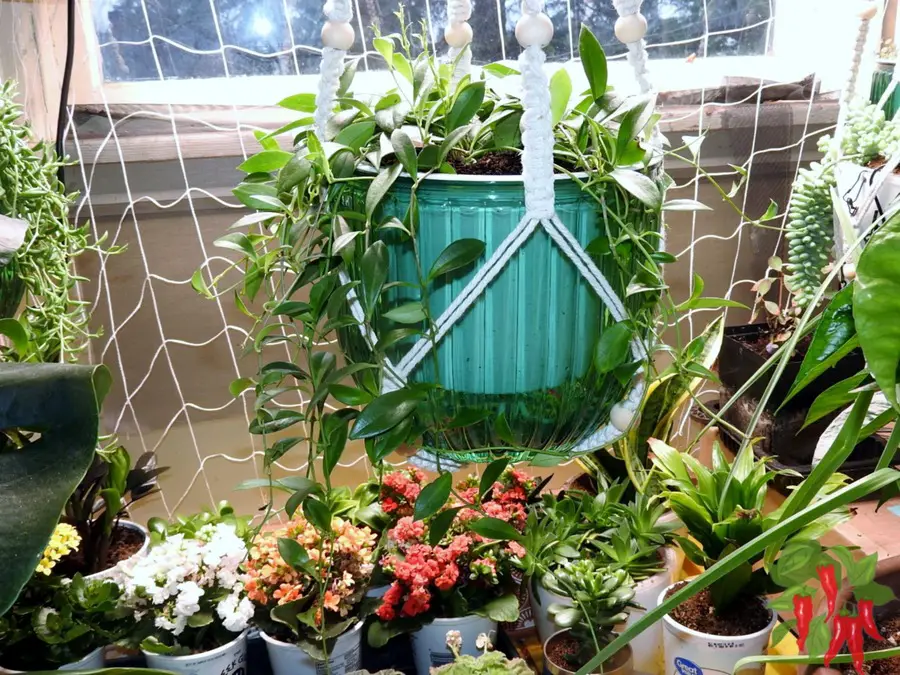
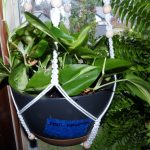
I’ve already potted mine into a self-watering Melphoe planter (more on that later), and it’s settling in nicely.
So if you’re looking for a houseplant with unique character and easygoing care needs, stick around. This one just might earn a spot in your collection too.
There’s a whole world of lipstick plants out there, and while the Purple Star is my newest addition, I’ve looked into some of its cousins and wow, they each bring their own flavor.
They’re all part of the Aeschynanthus genus, so they share similar care habits, but the variety in leaf shape, flower color, and growth style makes it easy to find one that fits your vibe.
Here’s a quick look at some standout lipstick plant varieties:
Purple Star – That’s the one I’ve got. It has an upright growth habit and produces those dramatic red-to-violet blooms. The vines were already trailing when it arrived, so it’s perfect for hanging right out of the box.
Mona Lisa – This one’s compact but puts out flowers like nobody’s business. Bright red blooms and glossy, deep green leaves make it a favorite for small spaces or tight plant clusters.
Rasta– Now this one’s wild. It’s got curly, twisty leaves that give it a ton of texture, and it still sports the classic red lipstick blooms.
Black Pagoda – A showstopper with variegated foliage that’s veined like a mosaic. The deep red flowers add contrast to the already stunning leaves.
Thai Pink – A soft and elegant option with pink blooms and glossy green leaves. Not as easy to find, but a gem if you do
Each of these lipstick plants brings something different to the table whether it’s color, texture, or growth style.
So if you end up loving the Purple Star like I do, there’s a whole lineup of relatives you can explore next.
Characteristics of the Purple Star Lipstick Plant
The Purple Star Lipstick Plant might not be as well-known as your everyday pothos or philodendron, but once you get to know it, you’ll see why it deserves the spotlight.
From the way it grows to the flowers it throws out, this plant’s got personality.
Botanical Classification
The Purple Star belongs to the Aeschynanthus genus, which includes all the lipstick plants.
These tropical beauties are epiphytes in the wild meaning they naturally grow on trees, not in the ground so they appreciate well-aerated soil and a little humidity.
Growth Habit
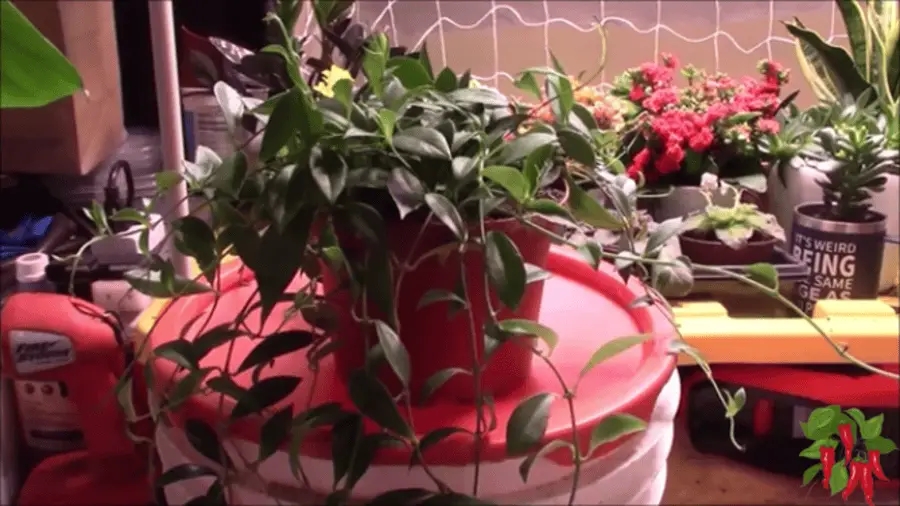
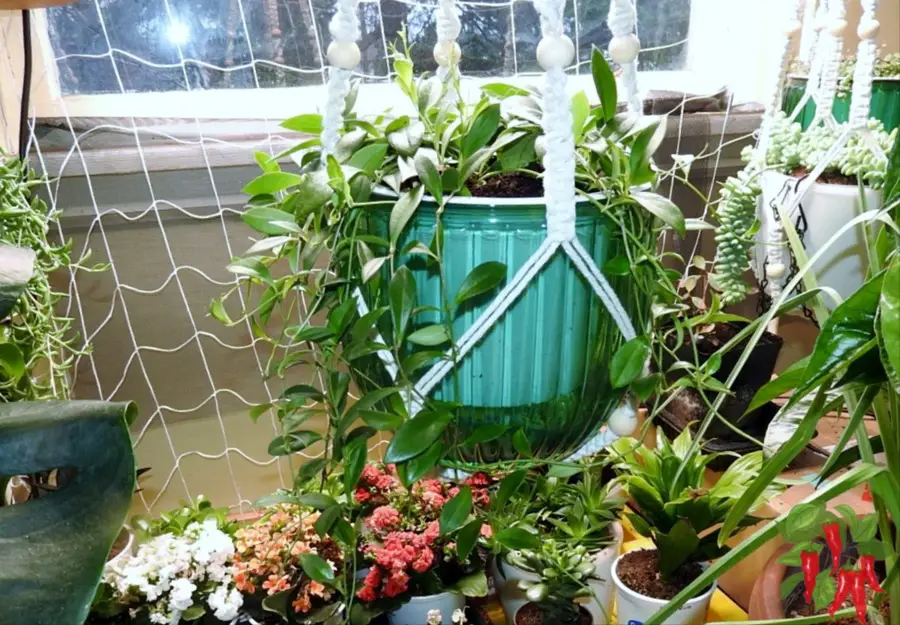
This plant came to me with long, trailing vines already in full swing, and that’s part of what makes it such a stunner.
You can let it cascade from a hanging basket, spill over the edge of a shelf, or even train it up a moss pole if you want to get fancy. It starts upright but quickly sends out vines that can get pretty long.
From the video: “There’s some pretty long vines on this, so it’s already a hanging plant when you get it.”
It’s a fast grower once it’s happy in its space, and I haven’t even repotted mine yet so it’s still in the nursery pot, tucked into my self-watering setup.
Flowering Attributes
The real show, though, is in the blooms. Lipstick plants get their name from the way the flower buds emerge in long tubes with bright red (or sometimes pink or purple) tips that look like lipstick being twisted up.
“It’s called a lipstick plant because it makes long tubes with red ends… they kind of look like a tube of lipstick.”
The Purple Star variety is supposed to have red flowers flushed with violet, which I haven’t seen yet, but I’ve got high hopes as the days get longer.
Like most lipstick plants, it tends to flower when it’s getting the right amount of light, warmth, and moisture.
So while this plant’s already a looker with just its foliage, the flowers are the bonus that makes it a real centerpiece once they start to show.
Ideal Growing Conditions
Getting your Purple Star Lipstick Plant to thrive isn’t hard. This plant’s pretty laid-back if you give it what it likes.
Think of it like setting up the perfect little tropical getaway on your windowsill: bright light, warm temps, and cozy soil. Here’s what’s been working for me so far.
Light Requirements
This plant loves bright, indirect light. It’ll tolerate a little morning sun, especially in an east-facing window, but keep it out of harsh afternoon rays as those can scorch the leaves or bleach out the color.
From the video: “It likes light but not direct sunlight, or not for long. You could put it in an east window where it gets morning sun and it would love that.”
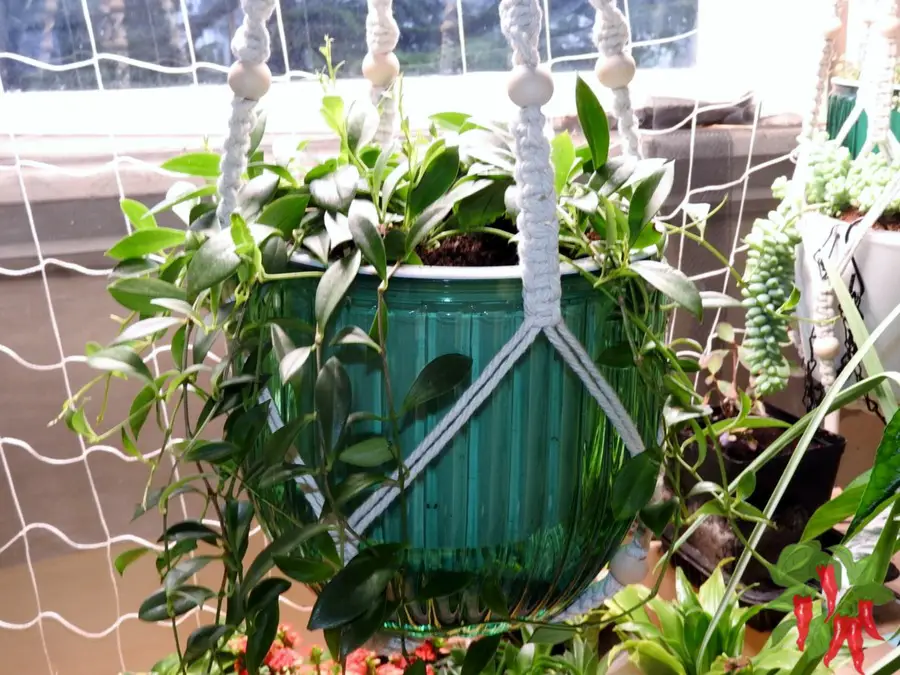
If you hang it too close to your grow lights (like I’ve done before), it might get more light than it wants. I use a macrame hanger to give it a bit of distance so it’s not frying under my setup.
Temperature and Humidity
This plant’s happy in average room temperatures around 65°F to 80°F is the sweet spot. It appreciates humidity, but it’s not super picky.
If you’ve got it in a kitchen or bathroom with a little natural steam, even better.
Just keep it away from cold drafts or hot air vents. Like most tropicals, it doesn’t enjoy extremes.
Soil Preferences
Lipstick plants are epiphytes, so they do best in a loose, airy potting mix that drains well. I always use coco coir for mine—it’s sustainable, holds just enough moisture, and won’t compact like regular potting soil.
“Basically, I’m gonna repot it in coco coir. That’s what I put all my plants in. Generally, I don’t use perlite.”
If you’re using a self-watering planter like I am, coco coir works beautifully with the wick system. It stays moist but not soggy—just what this plant wants.
With the right light, a little warmth, and some breathable soil, your Purple Star Lipstick Plant will be well on its way to lush growth and, hopefully, some of those showy blooms.
Watering and Fertilization
Watering is where a lot of people get tripped up with tropicals, but the Purple Star Lipstick Plant makes it pretty easy, especially if you’ve got it in the right setup.
This plant likes to stay evenly moist, but not soaked. The trick is to let the top inch or so of the soil dry out before watering again.
Overwatering can lead to root rot, while underwatering can cause wilting or leaf drop.
From the video: “Keep it moist but not wet… The self-watering planters I really like because, for one thing, it keeps water from dripping on the floor or on the furniture in your house.”
The self-watering pot I use has a clear outer container, which lets me see exactly how much water is left, no guessing required.
The wick system slowly pulls water up into the soil, keeping the moisture level steady without overdoing it.
“It has an insert… wicks that wick up the water… because it’s translucent like this, you can tell when it needs to be watered again.”
If you’re watering by hand, give it a good soak until water runs out the bottom—then let it drain fully before putting it back in its decorative pot or hanger.
Fertilization Practices
During the growing season (spring through early fall), your Purple Star will appreciate a little boost.
A balanced liquid houseplant fertilizer, diluted to half strength, once or twice a month should be plenty.
Don’t overdo it, though. Too much fertilizer can actually slow down flowering or burn the roots. Less is more here.
Once winter rolls around, skip the feeding and just focus on light and moisture.
With a steady watering routine and the occasional dose of nutrients, your lipstick plant will stay full, lush, and ready to bloom.
And trust me, self-watering hanging baskets make the whole process a lot more hands-off and a lot more enjoyable.
Lipstick Plant Care Reference Guide
Characteristic
Details
Common Name
Lipstick Plant
Botanical Name
Aeschynanthus radicans
Native Habitat
Tropical Southeast Asia
Plant Type
Evergreen trailing epiphyte
Growth Pattern
Trailing or cascading growth habit
Mature Size
12–24 inches long
Watering
Keep soil lightly moist; allow top inch to dry out between waterings
Light/Sun Exposure
Bright, indirect light; avoid direct sun
Soil Type
Light, well-draining mix (peat moss or coco coir with perlite)
Soil pH
Slightly acidic to neutral (6.0–7.0)
Temperature
65–80°F (18–27°C); protect from cold drafts
Humidity
High humidity preferred (50%+); misting or pebble trays helpful
Bloom Time & Flower Color
Blooms spring through summer; bright red tubular flowers
10–11 (outdoor); typically grown indoors elsewhere
Common Purple Star Lipstick Plant Problems
The Purple Star Lipstick Plant is pretty easy to grow once it settles in, but like most tropical houseplants, it will show you quickly when something is off. Most problems come down to light, watering, humidity, or pests. Here’s what to watch for and how to fix it.
🍂 Leaf Drop
Leaf drop is usually caused by low light, overwatering, or sudden environmental changes like cold drafts. If leaves start dropping from the base of the vines, check your lighting and let the top inch of the growing mix dry before watering again.
🌼 No Blooms
If your lipstick plant isn’t flowering, it usually needs more light. Bright indirect light is the biggest key to blooming. Too much nitrogen from fertilizer can also encourage leaves over flowers, so don’t overfeed.
🌿 Yellow Leaves
Yellow leaves often point to overwatering or poor drainage. This plant likes moisture, but soggy roots can cause stress fast. A loose coco coir mix and a pot with drainage can help prevent this.
🪱 Root Rot
Root rot is one of the biggest risks if the roots stay wet too long. Signs include yellowing, drooping, and mushy stems. Self-watering planters can help if used correctly, but always make sure the roots are not sitting directly in water.
🥀 Wrinkled Leaves
Wrinkled or shriveled leaves usually mean the plant is too dry or the roots are not taking up enough water. Check the moisture level and inspect the roots if the plant keeps looking dehydrated.
🕷️ Spider Mites and Other Pests
Spider mites, mealybugs, and aphids can all show up, especially in dry indoor air. Look for webbing, sticky residue, or fuzzy white spots. Wipe down the leaves, rinse the plant, and use insecticidal soap if needed.
📏 Leggy Vines
Long, stretched-out vines with sparse leaves usually mean the plant wants more light. Move it closer to a bright window or add supplemental grow lighting to encourage fuller growth.
Most Purple Star Lipstick Plant problems are easy to fix once you adjust the basics. Keep the light bright, the moisture steady, and the humidity comfortable, and this plant will usually bounce back fast.
Pruning and Maintenance
The Purple Star Lipstick Plant doesn’t need much in the way of pruning, but giving it a little regular maintenance helps it stay full, healthy, and ready to bloom.
Plus, trimming it back from time to time can actually encourage new growth and more flowers, always a win in my book.
Pruning Guidelines
If you notice any yellowing leaves or tangled vines, go ahead and snip them off with clean scissors or pruning shears.
This helps the plant focus its energy on the healthy stuff and keeps it looking tidy. You can also trim leggy stems to encourage bushier growth.
From the video: “You can see the vines go way down… it’s already a hanging plant when you get it.”
Once those vines start really taking off, don’t be afraid to shape the plant a bit. Whether it’s hanging in a basket or trailing from a shelf, a light trim here and there keeps it balanced.
Pro tip: If you’re cutting back a long vine, try rooting the trimmed piece as a cutting. That way, you don’t waste anything, and you might end up with a second plant.
Encouraging Blooms
Lipstick plants are known for their wild, tube-shaped flowers, and while they’re not constant bloomers, you can definitely nudge them in the right direction.
Here’s what helps encourage blooms:
Bright, indirect light—more light = more flowers
Consistent watering—not too wet, not too dry
Regular feeding—use a diluted balanced fertilizer during spring and summer
Proper temperature—they like it warm and steady
From the video: “I don’t know how long it’s gonna take for it to flower, but I expect that with spring on the way and more light… it shouldn’t be too long.”
It might take a season or two for your plant to really start blooming, but with the right conditions, those lipstick-like flowers will start to show up and they’re absolutely worth the wait.
Keep it trimmed, well-lit, and fed, and this plant will reward you with lush growth and those striking, tubular blooms.
Propagation Techniques
The Purple Star Lipstick Plant is one of those plants that practically invites you to share it.
Whether you’re looking to expand your collection or gift a piece to a friend, propagation is easy and fun.
The best method by far is stem cuttings, but let’s talk about division too—just in case you’re repotting a larger, well-established plant.
Stem Cuttings
This is the go-to method, and it’s super straightforward. When you trim a vine, you’ve already got the makings of a new plant.
Here’s how I’d do it:
Snip a 4–6 inch stem just below a leaf node using clean scissors
Remove the bottom set of leaves
Place the cutting in water or a moist potting mix like coco coir
Keep it in bright, indirect light and maintain humidity (a plastic bag or humidity dome can help)
In a couple of weeks, you should see roots forming. Once those roots are about an inch long, transplant the cutting into its own pot.
You can also tuck a rooted cutting back into the mother plant’s pot to fill it out if you want a fuller look.
Division
While it’s not the most common method for lipstick plants, division is possible if your plant is really well-established and has multiple rooted stems clumped together.
If you’re repotting anyway and notice that the plant has several individual stems with their own root systems:
Gently separate the root ball into smaller sections
Use your hands or a clean blade if needed
Repot each section into its own container with fresh mix
This works best during active growth (spring or summer), and it’s a great way to give your plant a refresh while doubling your collection.
Dividing a lipstick plant (Aeschynanthus radicans) is a great way to propagate it and create new plants. Here’s how you can do it:
1. Prepare the plant: Carefully remove the lipstick plant from its pot. Gently shake off excess soil to expose the roots. 2. Divide the roots: Look for natural divisions in the root system. Use a clean, sharp knife or scissors to separate the plant into sections. Each section should have at least one or two stems and a healthy root system. 3. Replant: Plant each division in a new pot with fresh, well-draining soil. Ensure the pot has drainage holes to prevent waterlogging. 4. Care for the new plants: Place the pots in a location with bright, indirect light. Water the plants regularly, keeping the soil moist but not soggy.
This method is ideal for rejuvenating an older plant or creating multiple plants from one.
Whether you’re rooting stem cuttings in water or dividing a mature plant during repotting, propagating the Purple Star Lipstick Plant is a low-risk, high-reward move.
Repotting Recommendations
The Purple Star Lipstick Plant doesn’t mind being a little snug in its pot, but like most houseplants, it’ll eventually outgrow its space.
If you start seeing roots poking out of the drainage holes or notice that it dries out super fast, it’s probably time for a new home.
When to Repot
You’ll usually only need to repot every 1–2 years, depending on how fast your plant is growing. The best time to do it is during the spring or early summer when the plant is actively putting out new growth.
From the video: “I have not repotted it yet… I’m gonna repot it in coco coir. That’s what I put all my plants in.”
Signs it’s time to repot:
Roots circling the bottom of the pot or growing out the drainage holes
Soil drying out too quickly
Plant looking a bit cramped or top-heavy
Repotting Steps
Here’s how I like to handle it:
Choose a pot one size larger (don’t go too big!) with proper drainage holes
Use a well-draining mix—I stick with 100% coco coir for my plants, and it works like a charm
Gently remove the plant from its current pot, keeping the roots intact as much as possible
Loosen the root ball slightly to help it adjust to the new soil
Place the plant in the new pot and fill around it with fresh coco coir
Water thoroughly and let it settle in
From the video: “Here it is in its final resting place. It’s all potted up and ready to grow.”
If you’re using a self-watering planter, make sure the wick system is positioned properly and fill the reservoir.
I love using clear, hanging self-watering pots because I can easily see how much water is left and I don’t have to worry about spills on the floor or furniture.
A fresh pot with fresh soil gives your Purple Star Lipstick Plant room to stretch its roots and push out more of those beautiful vines.
Benefits of the Purple Star Lipstick Plant
The Purple Star Lipstick Plant isn’t just a looker and it’s a solid addition to any indoor plant collection with a few hidden perks.
Whether you’re into bold flowers, trailing vines, or just want something a little different, this plant brings beauty and benefits all in one tidy package.
Aesthetic Appeal
Let’s start with the obvious: this plant is a showstopper. From the lush, glossy green foliage to the dramatic trailing vines, it adds instant charm to any space.
And once those tube-like flowers start to bloom flushed in red and violet, you’ll understand why they are called lipstick plants.
From the video: “It is a pretty plant… I think it’ll be really nice once it starts to flower.”
It works great in hanging baskets, trailing from shelves, or even as a centerpiece in a bright room.
The vines grow long quickly, and you don’t have to wait forever for it to make an impact.
Indoor Appeal and Easy Care
Like many tropical houseplants, the Purple Star pulls double duty as a natural air filter.
While it may not be as famous as a peace lily or spider plant in the air-purifying department, lipstick plants still help clean indoor air by absorbing small amounts of common pollutants through their leaves and roots.
So while it’s busy looking good, it’s also doing a quiet bit of work to help you breathe easier. Not bad for a plant that takes up hardly any floor space.
With its bold style and low-maintenance care, the Purple Star Lipstick Plant is one of those rare finds that’s both functional and fabulous.
Purple Star Lipstick Plant Care FAQs
How often should I water a Purple Star Lipstick Plant?
Water when the top inch of the growing mix starts to dry out. This plant likes steady moisture but does not like soggy roots. If you use a self-watering planter, keep an eye on the reservoir and refill as needed.
Why is my lipstick plant dropping leaves?
Leaf drop is usually caused by low light, overwatering, or sudden temperature changes. Check your light levels first and make sure the roots are not staying too wet.
How do I get my Purple Star Lipstick Plant to bloom?
Bright indirect light is the biggest factor for blooms. Warm temperatures, steady watering, and light feeding during the growing season also help encourage flowering.
Can lipstick plants grow in low light?
They can survive in lower light, but growth will slow and blooming becomes less likely. For the best growth and flowering, aim for bright filtered light.
Are Purple Star Lipstick Plants good for hanging baskets?
Yes. Their natural trailing vines make them an excellent hanging basket plant. They look especially good once the vines start cascading and flowers begin to form.
Can I grow lipstick plants in self-watering planters?
Absolutely. I’ve had great success using self-watering hanging planters because they help keep moisture more consistent and reduce the risk of underwatering.
How do you propagate a Purple Star Lipstick Plant?
The easiest way is with stem cuttings. Cut a healthy vine below a node, remove the lower leaves, and root it in water or moist coco coir. Division also works if the plant is mature and has multiple rooted stems.
Purple Star Lipstick Plant Conclusion
Adding a Purple Star Lipstick Plant to your indoor garden isn’t just about aesthetics.
It’s about discovering a plant that’s unique, rewarding, and genuinely fun to grow.
Whether it’s your first lipstick plant or just your newest addition, this one stands out with its cascading vines and vibrant blooms.
Recap of Purple Star Lipstick Plant Care Tips
Here’s a quick rundown to keep your Purple Star thriving:
Light: Bright, indirect light is best—an east-facing window works great.
Water: Keep the soil moist but never soggy. Self-watering planters are a game changer.
Soil: Loose, breathable mix like coco coir—no heavy potting soil needed.
Temperature: Average room temps (65–80°F) with a little humidity are perfect.
Feeding: Light fertilizer during the growing season to encourage blooms.
Propagation: Easy to grow from stem cuttings, and you can divide mature plants too.
Pests & Issues: Watch for overwatering, occasional bugs, and low-light leaf drop.
From the video: “It’s all potted up and ready to grow… I think it’ll be really nice once it starts to flower.”
Encouragement for Plant Enthusiasts
If you’re looking for something a little off the beaten path and something with character, color, and some real wow-factor then the Purple Star Lipstick Plant might just be your next favorite.
It’s easy to care for, fast-growing, and just unique enough to spark some curiosity from your plant-loving friends.
Whether you grow it from a shelf, let it trail from a basket, or experiment with cuttings, this is a plant that makes you feel like you’re doing something special—and it doesn’t ask for much in return.
So go ahead, give it a try. Happy gardening—and don’t forget… Stay green. 🌿

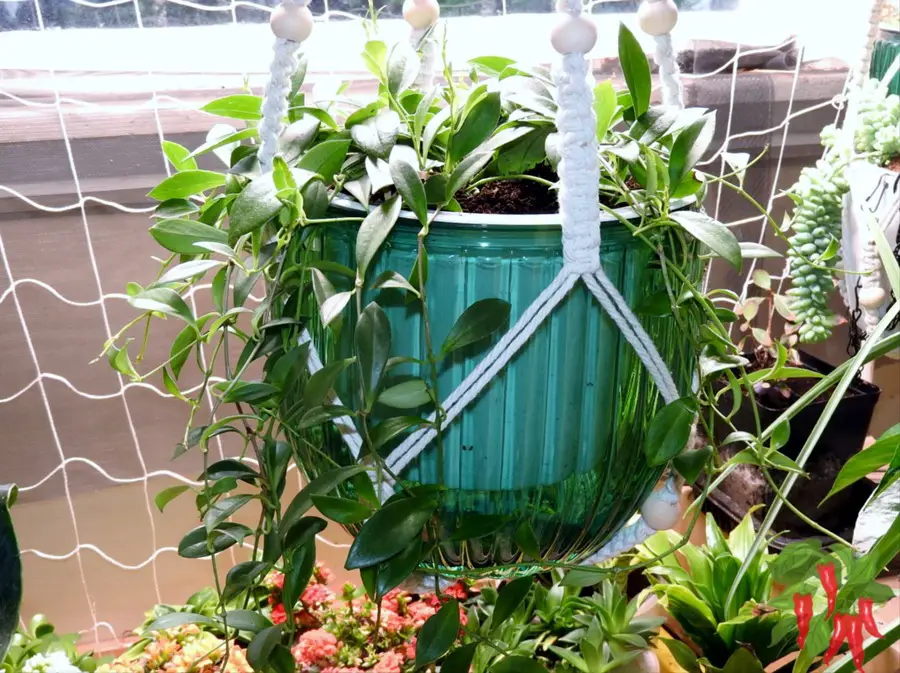
 Purple Star (Lipstick Plant) – 6” from California Tropicals