Philodendron Brasil care is straightforward once you balance light, moisture, and drainage. This colorful heartleaf philodendron grows well in bright, indirect light and develops long trailing or climbing vines marked with green and lime-yellow variegation.
I grow Philodendron Brasil in a loose mixture of coco coir and perlite. The coco coir retains moisture around the roots, while the perlite creates the drainage and air space that help prevent the growing mixture from remaining soggy.
You can let the vines trail from a hanging basket or shelf, or train them up a trellis or moss pole. In this guide, I’ll walk you through the light, watering, growing mixture, fertilizer, propagation, pruning, and troubleshooting needed to keep your plant growing well indoors.
What You’ll Learn
How much indirect light Philodendron Brasil needs
When to water without keeping the roots constantly wet
Why I use coco coir and perlite as the growing mixture
How temperature and humidity affect growth
When to fertilize, prune, and repot the plant
How to propagate Philodendron Brasil from stem cuttings
How to recognize pests, root problems, and fading variegation
How to position the plant safely around children and pets
Grow Philodendron Brasil in bright, indirect light and water when the upper inch or two of the growing mixture begins to feel dry. I use a loose blend of buffered coco coir and perlite in a container with drainage holes. Average household temperatures are usually suitable, although the plant should be protected from cold drafts, heating vents, and prolonged direct sunlight. Feed lightly during active growth and prune long vines when you want to control the plant’s size or encourage a fuller appearance.
Philodendron Brasil Care at a Glance
Care Requirement
Philodendron Brasil Preference
Light
Bright, indirect light
Water
Water when the upper inch or two begins to feel dry
Growing mixture
Buffered coco coir and perlite
Container
A pot with unobstructed drainage holes
Temperature
Warm, stable household temperatures above 55°F
Humidity
Average household humidity or higher
Fertilizer
Diluted, balanced houseplant fertilizer during active growth
Growth habit
Trailing or climbing vines
Propagation
Stem cuttings containing at least one healthy node
Excited to transform your Philodendron Brasil into a stunning, vibrant showpiece? You’re in the right place.
We’ll share everything you need to keep your plant thriving and looking its best. Let’s dive into the wonderful world of Philodendron Brasil care!
Overview of Philodendron Brasil
Philodendron Brasil, with its eye-catching lime-green variegated leaves, is a beloved cultivar of the heartleaf philodendron.
This vining plant not only adds a tropical flair to any indoor space but also brings a touch of nature’s beauty to your home.
Its ease of care makes it a favorite among plant enthusiasts, both new and experienced.
Understanding Its Tropical Origin
Knowing your Philodendron Brasil’s tropical roots can significantly enhance its care.
Originating from the rainforests of South America, this plant thrives in warm, humid environments with ample indirect light.
Mimicking these conditions at home will ensure your Philodendron Brasil remains healthy and vibrant.
Philodendron hederaceum, the heartleaf philodendron (syn. Philodendron scandens) is a species of flowering plant in the family Araceae, native to Central America and the Caribbean which is common in the houseplant trade. Wikipedia
Howdy everyone! Bringing a touch of the tropics into your home is easy with the Philodendron Brasil. Here’s how to ensure your indoor plant stays healthy and vibrant.
Optimal Indoor Conditions
Light: Philodendron Brasil thrives in bright, indirect light. Too much direct sunlight can harm its leaves.
Water: Water when the top inch of soil feels dry. Be mindful of overwatering, as it can lead to root rot.
Humidity: Aim for a humidity level around 60%. Use a humidifier or mist the leaves regularly.
Temperature: Keep indoor temperatures between 60°F and 75°F. Avoid placing the plant near drafts or temperature fluctuations.
With these simple tips, your Philodendron Brasil will flourish indoors, adding a lush, tropical touch to your space.
When growing Philodendron Brasil indoors, choosing the right pot is key to its health and growth.
Let’s explore the best types of pots and the benefits of using nursery pots with outer decorative pots for optimal drainage.
Best Types of Pots
When selecting a pot for your Philodendron Brasil, consider the following materials and sizes:
Terracotta Pots: These are great for Philodendrons because they are porous, allowing air and moisture to move through the sides of the pot. This helps prevent overwatering and root rot. Terracotta pots are also heavy, providing stability for taller plants.
Plastic Pots: Lightweight and usually less expensive, plastic pots retain moisture longer than terracotta, which can be beneficial in drier environments. They are also easier to move around.
Ceramic Pots: These pots can be both decorative and functional. Ensure they have drainage holes to prevent water from pooling at the bottom.
Self-Watering Pots: Ideal for those who might forget to water regularly, these pots have a reservoir at the bottom that provides a consistent water supply to the plant.
Benefits of Using Nursery Pots with Outer Decorative Pots
Using a nursery pot inside a decorative outer pot combines functionality with aesthetics. Here’s why it’s beneficial:
Improved Drainage: Nursery pots typically have better drainage than some decorative pots. Placing a nursery pot inside a decorative pot allows excess water to drain out easily, preventing root rot.
Ease of Watering: You can remove the nursery pot to water your plant and let it drain completely before placing it back in the decorative pot. This ensures the roots are not sitting in water.
Flexibility: If your Philodendron Brasil outgrows its pot, it’s easier to repot when it’s in a nursery pot. Simply transfer it to a larger nursery pot and place it back into the decorative pot.
Temperature Control: Nursery pots tend to heat up and cool down more quickly than heavy decorative pots, which can help prevent temperature stress on the roots.
By choosing the right pot and using the nursery pot with an outer decorative pot setup, you can ensure your Philodendron Brasil grows healthy and strong indoors.
The soil mix you choose for your Philodendron Brasil can make a big difference in its health and growth.
While traditional peat-based potting soil is common, a coco coir and perlite mix offers several advantages that can keep your plant thriving. Let’s dive into why this mix is a great choice.
Advantages of a Coco Coir and Perlite Mix
Using a coco coir and perlite mix instead of peat-based potting soil has numerous benefits:
Sustainable and Eco-Friendly: Coco coir is a byproduct of the coconut industry, making it a more sustainable choice compared to peat, which is harvested from slowly renewing peat bogs.
Excellent Drainage and Aeration: Coco coir provides excellent drainage while retaining enough moisture to keep the roots hydrated. Perlite enhances this by adding more air pockets, ensuring that the roots get plenty of oxygen.
pH Neutral: Coco coir has a neutral pH, making it easier to manage the overall pH of your potting mix. Peat, on the other hand, is acidic and may require adjustments depending on the plant’s needs.
Resilient and Long-Lasting: Coco coir breaks down much slower than peat, providing a stable growing medium for a longer period. This means fewer repotting sessions and more time enjoying your lush Philodendron Brasil.
Pest and Disease Resistance: Coco coir naturally resists pathogens and pests, reducing the likelihood of infestations and root diseases that can plague your plant.
Making Your Coco Coir and Perlite Mix
Creating a coco coir and perlite mix is simple and rewarding. Here’s how you can do it:
Ingredients:
Coco coir (available in compressed bricks or loose)
Perlite
Optional: a small amount of orchid bark for added texture and drainage
Instructions:
Prepare Coco Coir: If using compressed coco coir bricks, soak them in water until they expand and break apart into a fluffy, soil-like texture.
Mix with Perlite: Combine equal parts of coco coir and perlite in a large container. For extra drainage and texture, you can add some orchid bark. You can increase water holding capacity by altering and using 25% to 33% perlite.
Blend Well: Mix thoroughly to ensure an even distribution of coco coir, perlite, and any additional ingredients.
By choosing a coco coir and perlite mix, you provide your Philodendron Brasil with a well-draining, aerated, and sustainable growing medium.
This mix supports healthy root development and vibrant growth, helping your plant thrive in its indoor environment. Happy planting, and keep it green!
Philodendron Brasil’s beautiful variegated leaves are a joy to behold, but getting the lighting just right is key to keeping them vibrant.
Let’s explore the best light conditions, the effects of improper lighting, and tips to maintain those stunning colors.
Optimal Light Conditions
Philodendron Brasil thrives in bright, indirect light. Here’s what that means:
Bright, Indirect Light: This plant loves light that is filtered, similar to what it would receive under the canopy of a tropical forest. Placing it near an east-facing window where it can get morning sun followed by indirect light throughout the day is ideal.
Avoid Direct Sunlight: Direct sunlight can scorch the leaves, causing them to turn yellow or brown and lose their vibrant variegation. If you notice the leaves getting burnt, move the plant to a spot with less direct exposure.
Low Light Tolerance: While Philodendron Brasil can survive in low light conditions, it won’t thrive. The plant will grow more slowly, and the beautiful variegation may fade.
Effects of Too Much or Too Little Light on Variegation
Maintaining the vibrant variegation of Philodendron Brasil requires the right balance of light:
Too Much Light: Excessive direct sunlight can lead to scorched leaves, causing brown edges and spots. The plant may also become stressed, leading to a loss of variegation as the leaves turn more green to protect themselves.
Too Little Light: In low light, the plant may become leggy, with longer spaces between leaves as it stretches towards the light. The lack of light also reduces the variegation, causing the leaves to revert to a solid green color.
Tips for Maintaining Variegation
Keeping your Philodendron Brasil’s leaves vibrant and variegated involves a few simple tips:
Place in East-Facing Windows: An east-facing window is perfect because it provides bright, indirect light in the morning without the harsh afternoon sun.
Use Sheer Curtains: If you need to place the plant in a south or west-facing window, use sheer curtains to filter the light and reduce the intensity.
Rotate the Plant: Rotate your plant every few weeks to ensure all sides receive equal light, promoting even growth and variegation.
Supplement with Grow Lights: During the darker winter months or if your home lacks sufficient natural light, consider using grow lights to provide the necessary light intensity.
By providing the right light conditions, you can keep your Philodendron Brasil looking its best, with vibrant, variegated leaves that brighten up your indoor space.
Philodendron Brasil Humidity
Keeping your Philodendron Brasil in the right humidity is key to its health and vibrant appearance. Let’s talk about the best humidity levels, what happens when it’s too dry, and some easy ways to raise humidity.
Ideal Humidity Levels
Philodendron Brasil loves medium to high humidity. Here’s the sweet spot:
Optimal Humidity: Aim for around 60% humidity. This mirrors its natural tropical habitat and helps the plant thrive.
Household Humidity: While it can handle average indoor humidity (around 40%), higher levels are better for promoting lush growth.
Signs of Inadequate Humidity
When your Philodendron Brasil isn’t getting enough moisture, it will show some telltale signs:
Brown, Crispy Leaf Tips: This is a clear sign that the air is too dry. The tips of the leaves turn brown and crispy when the plant loses moisture faster than it can absorb it.
Slow Growth: Dry air can also stunt the plant’s growth, making it look less vibrant and healthy.
Wilting: In more severe cases, low humidity can cause the leaves to wilt and droop, giving the plant an unhealthy appearance.
Ways to Increase Humidity
Here are some easy ways to boost the humidity around your Philodendron Brasil:
Humidifiers: A humidifier is the most effective way to keep the air moist. Place it near your plant to maintain a consistent level of humidity.
Pebble Trays: Fill a tray with pebbles and add water until it just covers the tops of the pebbles. Place your plant pot on the tray, ensuring the bottom of the pot isn’t submerged. As the water evaporates, it will increase the humidity around the plant.
Group Planting: Grouping your plants together can naturally raise the humidity levels. Plants release moisture into the air through a process called transpiration, and clustering them creates a more humid environment.
Misting: Regularly misting the leaves with water can provide a temporary boost in humidity. Just be careful not to overdo it, as too much moisture on the leaves can lead to fungal issues.
By keeping the humidity levels just right, your Philodendron Brasil will flourish, showing off its vibrant, variegated leaves and lush growth.
Philodendron Brasil Temperature
Keeping your Philodendron Brasil at the right temperature is essential for its growth and overall health. Let’s discuss the optimal temperature range, the effects of temperature changes, and how to maintain stable indoor temperatures.
Optimal Temperature Range
Philodendron Brasil thrives in warm environments. Here’s the sweet spot:
Ideal Range: Keep the temperature between 60°F and 75°F (16°C to 24°C). This range closely mimics the plant’s natural tropical habitat.
Minimum Temperature: Avoid letting the temperature drop below 55°F (13°C). Lower temperatures can stress the plant and hinder its growth.
Effects of Temperature Fluctuations
Temperature stability is important for Philodendron Brasil. Here’s what can happen with fluctuations:
Sudden Drops: Quick temperature drops can cause the plant’s leaves to wilt and yellow. Prolonged exposure to cold can lead to more serious damage, including leaf drop and stunted growth.
High Heat: While Philodendron Brasil enjoys warmth, temperatures above 80°F (27°C) can cause the leaves to become scorched and may lead to faster evaporation of soil moisture, requiring more frequent watering.
Drafts and Vents: Placing the plant near drafts, air conditioners, or heating vents can create temperature fluctuations that stress the plant.
Tips for Maintaining Stable Indoor Temperatures
Keeping a consistent temperature for your Philodendron Brasil is crucial. Here are some tips:
Placement: Keep the plant away from windows or doors that are frequently opened, as this can lead to sudden temperature changes.
Room Selection: Choose a room with a stable temperature. Kitchens and bathrooms can be good choices because they often have higher humidity and stable temperatures.
Use a Thermometer: Monitor the room temperature with a thermometer to ensure it stays within the ideal range.
Insulation: If you live in an area with cold winters, make sure windows and doors are well-insulated to prevent drafts.
Heating and Cooling: Use a space heater or air conditioner to maintain a stable temperature if necessary. Just make sure the plant is not in the direct airflow of these devices.
By maintaining the right temperature and avoiding fluctuations, your Philodendron Brasil will continue to thrive and bring its tropical beauty into your home.
Philodendron Brasil Fertilizer
Feeding your Philodendron Brasil the right nutrients is key to keeping it lush and vibrant. Let’s explore the best fertilizers, a helpful feeding schedule, and the importance of flushing the soil to prevent salt buildup.
Best Fertilizers
Choosing the right fertilizer can make a big difference in your plant’s health. Here are some top picks:
Fish Emulsion: This organic fertilizer is packed with nutrients. Although it has a strong smell initially, it dissipates quickly and is excellent for overall plant health.
Worm Castings: Another fantastic organic option, worm castings provide a slow release of nutrients. They are odor-free and easy to mix into the soil.
Balanced Liquid Fertilizer: A general-purpose liquid fertilizer diluted to half strength works well. Look for a balanced formula, such as 10-10-10 or 20-20-20, to ensure your plant gets all essential nutrients.
Fertilizing Schedule and Tips
Regular feeding during the growing season can help your Philodendron Brasil flourish. Here’s how to do it:
Growing Season: Fertilize once a month during the spring and summer when the plant is actively growing.
Dilution: Always dilute liquid fertilizers to half the recommended strength to avoid over-fertilizing.
No Fertilizing in Winter: During the fall and winter, reduce or stop fertilizing altogether, as the plant’s growth slows down.
Pre-Watering: Water the plant before applying fertilizer to prevent root burn.
Importance of Flushing the Soil
Flushing the soil periodically is crucial to prevent the buildup of salts and other residues. Here’s why and how to do it:
Why It’s Important: Over time, fertilizers can leave salts in the soil, which can harm your plant’s roots and inhibit its ability to absorb water and nutrients.
How to Flush the Soil:
Water Thoroughly: Every few months, water your plant thoroughly, allowing water to run through the soil and drain out the bottom.
Repeat: Do this until you’ve run at least a gallon of water through the pot, ensuring any accumulated salts are washed away.
Drainage: Make sure the pot has good drainage to allow excess water and salts to escape.
By choosing the right fertilizers, sticking to a proper feeding schedule, and regularly flushing the soil, your Philodendron Brasil will stay healthy and vibrant.
Philodendron Brasil Propagation
Propagating your Philodendron Brasil is a fun and rewarding way to expand your plant collection or share with friends.
Let’s go through a step-by-step guide to stem cutting propagation, tips for rooting in water vs. soil, and some unique methods to try.
Step-by-Step Guide to Stem Cutting Propagation
Propagating Philodendron Brasil through stem cuttings is straightforward. Here’s how you can do it:
Choose a Healthy Stem: Select a healthy stem with at least 4-6 leaves. Look for a segment that’s not too old or too young.
Make the Cut: Using clean, sharp scissors or pruning shears, cut a 4-6 inch section of the stem just below a node (the point where a leaf attaches to the stem).
Remove Lower Leaves: Remove the leaves from the bottom two nodes of the cutting. This is where new roots will emerge.
Prepare for Rooting: You can root your cutting in water or soil. Both methods have their benefits, so choose the one that works best for you.
Tips for Rooting in Water vs. Soil
Rooting in Water:
Place in Water: Submerge the cut end of the stem in a jar of water, making sure the nodes are underwater but the leaves are above.
Change Water Regularly: Change the water every few days to keep it fresh and oxygenated.
Wait for Roots: Within 2-4 weeks, you should see roots developing. Once the roots are about an inch long, you can transplant the cutting into soil.
Rooting in Soil:
Prepare the Pot: Fill a small pot with a well-draining potting mix, such as a mix of coco coir and perlite.
Plant the Cutting: Insert the cut end of the stem into the soil, making sure the nodes are buried.
Water Lightly: Water the soil lightly to keep it moist but not soggy.
Cover for Humidity: You can cover the pot with a plastic bag to create a humid environment, which encourages root growth. Just make sure to ventilate occasionally to prevent mold.
Philodendron Brasil Propagation by Division
Propagation by division is an excellent way to create new plants from an existing one. Here’s how to do it:
Remove the Plant: Gently take your Philodendron Brasil out of its pot, being careful not to damage the roots.
Divide the Root Ball: Using a clean, sharp knife or your hands, divide the root ball into two or more sections. Ensure each section has a good amount of roots and stems.
Prepare New Pots: Fill new pots with a well-draining mix, like coco coir and perlite.
Plant the Divisions: Place each section into its own pot, covering the roots with soil and firming it gently around the base.
Water Lightly: Water the newly potted plants lightly to help them settle in. Keep the soil moist but not soggy.
By dividing your Philodendron Brasil, you can easily propagate multiple new plants and keep your collection growing. Happy propagating, and keep it green!
By following these steps and tips, you can successfully propagate your Philodendron Brasil and enjoy the satisfaction of growing new plants.
Philodendron Brasil Pruning
Pruning your Philodendron Brasil helps control its size, remove damaged growth, and encourage a fuller plant. It is also a good opportunity to take stem cuttings for propagation.
Benefits of Pruning Philodendron Brasil
Occasional pruning can benefit your plant in several ways:
Encourages new growth: Cutting a vine near a node can encourage the plant to produce another growing point.
Removes damaged leaves: Yellow, damaged, or badly marked leaves can be removed so the plant maintains a tidy appearance.
Controls its size: Trimming long vines helps keep the plant from outgrowing its shelf, hanging basket, or climbing support.
Provides propagation material: Healthy sections containing at least one node can be rooted to produce additional plants.
How to Encourage Fuller Growth
Philodendron Brasil naturally produces long vines. Pruning can encourage new growth, but a single vine may not automatically become a dense plant after one cut.
Trim above a node: Make the pruning cut just above a healthy leaf node on the parent plant.
Shorten leggy vines: Cut overly long or sparsely leafed vines back to a healthy section.
Root the cuttings: Propagate healthy pieces containing nodes in water or a moist growing mixture.
Return cuttings to the original pot: Once rooted, plant several cuttings around the parent plant to create a fuller appearance.
Check the light: If new growth remains stretched and widely spaced, the plant may need brighter indirect light.
Cleaning Your Pruning Tools
Use clean, sharp scissors or pruning shears so the stems are cut cleanly instead of crushed or torn.
Wipe the blades with 70% isopropyl alcohol before pruning.
Clean the blades again before moving to another plant.
Wear gloves if the plant’s sap irritates your skin.
Keep freshly cut stems and leaves away from children and pets.
You do not need to prune Philodendron Brasil on a strict schedule. Trim it when vines become too long, growth becomes sparse, or damaged foliage needs to be removed.
Philodendron Brasil Repotting
Knowing when and how to repot your Philodendron Brasil is essential for keeping it healthy and thriving. Let’s dive into the signs it’s time to repot, a step-by-step repotting guide, and the benefits of using slightly snug pots versus larger pots.
Signs It’s Time to Repot
Recognizing when your Philodendron Brasil needs a new pot is crucial for its health. Here are some signs:
Roots Coming Out: If you see roots poking out of the drainage holes or growing on the soil surface, it’s time for a bigger pot.
Slow Growth: If your plant’s growth has slowed down despite good care, it might be root-bound and in need of more space.
Frequent Watering: If the soil dries out quickly after watering, the roots may have outgrown the pot and absorbed most of the soil, leaving less to hold moisture.
Root Ball Formation: When you remove the plant from its pot and see a dense root ball with minimal soil, it’s definitely time to repot.
Step-by-Step Repotting Guide
Repotting your Philodendron Brasil is a straightforward process. Follow these steps to ensure a smooth transition:
Choose the Right Pot: Select a pot that is 1-2 inches larger in diameter than the current one. Make sure it has drainage holes.
Prepare the Potting Mix: Use a well-draining mix such as a blend of coco coir and perlite.
Remove the Plant: Gently remove the plant from its current pot. You can tap the sides or squeeze the pot if it’s flexible to loosen the root ball.
Loosen the Roots: If the roots are tightly bound, gently tease them apart with your fingers. Trim any dead or excessively long roots.
Place in New Pot: Add a layer of fresh potting mix at the bottom of the new pot. Position the plant in the center and fill in around the roots with more potting mix, ensuring it’s evenly distributed.
Water Thoroughly: Water the plant well to help settle the soil and eliminate air pockets. Make sure the excess water drains out.
Adjust Position: Place the repotted plant back in its usual spot, where it receives the right light and humidity.
Benefits of Slightly Snug Pots vs. Larger Pots
Choosing the right pot size is important for your Philodendron Brasil’s health:
Slightly Snug Pots:
Better Root Support: A snug pot provides better support and prevents the roots from spreading out too much, which can make the plant unstable.
Reduced Risk of Overwatering: Smaller pots dry out more quickly, reducing the risk of overwatering and root rot.
Encourages Healthy Growth: Slightly snug pots encourage the roots to fill the pot and establish a robust root system before expanding.
Larger Pots:
More Space for Roots: Larger pots give the roots more space to grow, which can support larger plants.
Less Frequent Repotting: With more space, you’ll need to repot less often, which can be convenient for busy gardeners.
Risk of Overwatering: However, larger pots can retain more moisture, increasing the risk of overwatering and root rot if not managed properly.
By keeping an eye on your Philodendron Brasil and repotting when necessary, you can ensure it continues to grow strong and healthy.
Philodendron Brasil Pests and Diseases
Keeping your Philodendron Brasil healthy involves being vigilant about pests and diseases.
Let’s explore the common pests you might encounter, how to prevent and treat common diseases like root rot, and some organic pest control methods.
Common Pests (Mealybugs, Spider Mites) and Prevention
Philodendron Brasil is generally hardy, but it can occasionally be affected by pests. Here are the most common ones and how to prevent them:
Mealybugs: These small, white, cotton-like insects suck sap from the plant, weakening it over time.
Prevention: Regularly inspect your plant, especially under the leaves and around the stems. Keep your plant clean and free from dust, which can attract mealybugs.
Treatment: Remove mealybugs with a cotton swab dipped in rubbing alcohol. Spray the plant with neem oil or insecticidal soap for severe infestations.
Spider Mites: These tiny, spider-like pests can cause stippling on the leaves and leave fine webbing.
Prevention: Maintain high humidity around your plant, as spider mites thrive in dry conditions. Regular misting can help deter them.
Treatment: Rinse the plant thoroughly with water to dislodge spider mites. Use insecticidal soap or neem oil spray to treat infestations.
Common Diseases (Root Rot) and Treatment
Root rot is the most common disease affecting Philodendron Brasil, usually caused by overwatering or poor drainage. Here’s how to identify and treat it:
Identification: Symptoms of root rot include yellowing leaves, mushy stems, and a foul odor from the soil. The roots will appear brown and mushy instead of firm and white.
Treatment:
Remove Affected Parts: Carefully take the plant out of its pot and trim away any affected roots with sterilized scissors.
Repot: Repot the plant in fresh, well-draining soil. Ensure the new pot has adequate drainage holes to prevent water from accumulating.
Watering: Adjust your watering habits. Allow the top inch of soil to dry out between waterings to prevent future occurrences of root rot.
Organic Pest Control Methods
Using organic methods to control pests is not only safe for your plant but also for your home environment. Here are some effective options:
Neem Oil: This natural pesticide is effective against a wide range of pests. Mix a few drops of neem oil with water and a few drops of dish soap, then spray it on the affected areas.
Insecticidal Soap: Made from potassium salts of fatty acids, insecticidal soap can kill pests on contact without harming the plant. It’s especially effective against soft-bodied insects like mealybugs and spider mites.
Beneficial Insects: Introduce beneficial insects like ladybugs or predatory mites to your indoor garden. They can help control pest populations naturally.
Homemade Sprays: Mix water with a few drops of dish soap and a teaspoon of baking soda. This can help deter pests without harmful chemicals.
By staying vigilant and using these prevention and treatment methods, you can keep your Philodendron Brasil free from pests and diseases, ensuring it remains healthy and vibrant.
Philodendron Brasil Problems
Even with the best care, your Philodendron Brasil might face some common issues.
Let’s explore how to identify and address problems like yellow leaves and loss of variegation, and how to take preventative measures to keep your plant thriving.
Identifying and Addressing Common Issues
Yellow Leaves
Causes:
Overwatering: The most common cause of yellow leaves is overwatering. If the soil is consistently wet, the roots can suffocate, leading to yellowing leaves.
Underwatering: On the flip side, underwatering can cause the leaves to turn yellow as the plant struggles to retain moisture.
Nutrient Deficiency: Lack of essential nutrients, particularly nitrogen, can also lead to yellowing leaves.
Solutions:
Adjust Watering: Ensure you’re watering correctly. Let the top inch of soil dry out before watering again.
Check Soil and Drainage: Ensure the pot has good drainage and the soil mix is appropriate.
Fertilize Appropriately: Use a balanced fertilizer during the growing season to provide essential nutrients.
Loss of Variegation
Causes:
Insufficient Light: The most common cause of loss of variegation is insufficient light. Philodendron Brasil needs bright, indirect light to maintain its vibrant colors.
Aging Leaves: Older leaves may naturally lose some of their variegation as they age.
Solutions:
Increase Light: Move your plant to a brighter spot, ideally near an east-facing window with plenty of indirect light.
Prune Back: Cut back the non-variegated growth to encourage new variegated leaves.
Preventative Measures for Common Problems
To keep your Philodendron Brasil healthy and avoid common problems, follow these preventative measures:
Consistent Watering Schedule: Stick to a regular watering schedule and adjust based on the plant’s needs and environmental conditions. Avoid letting the soil stay too wet or too dry.
Proper Light Conditions: Ensure your plant gets plenty of bright, indirect light. If natural light is insufficient, consider using a grow light.
Balanced Fertilization: Use a balanced liquid fertilizer during the growing season. Follow the recommended dilution instructions to avoid over-fertilizing.
Humidity Management: Maintain humidity levels around 60% to keep the plant healthy. Use a humidifier, mist the leaves, or place the plant on a pebble tray with water.
Regular Inspections: Check your plant regularly for signs of pests or disease. Early detection can prevent small issues from becoming big problems.
Clean Leaves: Dust the leaves periodically to ensure they can photosynthesize effectively and check for any signs of pests.
By understanding and addressing common issues, and implementing these preventative measures, you can keep your Philodendron Brasil looking its best.
Philodendron Brasil as an Air Purifier
Besides being a stunning addition to your indoor garden, Philodendron Brasil also serves as a fantastic natural air purifier. Let’s explore how this beautiful plant helps in removing formaldehyde and other toxins from the air.
How It Helps in Removing Formaldehyde and Other Toxins
Philodendron Brasil, like many other houseplants, can significantly improve indoor air quality by filtering out harmful pollutants. Here’s how it works:
Absorption Through Leaves: The plant’s leaves absorb toxins from the air during the process of photosynthesis. Pollutants like formaldehyde, benzene, and trichloroethylene are taken up through the stomata (tiny openings on the leaves) and broken down into harmless byproducts.
Microbial Action in Soil: The roots of the Philodendron Brasil, along with the microbes in the soil, play a crucial role in breaking down pollutants. When toxins are absorbed by the roots, soil microbes help degrade these substances, rendering them harmless.
Continuous Purification: As an evergreen plant, Philodendron Brasil continues to purify the air year-round, making it an excellent choice for maintaining a healthier indoor environment.
Specific Toxins Removed:
Formaldehyde: Commonly found in household products like paints, varnishes, and cleaning agents. Philodendron Brasil effectively removes formaldehyde from the air, reducing potential respiratory issues and other health concerns.
Benzene: Found in tobacco smoke, detergents, and synthetic fibers. This plant helps to lower benzene levels, which can cause headaches, dizziness, and long-term health problems.
Trichloroethylene: Often present in adhesives, paints, and varnishes. Philodendron Brasil helps to eliminate this toxin, which is linked to liver and kidney damage.
By adding a Philodendron Brasil to your indoor space, you’re not only enhancing your home’s aesthetic appeal but also promoting a healthier environment by filtering out harmful toxins.
This makes the Philodendron Brasil not just a beautiful houseplant but also a valuable ally in maintaining clean indoor air.
Decorative Uses of Philodendron Brasil
Howdy everyone! Philodendron Brasil isn’t just great for its air-purifying qualities; it also adds a vibrant touch to your home decor. Let’s explore some creative ways to incorporate this stunning plant into your living spaces.
Creative Ways to Incorporate Philodendron Brasil in Home Decor
Hanging Baskets
Suspended Beauty: Philodendron Brasil looks fantastic in hanging baskets, allowing its variegated vines to cascade down gracefully. This setup is perfect for showcasing the plant’s natural trailing habit.
Placement Ideas: Hang the baskets near windows where they can receive bright, indirect light. They work well in living rooms, kitchens, or even bathrooms for a touch of greenery.
Climbing Supports
Trellises and Moss Poles: Encourage your Philodendron Brasil to climb by providing a trellis or moss pole. This not only enhances its natural growth pattern but also creates a striking vertical element in your decor.
Wall-Mounted Supports: Use wall-mounted trellises or hooks to guide the vines along walls, creating living art that brings a dynamic touch to your home.
Shelves and Bookcases
Layered Greenery: Place your Philodendron Brasil on shelves or bookcases, allowing the vines to drape down. This adds depth and a lush, green accent to any room.
Mixed Arrangements: Combine with other houseplants of varying heights and textures for a diverse and visually appealing display.
Tabletop Displays
Centerpiece Charm: Use smaller Philodendron Brasil plants as tabletop centerpieces. Their compact size and vibrant leaves make them perfect for dining tables, coffee tables, or desks.
Decorative Pots: Choose stylish pots that complement your decor. Ceramic, terracotta, or even colorful, patterned pots can enhance the plant’s beauty.
Room Dividers
Green Partitions: Use tall, climbing Philodendron Brasil plants as natural room dividers. Place several in a row to create a lush, green barrier that separates spaces while maintaining an open, airy feel.
Mobile Stands: Consider mobile plant stands that can be moved around as needed, giving you flexibility in how you use your plants to divide and decorate your space.
Bathrooms and Kitchens
Humidity-Friendly Spots: Bathrooms and kitchens are great places for Philodendron Brasil due to the higher humidity levels. Place the plant near a bright window to ensure it gets enough light.
Functional Decor: In these rooms, Philodendron Brasil adds not only aesthetic value but also helps improve air quality and humidity.
By creatively incorporating Philodendron Brasil into your home decor, you can enjoy its vibrant beauty and enhance the overall ambiance of your living spaces.
Philodendron Brasil Toxicity
While Philodendron Brasil is a beautiful and beneficial houseplant, it’s important to be aware of its toxicity to ensure the safety of your household, including pets and small children. Let’s discuss the potential risks and necessary precautions.
Toxicity to Humans and Pets
Philodendron Brasil contains calcium oxalate crystals, which are toxic to both humans and animals if ingested. Here’s what you need to know:
For Humans:
Symptoms: If ingested, the plant can cause a burning sensation in the mouth and throat, swelling, difficulty swallowing, and gastrointestinal discomfort. Skin contact with the sap can also cause irritation and a rash.
Precautions: Keep the plant out of reach of young children. If handling the plant, especially when pruning or repotting, wear gloves to avoid skin contact with the sap.
For Pets:
Cats and Dogs: Pets are particularly vulnerable to the toxic effects of Philodendron Brasil. If chewed or ingested, symptoms can include drooling, vomiting, difficulty swallowing, and oral irritation.
Other Animals: Birds and small mammals can also be affected if they come into contact with the plant.
Precautions: Place the plant in areas that are inaccessible to pets. Consider using hanging baskets or high shelves. If you notice any symptoms in your pets, contact your veterinarian immediately.
First Aid Measures
If ingestion or contact occurs, here are some first aid steps to follow:
Humans:
Ingestion: Rinse the mouth with water and drink plenty of fluids. Seek medical attention if symptoms persist or worsen.
Skin Contact: Wash the affected area with soap and water. Apply a soothing lotion or seek medical advice if irritation continues.
Pets:
Ingestion: Remove any plant material from the pet’s mouth and rinse their mouth with water. Contact your veterinarian immediately for further instructions.
Monitoring: Keep an eye on your pet for any worsening symptoms and follow your veterinarian’s advice.
Safe Placement and Care Tips
Out of Reach: Place Philodendron Brasil in locations that are out of reach of children and pets, such as high shelves, hanging baskets, or enclosed terrariums.
Educate: Inform family members and visitors about the plant’s toxicity to prevent accidental ingestion or contact.
Regular Checks: Regularly inspect your plant to ensure no fallen leaves or cuttings are within reach of pets or small children.
By taking these precautions, you can enjoy the beauty and benefits of Philodendron Brasil while keeping your household safe. Happy growing, and keep it green!
Philodendron Brasil Care FAQs
How much light does Philodendron Brasil need?
Philodendron Brasil grows best in bright, indirect light. It can tolerate lower light, but growth may become slower and the colorful variegation may become less noticeable. Protect the leaves from prolonged direct sunlight, especially through a hot afternoon window.
How often should I water Philodendron Brasil?
Water when the upper inch or two of the growing mixture begins to feel dry. Water thoroughly and allow the excess to drain before returning the plant to its decorative container. Check the mixture before watering rather than following a fixed weekly schedule.
What is the best growing mixture for Philodendron Brasil?
I prefer a loose mixture made with buffered coco coir and perlite. The coco coir retains moisture around the roots, while the perlite improves drainage and creates air space. Always use the mixture in a container with unobstructed drainage holes.
Can Philodendron Brasil grow in low light?
Philodendron Brasil can remain alive in lower light, but it usually grows better in bright, indirect light. Insufficient light can produce longer spaces between leaves, slower growth, and less distinct variegation.
Why is my Philodendron Brasil losing its variegation?
Inadequate light is a common reason for weak variegation. Move the plant gradually to a brighter location with indirect light and watch how the new leaves develop. Existing leaves will not change their patterns, so evaluate the color of the new growth.
Should Philodendron Brasil climb or trail?
Either growing style works. You can allow the vines to trail from a hanging basket or shelf, or train them up a trellis, pole, or other support. The best choice depends on your available space and the appearance you want.
How can I make Philodendron Brasil look fuller?
Trim long or sparsely leafed vines just above a healthy node. You can root the removed stem sections and return several rooted cuttings to the original container. Adding rooted cuttings is often the most dependable way to create a fuller pot.
When should I repot Philodendron Brasil?
Repot when roots crowd the container, emerge through the drainage holes, or leave very little growing mixture in the pot. Move the plant into a container only one or two inches wider than the current pot. An oversized container can retain moisture for too long.
Why are my Philodendron Brasil leaves turning yellow?
Several conditions can cause yellow leaves, but begin by checking moisture and drainage. A mixture that remains wet for too long can reduce oxygen around the roots. Yellowing may also result from severe dryness, inadequate light, temperature stress, or the normal aging of an older leaf.
Is Philodendron Brasil toxic to cats and dogs?
Yes. Philodendrons contain insoluble calcium oxalate crystals and should be kept away from cats and dogs. Chewing the plant may cause oral irritation, drooling, vomiting, and difficulty swallowing. Contact your veterinarian or a pet poison-control service if you believe your pet has chewed or swallowed the plant.
Final Thoughts
Philodendron Brasil is a versatile plant that can trail from a hanging basket, cascade from a shelf, or climb a support. Its growth habit makes it easy to fit into apartments and other indoor spaces without requiring a large footprint.
The most important parts of Philodendron Brasil care are bright indirect light, careful watering, and reliable drainage. I grow mine in a loose mixture of buffered coco coir and perlite, checking the mixture before watering instead of relying on a fixed schedule.
Watch the new growth for clues about the plant’s conditions. Longer spaces between leaves or fading variegation may indicate insufficient light, while persistent yellowing can point to excess moisture or poor drainage. Once those basics are balanced, Philodendron Brasil is generally an adaptable and enjoyable houseplant.
You can also use healthy pruned vines to start new plants. Rooting several cuttings and returning them to the original pot is one of my favorite ways to create a fuller display while making use of material that would otherwise be discarded.

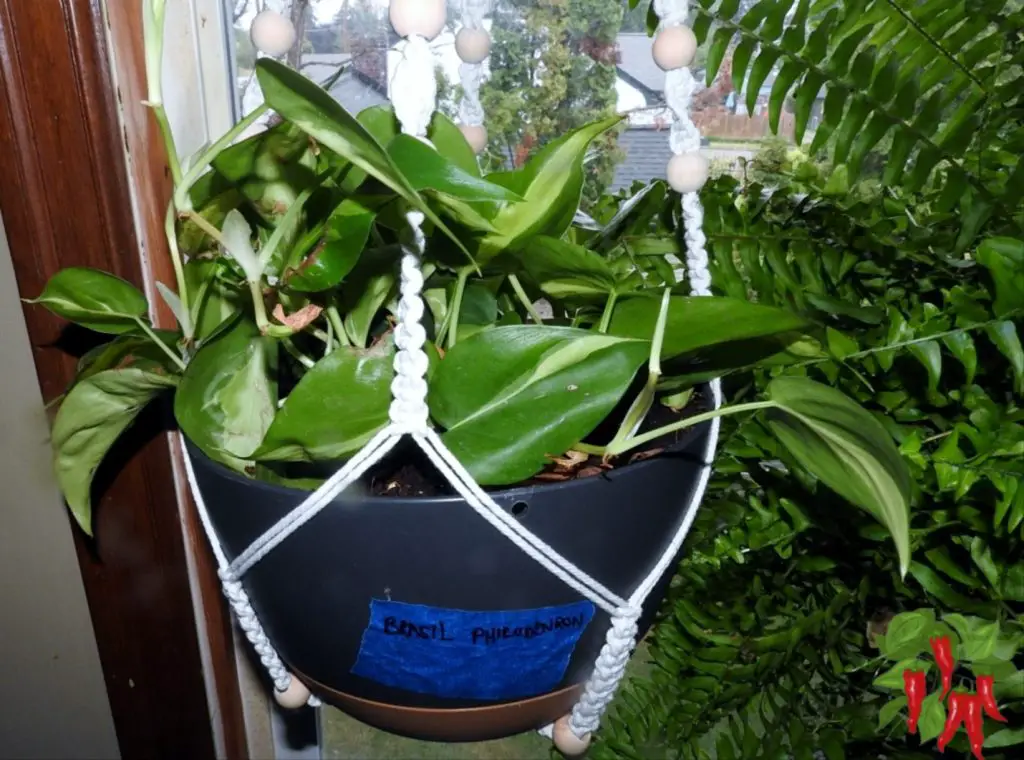
 Brasil Philodenron Heartleaf Hanging Plant, Live Indoor Plant, Easy Care
 Brasil Philodenron Heartleaf Hanging Plant, Live Indoor Plant, Easy Care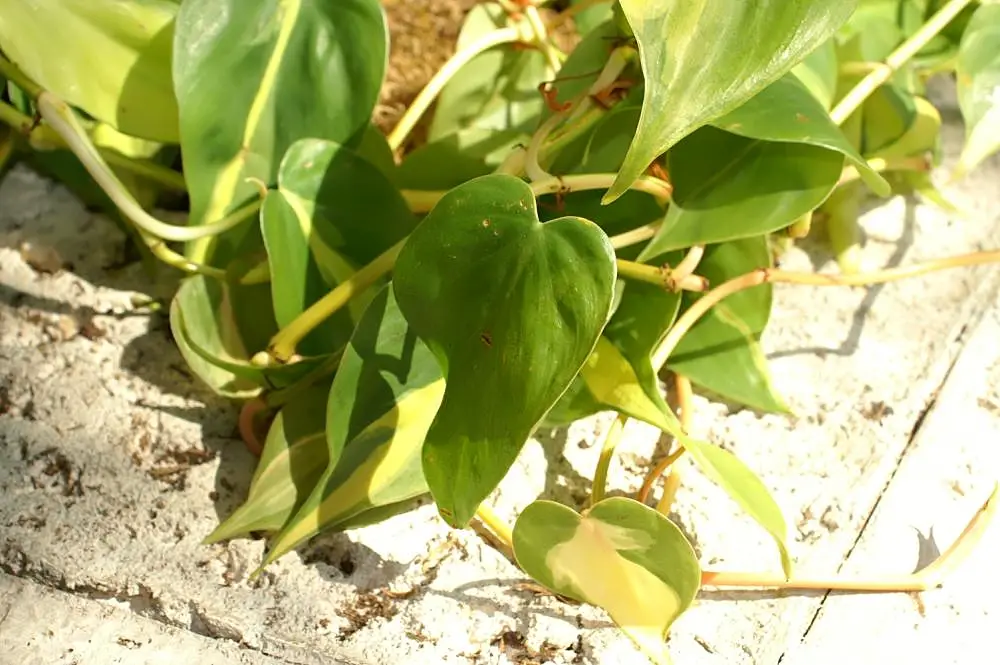
 Brasil Philodenron Heartleaf Hanging Plant, Live Indoor Plant, Easy Care
 Brasil Philodenron Heartleaf Hanging Plant