Red Anthurium plant care might seem tricky, but it’s easier than you think! Ever brought home one of these stunning tropical beauties, only to watch it slowly lose its luster? Don’t worry—with a few simple tips, you’ll have your Anthurium thriving in no time, filling your space with vibrant color and exotic flair.
Red Anthuriums are commonly sold as Flamingo Flowers or Laceleaf plants. Most flowering houseplants sold under these names are cultivars or hybrids associated with Anthurium andraeanum.
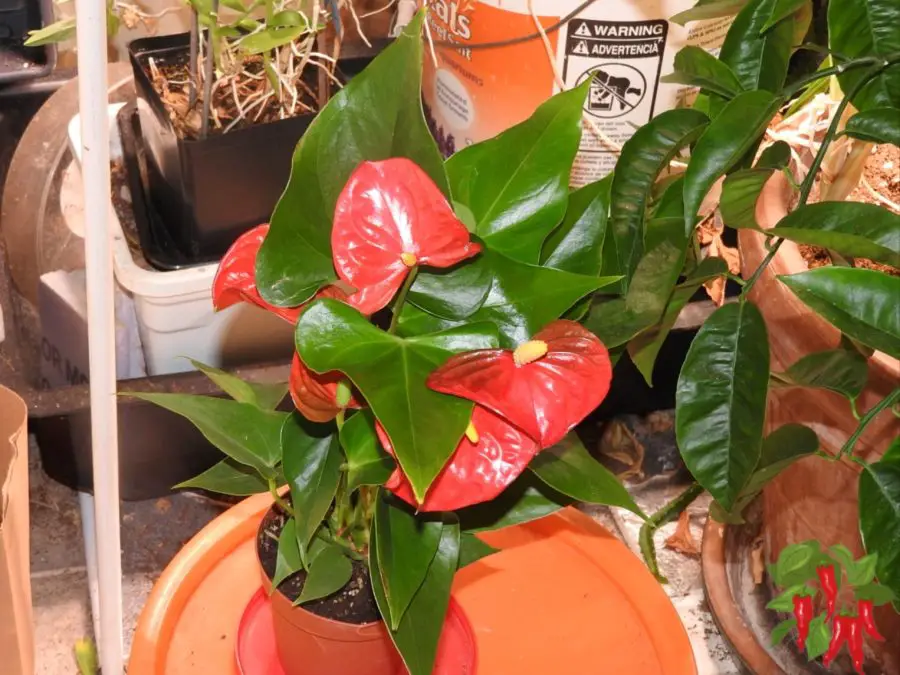
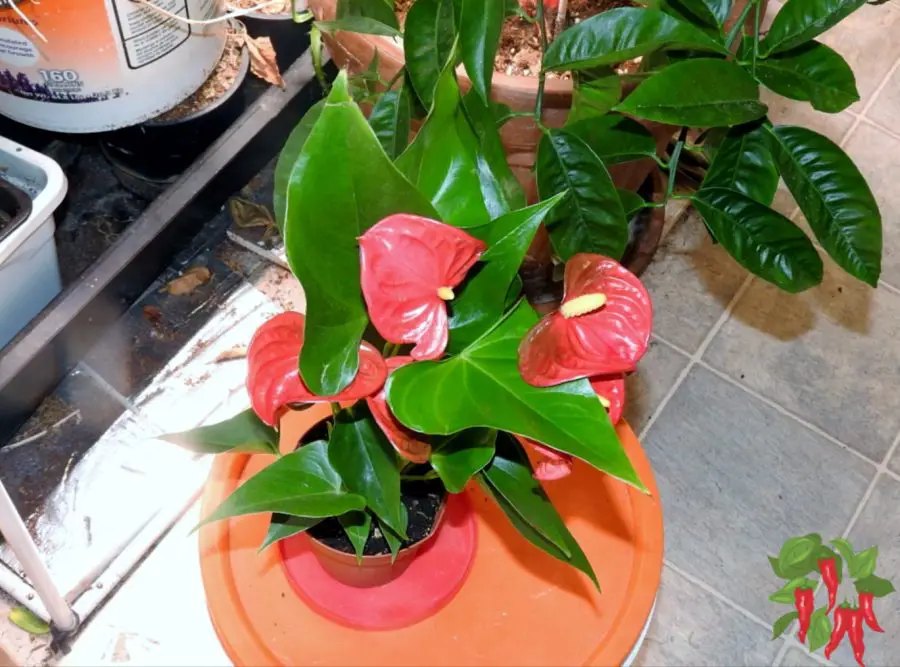
The glossy red part is not the true flower. It is a modified leaf called a spathe. The small true flowers grow along the upright structure in the center, called the spadix.
What You’ll Learn
How much light a Red Anthurium needs
When to water without following a rigid schedule
Which temperature and humidity levels work in a normal home
How to make my coco coir and perlite growing mixture
When to repot and how to select the right container
How to encourage healthy growth and repeat flowering
How to diagnose yellow leaves, brown edges, pests, and root problems
Why Anthuriums should be kept away from pets and small children
Place your Red Anthurium in bright, indirect light and use a pot with drainage holes. Water thoroughly when the upper portion of the growing mixture begins to dry, then let the excess drain completely. Keep the plant in a comfortably warm room away from cold drafts. Use an airy mixture of two parts buffered coco coir and one part perlite, then apply a complete houseplant fertilizer during active growth.
Red Anthurium Plant Care at a Glance
Care Requirement
Red Anthurium Preference
Light
Bright, indirect light with protection from intense afternoon sun
Water
Water when the upper portion of the mixture begins to dry
Growing medium
Airy coco coir, perlite, and orchid-bark mixture
Temperature
Approximately 65–85°F, with stable household temperatures preferred
Humidity
Average to moderately humid indoor conditions with airflow
Fertilizer
Diluted complete houseplant fertilizer during active growth
Repotting
When roots crowd the pot or the mixture begins breaking down
Red Anthurium Plant Care: Your Ultimate Guide to Growing Vibrant Blooms
Red Anthuriums, with their glossy heart-shaped leaves and vibrant scarlet blooms, are a stunning addition to any indoor garden space.
These tropical beauties, also known as Flamingo Flowers or Laceleaf, are prized for their long-lasting flowers and relatively easy care requirements.
In this comprehensive guide, we’ll explore everything you need to know about red Anthurium plant care, from ideal growing conditions to troubleshooting common issues.
Whether you’re a seasoned plant enthusiast or a beginner looking to add a touch of exotic charm to your home, this article will equip you with the knowledge to help your Anthurium thrive and produce those signature eye-catching blooms year after year.
1. How to Take Care of Anthurium Plants Indoors
Anthuriums are well-suited for indoor cultivation, making them popular houseplants. To ensure your red Anthurium thrives in an indoor environment, consider the following care tips:
Ideal Indoor Conditions:
• Light: Bright, indirect light is crucial for Anthuriums. Place them near a north or east-facing window for optimal light exposure without risking leaf burn.
• Humidity: These tropical plants thrive in high humidity environments. Aim for 60-80% humidity by using a humidifier, placing a pebble tray filled with water beneath the pot, or grouping plants together.
• Temperature: Maintain temperatures between 70-90°F (21-32°C) during the day and no lower than 60°F (15°C) at night.
Watering Techniques:
• Water thoroughly when the top 1-2 inches of soil feel dry to the touch.
• Ensure proper drainage to prevent water from pooling around the roots.
• Use room temperature water to avoid shocking the plant.
Best Practices for Potting and Soil Mix:
• Use a well-draining potting mix specifically designed for aroids or create your own by combining equal parts peat moss, pine bark, and perlite.
• Choose a pot with drainage holes to prevent water accumulation.
• Repot every 2-3 years or when the plant outgrows its current container.
2. Red Anthurium Plant Care: Watering
Proper watering is crucial for the health of your red Anthurium. Here’s what you need to know:
How Often to Water:
• Allow the top 50% of the soil to dry out between waterings.
• Typically, this means watering once a week during the growing season and less frequently in winter.
• Adjust watering frequency based on environmental factors like humidity and temperature.
Signs of Overwatering vs. Underwatering:
Overwatering: • Yellowing leaves, especially at the base of the plant • Soft, mushy stems • Mold growth on soil surface
Underwatering: • Drooping or wilting leaves • Dry, crispy leaf edges • Slow growth or lack of new leaves
Ideal Water Quality and pH Levels:
• Use filtered or distilled water if your tap water is high in minerals.
• Anthuriums prefer slightly acidic soil with a pH between 5.5 and 6.5.
• If using tap water, let it sit out overnight to allow chlorine to evaporate.
3. How to Plant Anthurium in Pots
Choosing the Right Pot:
• Select a pot 1-2 inches larger in diameter than the current one when repotting.
• Ensure the pot has adequate drainage holes.
• Terracotta or clay pots are ideal as they allow excess moisture to evaporate.
Soil Composition:
My Preferred Anthurium Growing Mixture
I grow my Red Anthurium in a loose mixture made from only coco coir and perlite. A practical starting blend is:
Two parts buffered coco coir for moisture retention and root support
One part perlite for drainage and air space
This two-to-one ratio gives the roots access to moisture without creating a dense, compacted mixture. I hydrate and prepare the coco coir before mixing in the perlite.
The ratio is a starting point rather than a rigid formula. If the container remains wet for too long, I add more perlite. If it dries unusually fast, I use slightly more coco coir.
Because coco coir and perlite supply very few nutrients, the plant needs a complete fertilizer during active growth.
• Water the plant thoroughly a day before repotting.
• Gently remove the plant from its current pot, being careful not to damage the roots.
• Trim any dead or rotting roots with clean, sharp scissors.
• Place a layer of fresh potting mix in the new pot.
• Position the plant in the center of the new pot and fill in with potting mix.
• Water lightly and place in a shaded area for a few days to recover.
4. Red Anthurium Plant Care Outdoor
While Anthuriums are primarily indoor plants, they can be grown outdoors in tropical or subtropical climates:
Growing Anthuriums Outdoors:
• Plant in a location with filtered sunlight or partial shade.
• Ensure soil is well-draining and rich in organic matter.
• Maintain consistent moisture but avoid waterlogged soil.
Protection from Harsh Elements:
• Shield plants from direct sunlight, especially during the hottest part of the day.
• Protect from strong winds that can damage leaves and dry out the plant.
• Bring plants indoors or provide protection when temperatures drop below 60°F (15°C).
Seasonal Adjustments:
• Increase watering frequency during hot, dry periods.
• Reduce watering in cooler months to prevent root rot.
• Apply a balanced, water-soluble fertilizer monthly during the growing season.
5. Anthurium Plant Problems
Common Issues:
• Root Rot: Caused by overwatering or poor drainage. Symptoms include yellowing leaves and soft, mushy stems.
• Yellowing Leaves: Can indicate overwatering, underwatering, or nutrient deficiencies.
• Pest Infestations: Spider mites, aphids, and mealybugs are common pests.
Solutions for Pests:
• Spider Mites: Increase humidity and spray leaves with water regularly. Use neem oil for severe infestations.
• Aphids: Remove with a strong stream of water or apply insecticidal soap.
• Mealybugs: Dab with alcohol-soaked cotton swabs and treat with neem oil.
Preventive Measures:
• Maintain proper watering habits and avoid overwatering.
• Ensure adequate air circulation around the plant.
• Regularly inspect plants for early signs of pest infestation.
6. Anthurium Care for Brown Leaves
Causes of Brown Leaves:
• Underwatering: Leaves become dry and crispy, especially at the edges.
• Low Humidity: Can cause browning of leaf tips and edges.
• Too Much Direct Sunlight: Causes scorching and browning of leaves.
How to Fix and Prevent:
• Adjust watering schedule to maintain consistent soil moisture.
• Increase humidity by misting leaves, using a pebble tray, or running a humidifier.
• Move the plant to a location with bright, indirect light away from direct sun exposure.
• Trim off severely damaged leaves to encourage new growth.
7. How Long Do Anthurium Plants Live?
Lifespan of an Anthurium:
• With proper care, Anthuriums can live for several years, typically 5-7 years or more.
• Some well-maintained plants have been known to thrive for decades.
Maintaining Long-Term Health:
• Provide consistent care, including proper light, water, and humidity levels.
• Repot every 2-3 years to refresh soil and provide room for growth.
• Prune regularly to remove old or damaged foliage and encourage new growth.
Encouraging Frequent Blooming:
• Ensure the plant receives adequate bright, indirect light.
• Fertilize monthly during the growing season with a phosphorus-rich fertilizer.
• Maintain proper humidity levels to support flower development.
8. Red Anthurium Plant Benefits
Aesthetic Appeal:
• Striking red flowers that can last up to 6-8 weeks.
• Glossy, heart-shaped leaves provide year-round visual interest.
• Versatile plant suitable for various interior design styles.
Air Purification Qualities:
• Anthuriums are known to remove harmful indoor air pollutants like formaldehyde and ammonia.
• They can help improve indoor air quality and create a healthier living environment.
Symbolic Meaning:
• In feng shui, Anthuriums are believed to bring good luck and positive energy.
• The heart-shaped flowers symbolize hospitality, happiness, and abundance.
Limited Medicinal Use:
• Some cultures have traditionally used Anthurium leaves for medicinal purposes, though scientific evidence is limited.
• Note: All parts of the Anthurium plant are toxic if ingested, so caution is advised.
Is Red Anthurium Toxic to Pets?
Yes. Red Anthurium is toxic to dogs and cats if chewed or eaten. The plant contains insoluble calcium oxalate crystals that can irritate the mouth, tongue, lips, and throat.
Possible signs of exposure include:
Burning or irritation around the mouth
Swelling of the lips, tongue, or mouth
Excessive drooling
Vomiting
Difficulty swallowing
Pawing at the mouth
Keep the plant where curious dogs and cats cannot reach the leaves, spathes, stems, or roots. Pick up fallen leaves and trimmed plant material promptly.
If you believe your pet has chewed or eaten part of an Anthurium, contact your veterinarian or an animal poison-control service for guidance. See the ASPCA Flamingo Flower toxicity guide for additional pet-safety information.
Pet Safety: Red Anthurium is not a good choice for a floor-level display when your dog or cat regularly chews houseplants.
Red Anthurium Plant Care FAQs
How often should I water a red anthurium?
Water your red anthurium when the top inch or two of the growing mixture feels dry. Water it thoroughly, let the excess drain, and never leave the container sitting in water. Check the mixture before watering instead of following a fixed schedule.
What is the best growing mixture for a red anthurium?
I prefer a loose mixture of two parts buffered coco coir and one part perlite. The coco coir holds moisture around the roots, while the perlite improves drainage and creates valuable air space. Always use a container with drainage holes.
How much light does a red anthurium need?
Red anthuriums grow best in bright, indirect light. Strong direct sunlight can scorch the leaves, while low light may slow growth and reduce flowering. A spot near a bright window with filtered sunlight usually works well.
Why is my red anthurium not flowering?
Insufficient light is one of the most common reasons an anthurium stops flowering. Other possible causes include overwatering, low nutrient levels, temperature stress, or a recent change in location. Start by checking the light and moisture level before adding more fertilizer.
Why are my red anthurium leaves turning yellow?
Yellow leaves often indicate that the roots are staying wet for too long. Make sure the container drains freely and let the upper portion of the growing mixture begin drying before watering again. One older yellow leaf is usually normal, but several yellowing leaves may point to a watering or drainage problem.
Should I mist my red anthurium?
Misting only raises moisture around the plant briefly, so it is not essential. If your indoor air stays dry, a humidifier is more effective. Maintain reasonable airflow and avoid leaving the foliage constantly wet.
How should I fertilize a red anthurium?
Apply a balanced houseplant fertilizer at a diluted rate during active growth. Follow the directions on the product label and avoid overfertilizing. Excess fertilizer can cause salts to accumulate in the growing mixture and damage the roots.
Should I remove faded anthurium flowers?
Yes. Remove a faded flower by cutting its stem near the base with clean, sharp pruners. This keeps your red anthurium looking tidy and allows it to direct its energy toward new growth and flowers.
Final Thoughts
Red Anthurium plant care comes down to providing bright, indirect light, dependable warmth, proper drainage, and a sensible watering routine. Check the growing mixture instead of watering automatically on the same day every week.
I prefer growing mine in coco coir and perlite because the combination provides the moisture retention and air space I want around the roots. Since those materials supply very few nutrients, I use a complete fertilizer during active growth.
Watch the plant’s new growth for clues. Healthy leaves and new red spathes usually indicate that the light, water, temperature, and nutrition are working together. If something changes, check the growing mixture and roots before adjusting several parts of the care routine at once.
With steady care, your Red Anthurium can remain an attractive part of your indoor apartment garden for years. Keep it away from pets and small children, and enjoy those glossy leaves and long-lasting red spathes.