Jurassic Park Hosta is the plant you need when regular shade plants just don’t cut it. Small hostas get lost, but this giant fills the space fast and turns heads.
If you’re ready to grow something bold and impressive, this one’s got the wow factor built in.
Jurassic Park Hosta is a giant shade perennial known for its broad, deeply corrugated green leaves. Under favorable conditions, a mature clump can grow approximately 48 to 56 inches tall and spread as much as 9 feet wide.
I purchased mine as a young starter plant and planted it in a partly shaded garden bed near my Siberian bugloss. It arrived with healthy roots and plenty of potential, but this is not a hosta for a narrow border. You need to give it room to become the massive specimen plant it was bred to be.
What You’ll Learn
How large Jurassic Park Hosta can become
How it compares with other giant hosta varieties
Where to plant it for healthy foliage and strong growth
How to prepare the planting hole and growing area
How much water, shade, and maintenance it needs
What I learned from purchasing and planting my own hosta
Jurassic Park Hosta is a giant shade perennial that can reach approximately 48 to 56 inches tall and spread as much as 9 feet under favorable conditions. Plant it in partial or dappled shade with rich, well-drained soil and dependable moisture. Allow plenty of permanent growing room because an established clump can overwhelm a small bed or container.
Jurassic Park Hosta at a Glance
Feature
Jurassic Park Hosta
Plant type
Herbaceous shade perennial
Mature height
Approximately 48–56 inches
Mature spread
Up to approximately 9 feet under favorable conditions
Light
Partial shade or dappled shade
Soil
Rich, moisture-retentive, and well-drained
Water
Consistent moisture without waterlogging
Foliage
Large, deeply corrugated green leaves
Flowers
Pale lavender flowers on tall stalks
Best use
Large shade beds, woodland gardens, and specimen planting
Main concern
Requires substantial room and protection from slugs and hot afternoon sun
How Jurassic Park Compares With Other Giant Hostas
Hosta
Approximate Mature Size
Foliage
Best Feature
Jurassic Park
48–56 inches tall; up to 9 feet wide
Large, corrugated green leaves
Massive spread and bold texture
Empress Wu
Approximately 48 inches tall and 6 feet wide
Large, deeply veined blue-green leaves
Exceptional height
T-Rex
Approximately 30–36 inches tall and 6 feet wide
Very large, upright green leaves
Upright architectural shape
Sum and Substance
Approximately 30–36 inches tall and 5–6 feet wide
Chartreuse to gold leaves
Bright foliage color
Big Daddy
Approximately 24 inches tall and 3–4 feet wide
Rounded, puckered blue-green leaves
Compact option among large hostas
Mature sizes are approximate. Climate, soil, moisture, plant age, and growing conditions can all affect the final height and spread.
Jurassic Park Hosta: A Mammoth Garden Must-Have
Jurassic Park Hosta is hands down one of the boldest plants you can grow in the shade. I picked one up recently and did an unboxing to see what I was getting into
It came healthy, packed well, and ready to hit the soil. After planting it in a partly shaded bed near my Siberian bugloss, I could already picture how this leafy giant was going to take over that space in the best way possible.
👀Watch My Jurassic Park Hosta Unboxing Video
What Is Jurassic Park Hosta?
Hostas are some of the most popular shade perennials in North America—and for good reason.
They’re hardy, low-maintenance, and come in a wide variety of sizes, shapes, and colors.
From petite border plants to massive statement pieces, hostas can adapt to just about any shady garden spot.
Most hostas range from 12 to 36 inches in height, but if you’re after something truly jaw-dropping, there’s one variety that towers above the rest: the Jurassic Park hosta.
True to its name, Jurassic Park is one of the largest hostas you can grow. This beast of a plant can reach 40 to 56 inches tall and stretch out to an impressive 9 feet wide under ideal conditions.
Give it some time without disturbance, and it will fill out into a giant clump that commands attention.
The foliage is where Jurassic Park really shines. Each leaf can grow up to 16 inches long and 14 inches across, with deep corrugation that adds bold texture to any garden bed.
The leaves are rich green, thick, and substantial, giving an established plant the bold texture expected from a giant hosta.
Jurassic Park thrives in soil that’s rich in organic matter but drains well. It prefers a mix of morning sunlight and dappled afternoon shade.
That combination helps the foliage stay vibrant while protecting it from the stress of hot sun.
With the right care, this hosta grows quickly and fills in beautifully, making it a favorite for gardeners who want a big impact with just one or two plants.
If you’ve got the space—and the shade—Jurassic Park is a showstopper worth planting.
What Makes the Jurassic Park Hosta Special
Colossal size: up to 48-56″ tall and 108″ wide (9 feet)
Deep green, puckered leaves with heavy substance
Pale lavender flowers that attract hummingbirds
Dramatic presence in shade gardens
Why I Chose This Hosta
Wanted a single large plant to anchor a shady front yard bed
Compared to others, this one was even bigger than ‘T-Rex’
Chosen from a trusted grower with a long history
Purchased as a plug—healthy roots, well-packed
Ready to go big with Jurassic Park Hosta in your garden?
If you’ve got the space and the shade, the Jurassic Park Hosta is a stunning choice. I ordered mine from Amazon, and it arrived healthy and ready to plant. Want to grab your own?
If you love the bold look of Jurassic Park, you’re not alone. Oversized hostas are a favorite among shade gardeners who want to make a statement with minimal effort.
These giants fill space fast, add rich texture, and stand out like living sculptures in the garden. Here are a few other mammoth hosta varieties worth checking out:
Empress Wu Height: Up to 48 inches Spread: Up to 72 inches Known as the queen of giant hostas, with towering, upright growth and massive blue-green leaves.
Jurassic Park Height: 40 inches Spread: 72 inches (can reach 100 inches under ideal conditions) Enormous green, heavily textured leaves with pale lavender flowers in late summer.
Whether you want a bold centerpiece or a full border of giant leaves, these varieties are perfect for filling space in style. Just make sure you give them plenty of room to grow—and maybe a little extra mulch to keep them happy.
Jurassic Park Hosta is not difficult to grow, but it needs more planning than a small border hosta. Its eventual spread, moisture needs, and exposure to afternoon sun should all be considered before planting.
I planted mine in a compost-enriched garden bed with filtered light. The location is mostly shaded, with enough open space for the plant to develop into a substantial clump.
Choose a Permanent Growing Location
Select a location with partial shade, dappled light, or gentle morning sun. Protect the leaves from prolonged hot afternoon sunlight, especially in warmer climates.
Allow as much as 9 feet of eventual width if you want the plant to reach its full potential. Avoid placing it beside a walkway, narrow border, foundation, or delicate plant that could eventually be covered by its foliage.
Jurassic Park works best as a specimen plant, at the back of a large shade border, or as a backdrop for smaller perennials. In my garden, I placed it behind Siberian bugloss, where its mature green leaves should create a strong background for the smaller plant.
Prepare the Soil
Hostas appreciate fertile soil that retains moisture while still allowing excess water to drain. Before planting mine, I added compost to the bed in the fall. That gave the organic matter time to begin blending into the existing soil.
Loosen a wide planting area rather than digging a narrow hole surrounded by compacted soil. Mix compost into the existing soil where appropriate, but avoid creating a soft pocket that collects water.
If water remains in the planting hole after heavy rain, improve the drainage or choose another location. Jurassic Park appreciates consistent moisture, but its crown should not sit in waterlogged soil.
How to Plant Jurassic Park Hosta
Water the hosta before removing it from its nursery pot.
Dig a hole slightly wider than the root system and approximately as deep as the root ball.
Gently loosen tightly circling roots without tearing healthy roots unnecessarily.
Set the plant so the crown remains at approximately the same level it occupied in its container.
Spread the roots outward and backfill with the prepared soil.
Press the soil gently to remove large air pockets without compacting it heavily.
Water the entire root area thoroughly.
Add a light layer of mulch while keeping it away from direct contact with the crown.
Planting Tip: Do not bury the hosta crown deeply. Planting too low can hold excess moisture around the crown and contribute to rot.
Water Consistently During Establishment
Keep the soil consistently moist during the hosta’s first growing season. Check it regularly during dry weather, especially if the plant is competing with nearby trees or shrubs for moisture.
Water deeply around the root area rather than applying a small amount to the surface. Morning watering gives the foliage and soil surface time to dry before night.
An established Jurassic Park Hosta still performs best with dependable moisture. Large leaves lose considerable water during hot weather and may develop dry edges when the soil becomes excessively dry.
Mulch Without Creating a Slug Shelter
A light layer of mulch helps regulate soil temperature and reduce moisture loss. Keep mulch several inches away from the crown and avoid creating a thick, constantly damp layer beneath the leaves.
Slugs hide in cool, moist places during the day. Excess mulch, boards, weeds, and decaying plant material can give them additional shelter.
Feed Without Overfertilizing
Compost and healthy garden soil may supply much of what an established hosta needs. If growth is weak or the soil is low in nutrients, apply an appropriate slow-release fertilizer according to the product label.
Avoid excessive nitrogen. Too much fertilizer may encourage soft growth and does not compensate for poor drainage, insufficient water, or too much sunlight.
Protect the Leaves From Slugs
Begin checking for slugs when new hosta shoots emerge in spring. Irregular holes, ragged leaf edges, and shiny slime trails are common signs of feeding.
Remove boards, weeds, and decaying material that provide daytime hiding places.
Water early in the day rather than keeping the surface wet overnight.
Inspect beneath leaves and around the crown during damp weather.
Handpick slugs when practical.
If you use a slug-control product, choose one suitable for the location and follow its label exactly.
A few holes are mainly a cosmetic issue on an established hosta. Young plants need closer attention because they have fewer leaves and less stored energy.
Seasonal Maintenance
Remove yellow, badly damaged, or diseased leaves as needed. Flower stalks can be removed after blooming if you prefer a tidier appearance.
After frost causes the foliage to collapse, remove the dead leaves from the garden. Fall cleanup reduces the amount of decaying material available to shelter pests near the crown.
Jurassic Park Hosta dies back to the ground during winter and returns from its crown in spring. Mark the location so you do not accidentally dig into the dormant plant.
My Experience Planting Jurassic Park Hosta
I ordered my Jurassic Park Hosta online as a young starter plant. It arrived healthy, securely packed, and ready to plant. You can see exactly what arrived in my unboxing video earlier in this guide.
I wanted one large plant to anchor a mostly shaded bed rather than filling the entire space with several small hostas. Jurassic Park stood out because its expected mature spread was even larger than several other giant varieties I considered.
I planted it behind my Siberian bugloss in soil that had been amended with compost the previous fall. The bed receives filtered light and protection from hot afternoon sun.
There may still be older hosta roots in the surrounding bed. I will watch for returning shoots and remove or relocate them if they begin competing with Jurassic Park. Giving this hosta enough permanent room is more important than packing several plants into the same area.
My Takeaway: The young plant does not look enormous when it arrives. You have to plan for the hosta it can become after several years, not just the size of the starter plant in your hand.
Is Jurassic Park Hosta Toxic to Pets?
Yes. Like other hostas, Jurassic Park Hosta is toxic to dogs and cats if eaten. Hostas contain saponins, which can cause digestive problems.
Possible signs include vomiting, diarrhea, and depression or unusual lethargy. Keep the plant away from pets that chew garden foliage, especially while the tender shoots are emerging in spring.
If you believe your pet has eaten part of a hosta, contact your veterinarian or an animal poison-control service for guidance.
Pet Safety: Do not rely on the plant’s bitter taste to discourage chewing. Use fencing, strategic placement, or another physical barrier if your dog or cat regularly investigates garden plants.
Jurassic Park Hosta FAQs
How large does Jurassic Park Hosta get?
A mature Jurassic Park Hosta can grow approximately 48 to 56 inches tall and spread as much as 9 feet under favorable conditions. Climate, soil, moisture, plant age, and competition from surrounding plants can affect its final size.
How long does Jurassic Park Hosta take to reach full size?
Expect it to take several growing seasons to form a substantial clump. Reaching its maximum potential may take considerably longer. Consistent moisture, fertile soil, and leaving the plant undisturbed support steady development.
Can Jurassic Park Hosta grow in full sun?
Partial shade, dappled shade, or morning sun followed by afternoon protection is safer. Prolonged hot afternoon sun can fade or scorch the large leaves, especially when the soil becomes dry.
Can Jurassic Park Hosta grow in deep shade?
It can tolerate substantial shade, but extremely dark conditions may produce slower or less vigorous growth. Bright filtered light or a few hours of gentle morning sun provides a useful balance.
What soil is best for Jurassic Park Hosta?
Use fertile, organically enriched soil that holds dependable moisture but drains well. Compost can improve soil structure and moisture retention where appropriate. Avoid locations that remain waterlogged after rain.
How often should I water it?
Water according to soil moisture and weather rather than following a rigid schedule. Keep a newly planted hosta consistently moist while it establishes. Mature plants may need supplemental water during hot or dry periods.
Can Jurassic Park Hosta grow in a container?
It can be grown temporarily in a large container, but its eventual size makes an open garden bed more practical. A container would need substantial width, dependable drainage, frequent moisture checks, and winter protection appropriate for your climate.
When is the best time to plant it?
Spring and early fall are generally good planting times. Avoid planting immediately before extreme heat, drought, or deeply freezing weather. The roots need time to begin establishing before stressful conditions arrive.
How do I stop slugs from eating the leaves?
Remove damp hiding places, inspect the plant regularly, water early in the day, and handpick slugs when possible. If damage remains severe, use a slug-control product appropriate for your garden and follow the label directions.
Will deer eat Jurassic Park Hosta?
Yes. Deer commonly browse hostas, especially their tender spring growth. Fencing or another locally appropriate deer-management method may be necessary where deer pressure is high.
Does Jurassic Park Hosta produce flowers?
Yes. It produces pale lavender flowers on stalks that rise above the foliage. The exact flowering period varies with climate and seasonal conditions.
Should Jurassic Park Hosta be divided?
Division is not required for routine health. Leaving the plant undisturbed allows it to form the large clump that makes this cultivar special. Divide it only when you need another plant, want to reduce its size, or must relocate it.
Final Thoughts
Jurassic Park Hosta is a good choice when you want one substantial plant to anchor a large shaded bed. Its deeply corrugated green leaves create the kind of bold, almost tropical appearance that smaller hostas cannot provide on their own.
The most important decision is where you plant it. Give it filtered light, rich soil, dependable moisture, and enough permanent space to develop without crowding nearby plants.
Mine arrived as a healthy young plant and settled into the compost-enriched bed without trouble. Now comes the interesting part—watching it grow from a modest starter plant into the giant shade-garden anchor I planned for that space.
If you have the shade and enough room, Jurassic Park Hosta can make a dramatic addition to your garden. Just remember to plan for its mature size from the beginning. Keep it green and happy gardening!
I ordered mine online, and it arrived healthy and ready to plant. If you have the space and shade for a mature plant, you can check its current availability below.



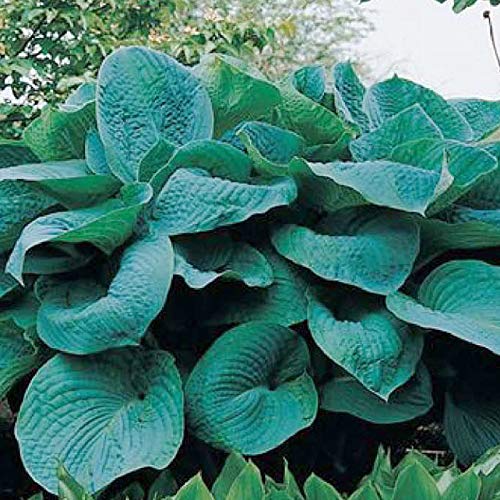 Big Daddy Large Hosta Root Starter Plant