Red Fittonia nerve plant care centers on consistent moisture, bright indirect light, and higher humidity. This compact tropical plant is known for its green leaves and colorful red veins, making it an attractive choice for shelves, small pots, hanging planters, and terrariums.
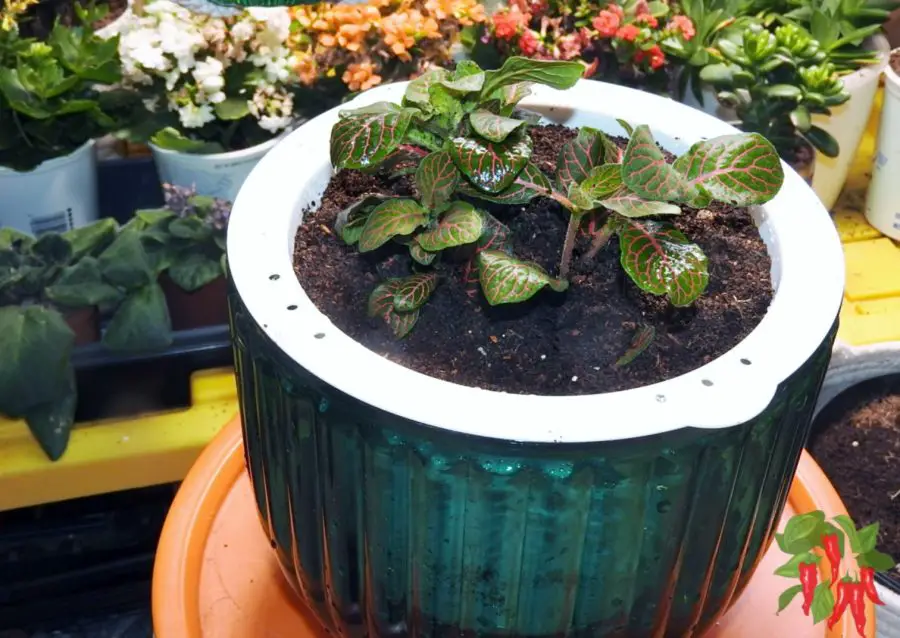
My Red Fittonia grows in an 8.3-inch self-watering planter filled with a loose mixture of buffered coco coir and perlite. That combination helps maintain the moisture Fittonia prefers while still providing air space around the roots.
Fittonia has a reputation for dramatically wilting when it becomes dry. It often recovers after watering, but repeated severe wilting can stress the plant. These seven easy care tips will help you provide steadier conditions and keep its colorful foliage growing well.
What You’ll Learn
How much indirect light Red Fittonia needs
How to maintain moisture without waterlogging the roots
Why I use buffered coco coir and perlite
How a self-watering planter can support consistent moisture
Grow Red Fittonia in bright, indirect light and keep its growing mixture evenly moist without leaving the roots waterlogged. I use buffered coco coir and perlite in a self-watering planter to help provide consistent moisture and drainage. Keep the plant warm, protect it from cold drafts and direct sunlight, and provide higher humidity when indoor air becomes dry.
Approximately 3–6 inches tall and 12–18 inches wide
Pet safety
Listed as non-toxic to cats and dogs
👀 Watch How I Care for My Red Fittonia
In this video, I show my Red Fittonia growing in a Melphoe 8.3-inch self-watering planter. I explain how the planter works with my buffered coco coir and perlite mixture, along with the light, moisture, and humidity conditions I use to keep the plant growing well indoors.
⭐ Ready to Grow a Red Fittonia?
Red Fittonia stays compact and brings plenty of color to a shelf, desk, terrarium, or hanging display. Its moisture requirements make it a particularly good candidate for a properly managed self-watering planter.
How To Care For Red Fittonia Nerve Plant: Get Amazing Results
🌿 Introduction: Meet the Red Fittonia
Learn How To Care For Red Fittonia Nerve Plant. It isn’t tricky, but it does take a little know-how. If your plant keeps wilting or throwing a fit, you’re not alone—it’s just sensitive to changes.
Once you learn what it loves, caring for this bold beauty becomes second nature.
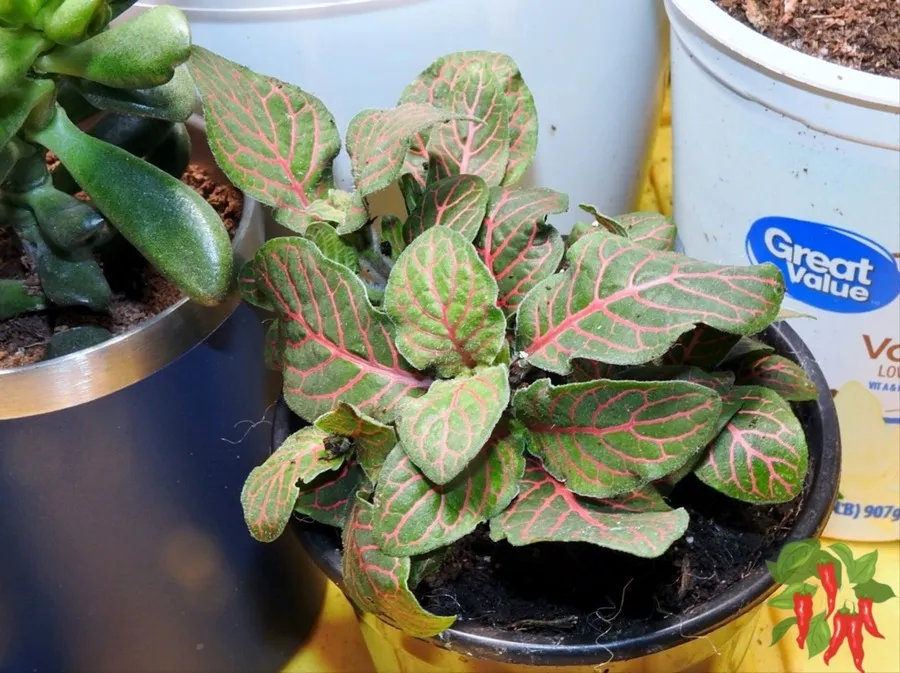
The Red Fittonia—also known as the red nerve plant or mosaic plant—is a bold little houseplant with big personality. Its deep green leaves are crisscrossed with fiery red veins, making it look like a living work of art.
🌟 Why It’s So Popular
This plant doesn’t just sit there—it shows off. Here’s why plant lovers adore it:
🪴 Compact size – Perfect for desks, shelves, or small apartments
🌈 Colorful foliage – The red veins pop against lush green leaves
🌫️ Loves humidity – Ideal for terrariums, bathrooms, or any steamy setup
🧘 Soothing to care for – It wilts when it’s thirsty, then springs back to life—a dramatic but forgiving plant
🌟 Ready to Grow Your Own Red Fittonia?
Add a splash of color and life to your home with this vibrant, humidity-loving plant. Whether you’re building a terrarium, adding a hanging basket, or brightening up a shelf, the Red Fittonia is the perfect pick.
🌿 Botanical Background
Let’s get to know your Red Fittonia a little better. Understanding where it comes from and how it grows in nature can really help you create the right indoor setup.
Fittonia (or nerve plant or mosaic plant) is a genus of evergreen perennial flowering plants in the acanthus (‘bear’s britches’) family, Acanthaceae. The genus is native to tropical and subtropical forested areas in northern and western South America, mainly Perú.
The most commonly cultivated species is F. albivenis and its range of cultivars. They are low-lying, forest floor plants, typically only growing between 10–15 cm (4–6 in) tall, without the 5-10 cm (1-4 in) tall flower stalks.
The main feature of the species is its lush, green foliage, streaked with veins of white to deep pink, depending on cultivar; this veining earns the plant its common name of ‘Nerve-Plant’, as the “network” of vessels appears to resemble the layout of a nervous system. The plants also possess a short fuzz on their stems, like other acanthus family genera. Small buds may appear after a time where the stem splits into leaves. https://en.wikipedia.org/wiki/Fittonia
📚 Scientific Classification
Genus:Fittonia
Species:albivenis
Family: Acanthaceae
🌎 Where It Grows Naturally
Native to the tropical rainforests of Peru, Colombia, and Brazil
Found creeping across the shaded rainforest floor, where the air is warm and humid
Lives in low light with plenty of moisture—perfect for terrariums and indoor humidity-loving setups
🌱 Two Main Cultivar Groups
Fittonia plants are grouped by the color of their striking veins:
Fittonia Argyroneura Group – Veins are white or silvery
Fittonia Verschaffeltii Group – Veins range from soft pink to deep red (this is where your red nerve plant fits in!)
If you want to get fancy with the name, the pronunciation is: Fittonia verschaffeltii(fit-TOH-neeuh ver-shaf-FELT-ee-eye)
This unique plant has tropical roots and a dramatic flair—but with the right care, it settles in beautifully to modern indoor spaces.
🌿 Fittonia Care Basics
Fittonia might look exotic, but it’s surprisingly easy to care for once you understand its needs.
Known for its colorful, veined leaves and love of humidity, this plant thrives when you give it the right mix of light, moisture, and warmth.
Whether it’s in a pot or a terrarium, Fittonia brings vibrant energy to your indoor space.
☀️ Light and Temperature Requirements
Fittonia loves a cozy, filtered light setup—think dappled sunshine, like what it gets on the rainforest floor. It’s not a sunbather, but it still needs light to show off those bold veins.
💡 Light Tips
Bright, indirect light is best for healthy growth
It can tolerate low light, but expect slower growth and less vibrant color
Avoid direct sun—those delicate leaves can burn easily
🌡️ Temperature Sweet Spot
Keep it comfy between 60°F and 85°F
No frost, no cold drafts—this plant likes warmth year-round
Great for indoor conditions, just don’t place it too close to an AC vent or a chilly window
Fittonia thrives when the environment feels warm and stable—just like its tropical home.
💧 Humidity and Moisture Needs
Fittonia is a humidity lover through and through. If the air’s too dry, it’ll let you know with dramatic wilting—but don’t worry, it’s just being a diva. With the right moisture and humidity, it’ll thrive and stay lush.
🌫️ Humidity Tips
Aim for 50% humidity or higher
Loves terrariums, bathrooms, or any room with a humidifier
Grouping it with other plants can also help boost moisture in the air
🌱 Watering Needs
Keep the soil consistently moist, but not soggy
Let the top inch dry slightly between waterings
If it wilts, give it a drink—it often bounces back within hours
Just think of it like a rainforest plant in disguise—it’ll reward you with vibrant, healthy growth when it feels right at home.
🪴 Why Self-Watering Planters Are Ideal for Fittonia
If you’re tired of guessing when to water—or dealing with the dramatic wilt—self-watering planters can be a game-changer for Fittonia care. These pots help keep the moisture level just right without drowning the roots.
🌟 Benefits of Self-Watering Pots for Fittonia
Consistent moisture – Keeps soil evenly moist without the risk of sogginess
Prevents wilting – Reduces the chance of dry spells that cause sudden drooping
Less stress – Great if you’re busy or tend to forget watering
Healthier roots – Water is absorbed from below, encouraging strong root growth
This setup mimics the plant’s natural environment and takes the pressure off daily watering. It’s one of the easiest ways to keep your Red Fittonia looking its best with less fuss.
💧 Keep Your Fittonia Happy with the Melphoe 8.3″ Self-Watering Planter
Fittonia needs a soil mix that holds moisture but still drains well—kind of like a sponge that doesn’t stay soggy. The right potting mix helps prevent root rot and supports steady, healthy growth.
🌱 Best Soil Mix for Fittonia
Use a rich, well-draining mix
Ideal blend: coco coir and perlite. I use 25 to 30% perlite
Aim for a slightly acidic to neutral pH (around 6.0–7.0)
Always use pots with drainage holes to avoid standing water
🌍 Why Coco Coir Is a Better Choice Than Peat
Sustainable – Coco coir is made from coconut husks, a renewable resource
Improved drainage – It’s fluffy and fibrous, so it allows air to reach the roots
Better rehydration – Coco coir re-wets more easily than peat when it dries out
Long-lasting – It holds up longer in pots without breaking down as quickly
Coco coir gives your Fittonia a soft, breathable base that doesn’t compact just like the forest floor it calls home.
💦 Watering and Fertilizing
Fittonia can be a bit dramatic about water—but once you learn its rhythm, it’s smooth sailing.
The key is keeping the soil moist without overdoing it, and giving it just a little boost during the growing season.
That’s why Fittonia is a great candidate for a self-watering planter.
💧 Watering Tips
Water when the top inch of soil feels dry to the touch
Make sure the pot drains well—never let it sit in standing water
If it wilts, don’t panic! A drink of water usually perks it right back up within hours
🌿 Fertilizing Schedule
Feed once a month in spring and summer with a diluted liquid fertilizer
Use a balanced, all-purpose houseplant formula at half strength
No need to fertilize during fall and winter when the plant naturally slows down
Keeping your Red Fittonia on a simple routine keeps it looking bold, bright, and ready to grow.
✂️ Pruning and Maintenance
Fittonia isn’t high-maintenance, but a little grooming goes a long way. With regular pinching and the occasional trim, you can keep your plant full, fresh, and looking its best.
🌱 Easy Pruning Tips
Pinch back stems regularly to encourage bushy, compact growth
Trim off leggy or faded leaves to keep the plant tidy and healthy
If your Fittonia starts to flower, snip off the blooms—they’re not showy, and removing them helps the plant focus on lush foliage
🪴 When to Repot
Every 1–2 years, or when roots are peeking out of the drainage holes
Choose a pot that’s one size up with fresh, breathable soil
Repotting gives the roots room to grow and keeps the plant from getting stressed
A little upkeep keeps your Red Fittonia thriving and vibrant, all year long.
🚨 Common Problems and Fixes
Even with great care, your Fittonia might throw a little fit now and then. Luckily, most issues are easy to spot—and fix—once you know what to look for.
🥀 Drooping or Wilting
This is your Fittonia’s dramatic way of saying it’s too dry or the air’s too dry
Solution: Water it and bump up the humidity—it should perk back up within hours
🍂 Leaf Curl or Browning Edges
Usually caused by too much direct sun or not enough moisture
Move it to indirect light and check the humidity and soil moisture
💛 Yellowing Leaves
Often a sign of overwatering or poor drainage
Let the soil dry out slightly and make sure your pot has good drainage
🐛 Pests to Watch For
Keep an eye out for aphids, mealybugs, or spider mites
If you spot any, rinse the leaves and treat with insecticidal soap or neem oil
With quick action and a little care, your Red Fittonia will bounce back in no time.
Red Fittonia Nerve Plant Plant Care Reference Guide
Characteristic
Details
Common Name
Red Fittonia, Red Nerve Plant, Mosaic Plant
Botanical Name
Fittonia albivenis (Verschaffeltii Group)
Native Habitat
Tropical rainforests of Peru, Colombia, and Brazil
Plant Type
Evergreen herbaceous perennial
Growth Pattern
Low-growing, spreading, bushy
Mature Size
3–6 inches tall, 12–18 inches wide
Watering
Keep soil evenly moist; do not let dry out completely
Light/Sun Exposure
Bright, indirect light; tolerates low light
Soil Type
Well-draining mix with coco coir, perlite, and bark
Soil pH
Slightly acidic to neutral (6.0–7.0)
Temperature
60°F–85°F; avoid cold drafts
Humidity
Prefers 50% or higher; ideal for terrariums
Bloom Time & Flower Color
Occasional small white or pink spikes; often removed
Red Fittonia isn’t just pretty—it’s super versatile when it comes to styling your space. Whether you’re going for a bold pop of color or a cozy jungle vibe, this plant fits right in.
🏡 Creative Ways to Show It Off
Terrariums – Fittonia loves humidity and looks stunning behind glass
Small pots – Perfect for desks, windowsills, or side tables
Larger arrangements – Use it as a colorful underplant beneath taller greenery
🌿 Styling Tips
Pair it with other humidity-loving plants like ferns or Calatheas
Add to bathrooms or kitchens, where steam keeps moisture levels high
Use it to brighten up shelves or low-light corners that need a little life
Its vibrant red veins bring energy and warmth to any room—no green thumb required.
🌟 Ready to Grow Your Own Red Fittonia Nerve Plant?
Add a splash of color and life to your home with this vibrant, humidity-loving plant. Whether you’re building a terrarium, adding a hanging basket, or brightening up a shelf, the Red Fittonia is the perfect pick.
Red Fittonia is listed by the ASPCA as non-toxic to cats and dogs. This makes it a good option for homes where choosing pet-friendly houseplants is important.
Non-toxic does not mean that pets should be encouraged to chew the plant. Eating leaves or other plant material may still cause temporary stomach upset. Keep the plant away from a pet that regularly digs in pots or chews foliage, and contact your veterinarian if you notice concerning symptoms.
Red Fittonia can wilt quickly when its growing mixture becomes too dry. Water thoroughly and watch for recovery over the next several hours. Although Fittonia often recovers, allowing it to wilt severely and repeatedly can stress the plant and lead to damaged leaves.
Wilting is not always caused by dryness. Check the growing mixture first because damaged roots in an overly wet pot can also leave the plant unable to take up enough water.
How much light does Red Fittonia need?
Bright, indirect light supports compact growth and colorful foliage. Red Fittonia can tolerate lower light, but it may grow more slowly or become stretched. Protect the leaves from strong direct sunlight, which can cause scorching and faded patches.
How often should I water Red Fittonia?
Check the growing mixture regularly and water before it dries completely. Keep it evenly moist without leaving the roots waterlogged. The actual watering frequency depends on the container, growing mixture, temperature, humidity, plant size, and season.
If you use a self-watering planter, monitor both the reservoir and the moisture level around the roots. A reservoir can provide more consistent moisture, but it does not eliminate the need to check the plant.
What growing mixture is best for Red Fittonia?
I use a loose mixture of buffered coco coir and perlite. The coco coir retains the consistent moisture Fittonia prefers, while the perlite creates drainage and air space around the roots.
Use the mixture in a container with suitable drainage or in a properly managed self-watering planter. Fittonia likes moisture, but its roots can still decline when the growing mixture remains waterlogged.
What is the best way to increase humidity around Fittonia?
A room humidifier is the most dependable way to raise and maintain indoor humidity. Red Fittonia also grows well in a suitable terrarium where humidity remains more consistent. Grouping plants may create a small localized increase, but it will not replace a humidifier when the room is particularly dry.
Can I grow Red Fittonia in a bathroom?
A bathroom can work well when it has enough natural light or a suitable grow light. The higher humidity may benefit Fittonia, but humidity cannot compensate for an area that is too dark. Avoid placing the plant where it will be repeatedly splashed or exposed to cold drafts.
How should I fertilize Red Fittonia?
Apply a balanced houseplant fertilizer at a diluted rate during active growth. Follow the product label and avoid applying more fertilizer than recommended. Reduce feeding when growth slows, and occasionally flush the growing mixture if fertilizer salts begin to accumulate.
Why are my Fittonia leaves turning yellow?
Yellow leaves commonly appear when the growing mixture remains too wet or drainage is poor. Check the roots, drainage, and moisture level before watering again. Yellowing can also follow temperature stress, insufficient light, or the natural aging of an older leaf.
When should I repot Red Fittonia?
Repot when roots crowd the container, emerge from the drainage holes, or leave very little growing mixture in the pot. Move the plant into a container only one size larger and use fresh buffered coco coir and perlite. An oversized pot may retain more moisture than the roots can use.
Red Fittonia Nerve Plant: Final Thoughts
Red Fittonia nerve plant care becomes easier once you provide steady moisture, bright indirect light, warmth, and reasonable humidity. The plant may be dramatic when it becomes dry, but consistent care can prevent most of those sudden collapses.
My self-watering planter and buffered coco coir and perlite mixture help me maintain the moisture this plant prefers. I still check the growing mixture and reservoir rather than assuming the planter will manage everything automatically.
Fittonia’s compact growth makes it useful in apartments and other limited spaces. You can grow it on a shelf, in a terrarium, in a small container, or where its red-veined foliage provides contrast beside larger green plants.
Pay attention to the plant’s responses and adjust one condition at a time. Once you find the right balance, Red Fittonia can provide colorful growth without taking up much room.
These authoritative resources provide additional information about Red Fittonia identification, growing conditions, mature size, common problems, and pet safety: