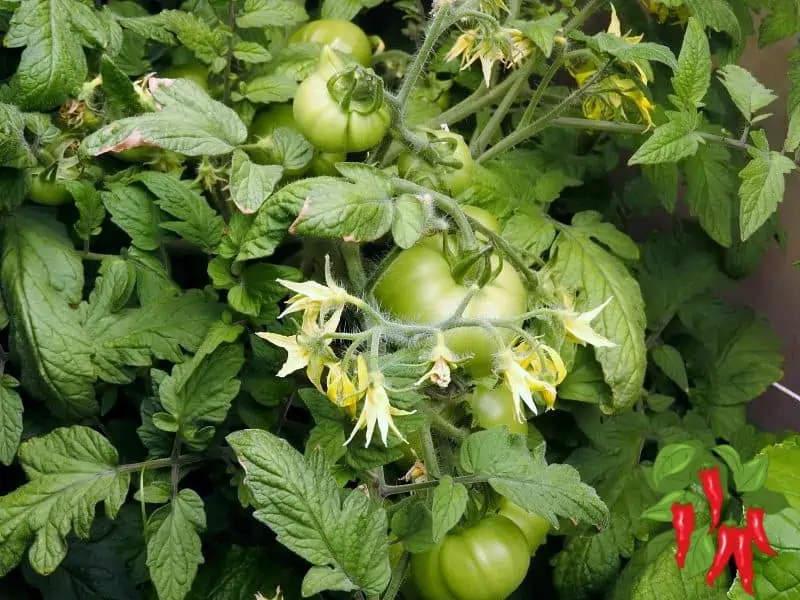
To get rid of aphids on squash plants, begin by spraying small colonies off the leaves with water. Remove badly infested leaves when practical and check for ants protecting the aphids. If they return, use a commercial insecticidal soap or another product whose label specifically permits use on squash and lists aphids as a target pest. Coat the leaf undersides, test a small area first, avoid hot sunlight and open flowers, and follow all harvest and pollinator precautions on the label.
Aphid Treatments at a Glance
Treatment
Best Use
Main Advantage
Important Caution
Water spray
Small or newly discovered colonies
No pesticide residue
Use gentle pressure that will not damage squash leaves
Remove infested leaves
Aphids concentrated on a few leaves
Immediately removes many aphids
Do not remove so much foliage that the plant is weakened
Encourage beneficial insects
Ongoing garden management
Supports natural aphid control
Broad-spectrum sprays can kill beneficial insects too
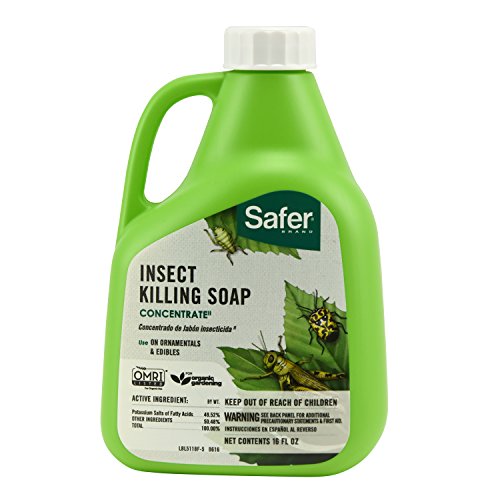
Commercial insecticidal soap
Persistent aphids requiring direct contact treatment
Targets soft-bodied insects on contact
Use only a product labeled for the plant and pest; test a leaf first
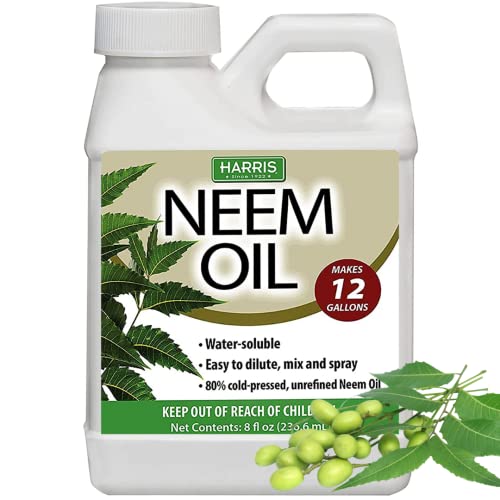
Labeled neem product
Aphids that continue after physical controls
Provides another treatment option when the label permits it
Avoid open flowers, pollinators, and hot sunlight; follow the label
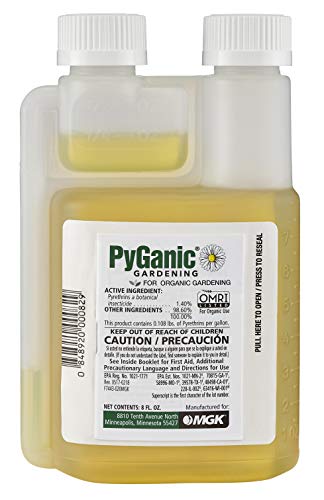
Pyrethrin product
Severe infestations when other methods are insufficient
Fast-acting contact control
Broad-spectrum treatment that can harm bees and beneficial insects
Product Safety: Use only pesticide products whose current labels list the crop, target pest, and intended application method. Follow the label’s protective-equipment, reentry, pollinator, and preharvest instructions. Do not substitute homemade dish-soap mixtures for a labeled insecticidal soap.
Howdy everyone! As you can see, we’re continuing our series on how to grow acorn squash from seed to harvest.
And the focus of this episode is going to be how to get rid of aphids. Let’s dive right in!
Video Update: This video shows the treatment I used on my squash plants at the time, including Merit systemic insecticide. I have removed that product from my current recommendations because pesticide labels and permitted uses can change. Always follow the current label on the exact product you purchase, and use only a treatment that specifically lists squash or cucurbits and aphids.
How to Identify Aphids on Squash Plants
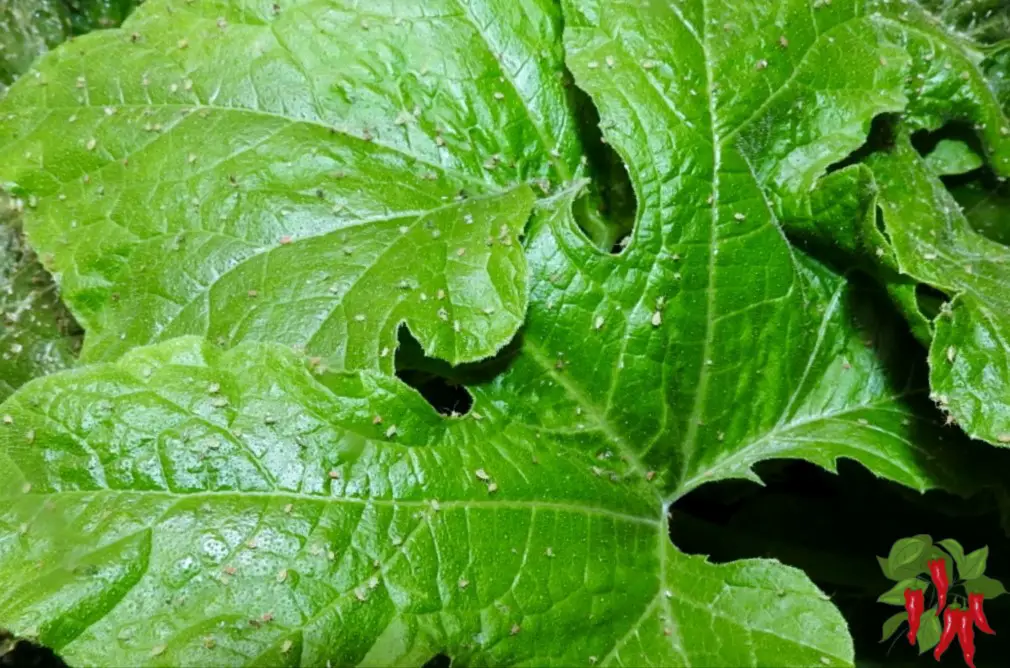
Today, we’re looking at a little insect that can cause a big fuss in the garden. Aphids are small, soft-bodied insects that gather on tender squash growth and feed by drawing fluids from the plant.
Depending on the species and stage of development, aphids may be green, yellow, gray, brown, or nearly black. Most have a rounded or pear-shaped body, long legs and antennae, and two small tube-like structures called cornicles near the rear of the body.
Aphids are usually only a few millimeters long, so you may notice the plant damage before you notice the insects themselves.
Where Aphids Hide on Squash Plants
Begin your inspection with the youngest leaves and growing tips. Aphids prefer tender plant tissue that is easier to feed from.
Check these areas carefully:
The undersides of squash leaves
Newly emerging leaves
Tender stems and growing tips
Areas around flower buds
Folded, curled, or distorted leaves
Leaves visited repeatedly by ants
Use a flashlight or hand lens if necessary. Aphids may appear as a tightly packed group of tiny insects rather than individual bugs moving around the plant.
Signs of an Aphid Infestation
Visible aphid colonies: Groups of small, soft-bodied insects clustered along leaf veins, stems, or new growth provide the clearest identification.
Sticky honeydew: Aphids release a sugary liquid called honeydew as they feed. It may leave the leaves, containers, or nearby surfaces feeling sticky.
Ant activity: Ants feed on honeydew and may protect aphid colonies from natural predators. A steady trail of ants climbing a squash plant is a good reason to inspect the leaf undersides.
Curled or distorted leaves: Heavy feeding on young growth can cause leaves to curl, pucker, or emerge misshapen.
Yellowing or weak growth: Large colonies may contribute to yellow leaves, reduced vigor, or stunted growth.
Sooty mold: Dark fungal growth may develop on honeydew-covered surfaces. The mold grows on the sugary residue rather than feeding directly on the squash plant.
White cast skins: As aphids grow, they shed their outer skins. These pale flakes can collect around an active colony and may be mistaken for white insects.
Quick Identification Check: If you see tiny pear-shaped insects, sticky honeydew, white shed skins, and ants gathering under curled squash leaves, aphids are the likely cause.
Aphids With Wings
Not every aphid is wingless. When a colony becomes crowded or the plant begins to decline, some aphids may develop wings and move to another plant.
Winged aphids can look different from the tightly clustered insects you first noticed. Check nearby squash, cucumbers, melons, pumpkins, and other garden plants when winged aphids appear.
Do Not Diagnose Aphids From Yellow Leaves Alone
Yellowing, wilting, and distorted squash leaves can also result from watering problems, nutrient issues, heat stress, mites, diseases, or other pests. Confirm that aphids are present before applying a treatment.
Look closely at the leaf undersides and tender growth. If you do not find aphids, honeydew, cast skins, or ant activity, investigate other possible causes.
Watch for Virus Symptoms
Aphids can transmit certain plant viruses as they move between plants. Possible warning signs include mosaic-like leaf patterns, unusual mottling, severe distortion, stunted growth, or misshapen fruit.
Treating the aphids will not cure a plant that is already infected with a virus. If you suspect a squash virus, compare the symptoms with a reliable Extension identification guide before deciding what to do with the plant.
Check for Beneficial Insects Before Spraying
Before reaching for a spray, look for lady beetles, lacewing larvae, syrphid fly larvae, and other aphid predators. Also watch for tan or swollen aphid bodies called mummies, which can indicate that tiny parasitic wasps are already helping control the colony.
If beneficial insects are active and the infestation is small, monitor the plant before using a broad treatment. In my squash garden, I focus first on confirming where the colony is concentrated and whether natural predators are already present.
Understanding the Aphid Life Cycle
Let’s chat a bit about why aphids seem to appear out of nowhere and multiply so quickly. The secret lies in their fascinating and rather sneaky life cycle.
Aphids have a pretty unique way of reproducing. Most of the time, they give birth to live young instead of laying eggs.
This process, known as parthenogenesis, allows female aphids to produce offspring without mating.
Each female aphid is born pregnant and can give birth to up to 50 nymphs within a month.
These nymphs mature quickly, often in just a week during warm weather, and they too can start reproducing soon after.
When conditions are just right, like in the spring and summer, this results in a rapid population explosion.
If things get too crowded or food becomes scarce, some aphids develop wings and fly off to find new plants to colonize, spreading the infestation even further.
Here’s a quick rundown of their life cycle:
Live Birth: Female aphids give birth to live young, skipping the egg stage, which accelerates their population growth.
Rapid Maturation: Nymphs mature in about a week during warm weather and can begin reproducing almost immediately.
Winged Forms: When overcrowded, some aphids develop wings and migrate to new plants.
This prolific breeding is what makes aphids such a formidable pest. They can quickly overrun a plant and, if not managed, spread to other plants in your garden.
So, it’s crucial to keep an eye out and act quickly at the first sign of these pesky bugs.
How to Get Rid of Aphids on Squash Plants Step by Step
Start with the least disruptive treatment and move to a pesticide only when the aphids continue to increase. Squash leaves can be sensitive to sprays, and the flowers attract bees and other pollinators.
Step 1: Confirm That Aphids Are the Problem
Inspect the undersides of leaves, new growth, tender stems, and flower buds. Look for live aphids, sticky honeydew, white shed skins, curled leaves, and ants visiting the colony.
Do not treat the plant based on yellow or curled leaves alone. Watering problems, mites, disease, nutrient issues, and heat stress can produce similar symptoms.
Step 2: Decide Whether Immediate Treatment Is Needed
A small colony on an otherwise vigorous squash plant may be controlled by predators or removed with water. Check for lady beetles, lacewing larvae, syrphid fly larvae, and parasitized aphid mummies before spraying.
Take action when aphid numbers are increasing, new leaves are becoming distorted, honeydew is building up, or the plant’s growth is being affected.
Step 3: Spray the Aphids Off With Water
Use a gentle but steady stream of water to knock aphids from the leaf undersides and stems. Support the leaf with one hand if necessary so the water pressure does not tear or bend it.
Check the plant again over the next few days and repeat when needed. Many dislodged aphids have difficulty returning to the same feeding location.
Water Tip: Spray early enough that the foliage can dry. Avoid blasting flowers, tender growing tips, or leaves with pressure strong enough to damage the plant.
Step 4: Remove Heavily Infested Leaves
If most of the aphids are concentrated on one or two badly curled leaves, pruning those leaves can remove a large part of the colony immediately.
Place the removed foliage in a bag or covered container instead of leaving it beside the squash plant. Do not remove so many healthy leaves that the plant loses a significant part of its canopy.
Step 5: Address Ant Activity
Ants feed on aphid honeydew and may defend the colony from predators. Follow their trail to determine whether they are repeatedly visiting the squash plant.
Reduce nearby hiding places and use an ant-management method appropriate for an edible garden. Do not spread unapproved chemicals around squash roots or flowers.
If water and pruning do not control the infestation, a commercial insecticidal soap is a useful next step. It works through direct contact with soft-bodied insects, so complete coverage of the aphids is important.
Confirm that the current label lists squash or cucurbits and aphids.
Read the mixing, protective-equipment, application, reentry, and harvest instructions.
Test the prepared product on one small section of the plant.
Wait for the period specified on the label and check for leaf injury.
If the test area remains healthy, cover the aphid colonies and leaf undersides as directed.
Reinspect the plant and repeat only as often as the label allows.
Do not substitute dishwashing detergent for a labeled insecticidal soap. Household detergents contain ingredients that can damage the protective surface of squash leaves.
A neem-based product can provide another option when its current label allows application to squash for aphid control. Neem products vary in their ingredients and directions, so do not assume every bottle has the same approved uses.
Use the exact dilution and application method printed on the label.
Test a small area of the squash plant before treating it broadly.
Avoid applying the product during hot, bright conditions.
Do not spray open squash flowers or active pollinators.
Follow all application intervals and preharvest instructions.
Neem oil can injure stressed or sensitive foliage, particularly when applied at the wrong concentration or under unfavorable weather conditions.
Step 8: Reserve Pyrethrin for a Severe Infestation
Pyrethrin is a fast-acting contact insecticide derived from chrysanthemum flowers. Being plant-derived does not make it harmless to every insect. It is broad-spectrum and can kill lady beetles, lacewings, bees, and other beneficial insects that contact the spray.
Consider pyrethrin only when the infestation is causing significant damage and less disruptive methods have not provided adequate control.
Confirm that the product label permits use on squash and lists aphids.
Never apply it directly to bees or other pollinators.
Avoid treating open flowers unless the label specifically permits it.
Apply only at the labeled rate and frequency.
Observe all reentry and preharvest intervals.
Step 9: Recheck the Squash Plant
Inspect the plant again after the treatment interval given on the label. Look closely at new leaves because aphids often return to tender growth first.
Do not automatically spray again because you find a few surviving aphids. Check whether their numbers are increasing and whether predators have moved into the colony.
Step 10: Rotate Control Methods Instead of Repeatedly Spraying
Continue using inspection, water, selective pruning, ant management, and beneficial insects alongside any labeled treatment. Repeated broad applications can remove natural predators and leave the garden more vulnerable to another aphid outbreak.
Always Follow the Label: The pesticide label determines where, how, and how often a product may be used. It also provides required protective equipment, environmental precautions, reentry directions, and the time that must pass before harvesting treated squash.
How to Prevent Aphids From Returning
You may not be able to keep every aphid out of the garden, but regular monitoring can stop a small colony from becoming a large infestation. I pay closest attention to new squash growth because that is often where aphids appear first.
Inspect Squash Plants Every Few Days
Turn over several leaves whenever you water or harvest. Check the growing tips, young stems, flower buds, and curled leaves for live aphids, honeydew, ants, or white shed skins.
Early colonies are much easier to remove with water or selective pruning than a population that has spread across the plant.
Watch New Growth Closely
Aphids prefer tender growth. Inspect new leaves as they unfold instead of looking only at the older, larger squash leaves.
If a young leaf begins curling or developing an unusual shape, open it gently and check inside. A colony can remain hidden within folded growth.
Avoid Excess Nitrogen
Too much nitrogen can produce an abundance of soft, tender growth that aphids find attractive. Use an appropriate vegetable fertilizer according to its label rather than feeding squash every time it is watered.
Healthy growth is the goal. Extremely lush foliage does not always mean the plant needs more fertilizer.
Keep Squash Plants Properly Watered
Water stress can weaken a squash plant and make it less able to tolerate pest feeding. Keep the root area evenly moist without leaving it waterlogged.
Water near the base when practical. Wet foliage is not an aphid treatment and can contribute to other plant problems when leaves remain damp for long periods.
Control Ants Tending the Aphids
Ants may protect aphids because they feed on the honeydew the insects produce. If you see ants repeatedly climbing the same squash stem, follow the trail and inspect the nearby leaves.
Use an ant-management method appropriate for an edible garden and follow its label. Reducing ant protection gives lady beetles, lacewing larvae, syrphid fly larvae, and parasitic wasps better access to the aphid colony.
Protect Beneficial Insects
Natural predators can keep small aphid populations from growing. Before spraying, check for lady beetles, lacewing larvae, syrphid fly larvae, and aphid mummies created by parasitic wasps.
Avoid routine broad-spectrum spraying when aphid numbers are low. A pesticide that kills aphids may also remove the predators helping you control them.
Grow Flowers That Support Beneficial Insects
Small flowering plants can provide nectar and pollen for beneficial insects. Suitable choices may include sweet alyssum, dill, cilantro, yarrow, and other locally appropriate flowers.
These plants do not guarantee an aphid-free garden. They create habitat that can help predators and parasitoids remain nearby.
Manage Weeds Around the Squash
Some weeds can support aphids or plant viruses between garden crops. Remove weeds growing directly around the squash bed while avoiding unnecessary disturbance to the squash roots.
Clean up volunteer cucurbit plants when they are not part of your garden plan because they may also provide a place for pests or disease to persist.
Use Row Covers at the Right Time
Lightweight insect netting or row covers can reduce early pest access when installed before aphids reach the plants. Secure the edges so insects cannot enter underneath.
Remove or open the cover when squash flowers need pollination unless you are hand-pollinating. Squash depends heavily on bee visits to produce properly formed fruit.
Clean Up Severely Infested Plant Material
Remove badly infested leaves when doing so will not strip too much foliage from the plant. Bag the material or dispose of it away from active garden beds.
At the end of the growing season, remove dead squash vines and fallen leaves. Do not leave heavily infested or diseased material beside next season’s growing area.
Watch for Possible Virus Symptoms
Aphids can transmit certain viruses as they move between plants. Watch for unusual mottling, mosaic patterns, severe leaf distortion, stunted growth, or misshapen squash fruit.
Pesticides cannot cure a plant that is already infected. If the symptoms resemble a virus, compare them with a reliable identification resource or read my experience with squash mosaic virus.
My Prevention Routine: I check the undersides of young squash leaves, watch for ant activity, remove concentrated colonies early, and avoid spraying unless the aphid population is increasing faster than natural predators can control it.
Life After Aphids: How My Squash Plants Recovered
My aphid invasion was under control about a week after treatment. At the time, I used Merit systemic insecticide, and the aphid population disappeared. I removed most of the badly damaged leaves from the first squash plant, and healthy new growth began developing.
The second plant had very little damage because I caught the infestation before the aphids had a chance to spread across it. That experience reminded me how important it is to inspect the undersides of squash leaves and respond while the colony is still small.
Merit remains part of the historical record shown in my videos, but I have removed it from my current treatment recommendations. Pesticide labels and approved uses can change, so always follow the current label on the exact product you are considering. For edible squash, use only a treatment that specifically lists squash or cucurbits and aphids.
Life After Aphids Video Update
Frequently Asked Questions About Aphids on Squash Plants
How can I tell if my squash plant has aphids?
Look for clusters of tiny, pear-shaped insects on new growth, stems, and the undersides of leaves. Other signs include sticky honeydew, white shed skins, curled leaves, sooty mold, and ants repeatedly visiting the plant.
Will spraying aphids with water get rid of them?
A steady stream of water can control a small colony by knocking the aphids from the plant. Support tender squash leaves while spraying so they do not tear. Check the plant again over the next few days and repeat when needed.
Should I remove leaves covered with aphids?
Remove a badly curled or heavily infested leaf when most of the colony is concentrated there. Do not remove so much foliage that the squash plant loses a large part of its canopy. Bag or dispose of the infested material away from the garden.
Does insecticidal soap kill aphids?
Commercial insecticidal soap can kill aphids it directly contacts. It has little or no residual action, so thorough coverage of the insects and leaf undersides is important. Use only a product whose current label permits application to squash for aphids.
Can I use dish soap to kill aphids?
I do not recommend homemade dish-soap mixtures. Household detergents are not formulated as plant pesticides and may burn or damage squash leaves. Use a commercial insecticidal soap with directions for the crop and pest.
Can neem oil be used on squash plants?
Use a neem product only when its current label lists squash or cucurbits and the intended pest. Follow the dilution, application, pollinator, and harvest directions. Test a small leaf area first because oil products can damage stressed plants or foliage treated under hot conditions.
Is pyrethrin safe to use around squash?
A pyrethrin product may be used only when its label permits application to squash for aphids. Pyrethrin is broad-spectrum and can harm bees, lady beetles, lacewings, and other beneficial insects. Reserve it for a serious infestation and follow every pollinator and harvest precaution on the label.
Why are ants gathering on my squash plant?
Ants may be collecting the sugary honeydew produced by aphids. They can also protect aphid colonies from predators. Follow the ant trail and inspect the leaf undersides before deciding how to manage them.
Will ladybugs get rid of aphids?
Lady beetle adults and larvae eat aphids, as do lacewing larvae, syrphid fly larvae, and parasitic wasps. Beneficial insects can suppress a small colony, but they may not eliminate a large infestation immediately. Avoid broad-spectrum sprays when helpful predators are already active.
How long after spraying can I harvest squash?
The required preharvest interval depends on the exact product. Read the current label and wait for the full period listed before harvesting. Do not assume that organic, botanical, or soap-based products have identical harvest instructions.
Can aphids spread disease to squash plants?
Yes. Aphids can transmit certain cucurbit viruses as they move between plants. Possible symptoms include mosaic patterns, mottling, severe leaf distortion, stunted growth, and misshapen fruit. Controlling aphids does not cure a plant that is already infected.
How quickly can a squash plant recover from aphids?
A healthy squash plant may begin producing normal new growth within a week or two after the infestation is controlled. Recovery depends on the severity of the damage, growing conditions, plant age, and whether a virus or another problem is present.
Final Thoughts
Aphids can multiply quickly, but an infestation is much easier to manage when you find it early. Turn over a few leaves whenever you water, harvest, or walk through the garden. That simple habit can reveal a colony before the squash plant is covered in honeydew and damaged foliage.
My own squash plants recovered after I removed the worst leaves and brought the aphid population under control. The first plant needed more cleanup, while the second escaped with very little damage because I caught the spread in time.
The videos preserve the treatment I used at the time, including Merit systemic insecticide. I have since removed Merit from my current written recommendations because product labels and permitted uses can change.
Today, I would begin with inspection, water, selective pruning, ant management, and protection of beneficial insects. If a pesticide becomes necessary, I would choose a product whose current label specifically lists squash or cucurbits and aphids.
Whichever treatment you choose, cover the hidden colonies beneath the leaves, protect squash flowers and pollinators, and follow the product label from mixing through harvest. Keep checking the new growth afterward because that is usually where aphids try to return first.