What is urban beekeeping? It is the practice of maintaining managed honey bee colonies in towns and cities. Hives may be placed in backyards, community gardens, on suitable rooftops, or in other approved locations where the beekeeper can work safely.
Urban beekeeping gives city residents an opportunity to learn about honey bee behavior, pollination, colony health, and honey production. Cities may also provide a varied selection of flowering plants in gardens, parks, street plantings, and nearby landscapes.
Keeping bees in a populated area also comes with responsibilities. Before bringing home a colony, you need to check local regulations, choose a safe hive location, provide water, manage swarming and disease, and consider neighbors who may have concerns or sting allergies.
This guide explains how urban beekeeping works, why people are interested in it, the challenges involved, and the steps you should take before purchasing bees or equipment.
What You’ll Learn
What urban beekeeping means and where hives may be kept
How urban beekeeping differs from rural beekeeping
Why forage, water, hive placement, and flight paths matter
Potential benefits for beekeepers, gardens, and communities
Challenges involving neighbors, swarms, pests, and disease
Why local laws and property rules must be checked first
What equipment and education a beginner needs
How managed honey bees fit into a city with native pollinators
Urban beekeeping means managing honey bee colonies within a town or city. A beekeeper may keep hives in a backyard, community garden, or another legally approved location. Successful urban beekeeping requires training, regular hive inspections, sufficient forage and water, disease and swarm management, thoughtful placement, and compliance with local ordinances and property rules.
Urban Beekeeping at a Glance
Consideration
What It Means for an Urban Beekeeper
Basic practice
Managing one or more honey bee colonies in a populated area
Possible locations
Approved backyards, community gardens, rooftops, or other secure sites
Legal requirements
Local ordinances, permits, registration, setbacks, and property rules vary by location
Time commitment
Regular inspections, seasonal management, recordkeeping, and problem monitoring
Hive placement
Stable access, safe flight path, wind protection, drainage, and distance from busy areas
Bee needs
Reliable forage, a clean water source, ventilation, and responsible colony management
Basic equipment
Hive, protective clothing, smoker, hive tool, feeder when needed, and inspection supplies
Varies with colony strength, weather, forage, hive health, and local conditions
Best first step
Take a local beekeeping course and connect with an experienced mentor
What Is Urban Beekeeping?
Urban beekeeping combines the basic responsibilities of managing honey bees with the additional demands of working in a densely populated environment. Understanding those responsibilities begins with a clear definition of the practice.
Definition of Urban Beekeeping
Urban beekeeping, as the name suggests, is the practice of keeping bees in an urban setting.
It’s about nurturing these buzzing creatures right in the heart of our cities, on rooftops, in backyards, or even on balconies.
But it’s not just about having a hive and collecting honey. It’s about creating a symbiotic relationship with these incredible insects, providing them with a safe haven while they go about their crucial work of pollination.
Brief Overview of the Practice and its Importance
Now, you might be wondering why urban beekeeping is such a big deal. Well, it’s more important than you might think!
Urban beekeeping plays a crucial role in maintaining and enhancing biodiversity in our cities.
Bees are some of nature’s most efficient pollinators, and by keeping them in urban areas, we’re helping to ensure a diverse range of plants can thrive.
But the benefits don’t stop there. Urban beekeeping also brings communities together, fostering a sense of connection with nature even in the midst of concrete and skyscrapers.
It’s a practice that not only benefits the bees and the environment but also enriches our own lives, providing a unique opportunity to learn about these fascinating creatures and the vital role they play in our world.
The Growth and Feasibility of Urban Beekeeping
Let’s now turn our attention to the growth and feasibility of urban beekeeping. It’s a trend that’s been buzzing in cities around the globe, but how did it all start?
And more importantly, is it a sustainable practice for the future?
In this section, we’ll delve into the history of urban beekeeping, explore the factors that have contributed to its rise, and discuss whether it’s a feasible option for city dwellers.
So, let’s dive in and explore the fascinating journey of urban beekeeping!
Historical Context and Recent Trends
Urban beekeeping isn’t a new phenomenon. In fact, it has roots that go back centuries.
In the past, city dwellers kept bees for their honey, which was a valuable commodity.
However, with the advent of modern agriculture and the growth of cities, beekeeping gradually moved to rural areas.
Fast forward to the 21st century, and we’re witnessing a resurgence of this age-old practice in our cities.
This revival has been driven by a growing awareness of the importance of bees for biodiversity and food production, coupled with a desire to reconnect with nature in an increasingly urbanized world.
Today, you’ll find hives on rooftops, in community gardens, and even in some unexpected places like airports and business districts!
Factors Contributing to its Growth
Several factors have contributed to the growth of urban beekeeping.
Firstly, there’s been a shift in societal attitudes towards sustainability and local food production, and urban beekeeping fits perfectly into this narrative.
It’s a way for city dwellers to contribute to their local ecosystem and produce their own honey.
Secondly, urban environments can actually offer a diverse range of forage for bees.
Cities often have a wide variety of plants flowering throughout the year, providing a rich and varied diet for the bees.
Lastly, changes in legislation have also played a part. Many cities have revised their laws to allow beekeeping, recognizing its environmental benefits and the role it can play in education and community building.
This has opened the door for more people to get involved and has certainly played a part in urban beekeeping’s rise in popularity.
The Practice of Urban Beekeeping
Ready to dive deeper into the hive? In this section, we’re going to explore the actual practice of urban beekeeping.
It’s one thing to talk about the concept, but what does it really involve on a day-to-day basis? And how does it differ from its rural counterpart?
Plus, we’ll take a look at the role of urban beekeepers, those dedicated individuals who are the heart and soul of this movement.
So, let’s roll up our sleeves and get a closer look at the fascinating world of urban beekeeping!
How Urban Beekeeping Works
Urban beekeeping might seem like a complex task, but it’s actually quite straightforward once you get the hang of it.
It starts with setting up a hive in a suitable location, which could be a rooftop, a balcony, or a backyard.
The bees are then introduced to their new home, and the beekeeper’s role is to monitor and care for the hive, ensuring the bees are healthy and the queen is laying eggs.
One of the unique aspects of urban beekeeping is the need to manage the bees’ interactions with the surrounding human population.
This might involve using certain types of hives or techniques to minimize swarming or educating neighbors about what you’re doing and why it’s beneficial.
Key Differences Between Urban and Rural Beekeeping
While the basic principles of beekeeping remain the same whether you’re in the city or the countryside, there are some key differences.
One of the main ones is space. Urban beekeepers often have to work with smaller areas, which can influence the type of hive they use and how many they can manage.
Another difference is the forage available to the bees.
In rural areas, bees might have access to large fields of a single type of crop, while in cities, they’re more likely to encounter a diverse range of plants in parks, gardens, and roadside plantings.
This can actually be beneficial for the bees, providing them with a varied diet and a longer foraging season.
The Role of Urban Beekeepers
Urban beekeepers are the champions of this movement. Their role goes beyond just caring for the bees.
They’re also educators, raising awareness about the importance of bees and pollinators.
They’re community builders, often working with local schools, businesses, and community groups.
And they’re advocates, pushing for changes in local laws and regulations to support urban beekeeping.
In short, they’re at the forefront of making our cities more bee-friendly places!
Benefits of Urban Beekeeping
Urban beekeeping isn’t just about the bees. It’s about us, too! In this section, we’re going to explore the many benefits of urban beekeeping.
From environmental perks to community connections and personal rewards, there’s a lot to love about this practice.
So, let’s take a moment to appreciate the sweet advantages that urban beekeeping brings to our cities and our lives.
Ready to discover the buzz-worthy benefits? Let’s dive in!
Environmental Benefits
Urban beekeeping has a host of environmental benefits.
Bees are some of nature’s most efficient pollinators, and by keeping them in urban areas, we’re helping to ensure a diverse range of plants can thrive.
This is crucial for maintaining biodiversity within our cities.
Plus, bees help to pollinate many of the fruits, vegetables, and nuts we eat, so they’re essential for local food production.
Benefits to the Community
Urban beekeeping also brings communities together. It’s a practice that fosters a sense of connection and shared responsibility for our local environment.
Beekeepers often work with schools, community groups, and local businesses, providing educational opportunities and raising awareness about the importance of bees.
Plus, there’s something quite special about tasting honey that’s been produced in your own neighborhood!
Personal Benefits for the Beekeeper
For the beekeepers themselves, the benefits can be profound. There’s the joy of learning about these fascinating creatures and the satisfaction that comes from caring for them.
There’s the thrill of harvesting your first jar of honey and the sense of connection with nature that comes from being a part of the bee’s life cycle.
And let’s not forget the calming, meditative aspect of beekeeping It’s often described as a great stress reliever. In short, urban beekeeping can be a rewarding and enriching hobby.
Challenges of Urban Beekeeping
While urban beekeeping has its sweet rewards, it’s not without its challenges.
From finding the right location for a hive to navigating local laws and managing neighborly relations, urban beekeepers face a unique set of hurdles.
But don’t worry, these challenges are all part of the journey and can often be overcome with a bit of knowledge and preparation.
In this section, we’ll explore some of the common challenges of urban beekeeping and provide some tips on how to navigate them.
So, let’s delve into the less buzzed-about side of urban beekeeping!
Space and Location Issues
One of the first challenges urban beekeepers often face is finding a suitable location for their hive.
Space can be at a premium in the city, and not all spaces are suitable for a beehive. You’ll need a spot that’s safe for the bees, accessible for you to manage, and ideally, not too disruptive for your neighbors.
Rooftops, balconies, or secluded corners of a garden can all make good locations. It’s also important to consider the forage available to the bees. Areas with a good variety of flowering plants are ideal.
Legal and Regulatory Challenges
Another hurdle can be local laws and regulations. While many cities have become more bee-friendly in recent years, there can still be rules about where and how you can keep bees.
This might involve obtaining a permit, complying with certain management practices, or restrictions on the number of hives you can have.
It’s important to research and understand your local regulations before you start.
Interactions with Neighbors and Community
Finally, managing interactions with neighbors and the wider community can be a challenge.
Not everyone understands the benefits of urban beekeeping and some people may have concerns about safety, especially if they have allergies.
Communication is key here. It’s a good idea to talk to your neighbors about what you’re doing, explain the benefits, and reassure them about any concerns they might have.
Offering a jar of local honey can also be a great icebreaker!
Urban Beekeeping Sustainability
As we delve deeper into the world of urban beekeeping, it’s important to consider its sustainability.
How does this practice impact bee populations? What role does it play in urban ecosystems? And is it a feasible long-term solution for our cities?
In this section, we’ll explore these questions and more. We’ll look at the sustainability of urban beekeeping from an ecological, social, and economic perspective.
So, let’s continue our journey and examine the sustainability of this buzzing trend!
Impact on Bee Populations
Urban beekeeping can have a positive impact on bee populations, especially in areas where wild habitats have been lost.
Cities can offer a diverse range of forage and, with careful management, urban hives can support healthy, thriving bee colonies.
However, it’s important to note that good beekeeping practices are crucial. Overcrowding, poor disease management, or introducing non-native bees can have negative impacts.
So, while urban beekeeping has the potential to support bee populations, it needs to be done responsibly.
Role in Urban Ecosystems
Bees play a vital role in urban ecosystems. They’re excellent pollinators, helping to fertilize flowers by transferring pollen from the male parts of a flower to the female parts.
This helps to increase the genetic diversity of the plants in our cities, making them more resilient.
By keeping bees, urban beekeepers are helping to support this important ecological process.
Long-Term Feasibility
As for the long-term feasibility of urban beekeeping, the signs are promising.
With the growing interest in local food production, sustainability, and biodiversity, urban beekeeping is likely to continue to grow in popularity.
Changes in urban planning and design are also making our cities more bee-friendly.
However, the long-term success of urban beekeeping will depend on ongoing education and support for beekeepers, sensible regulation, and continued research into best practices.
Getting Started with Urban Beekeeping
Feeling inspired to join the urban beekeeping movement? That’s fantastic! In this section, we’re going to guide you through the first steps of your beekeeping journey.
From the necessary equipment to the best practices for beginners, we’ve got you covered.
Starting a beehive might seem daunting, but with a bit of knowledge and preparation, it’s a journey that’s well within reach.
So, let’s get started and take the first steps toward becoming an urban beekeeper!
Necessary Equipment and Resources
Starting your urban beekeeping journey requires some essential equipment.
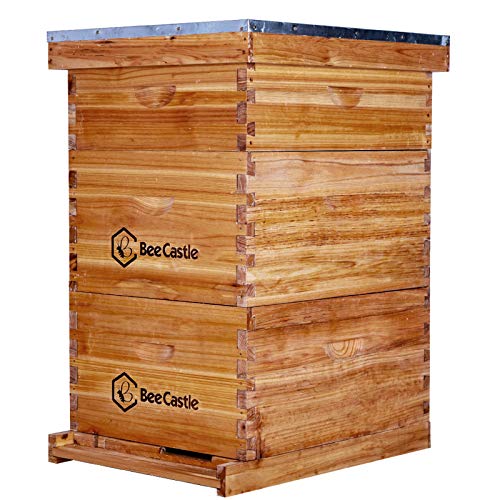
First and foremost, you’ll need a beehive. There are various types of hives available, but for beginners, a Langstroth hive or a top-bar hive are often recommended due to their simplicity and ease of management.
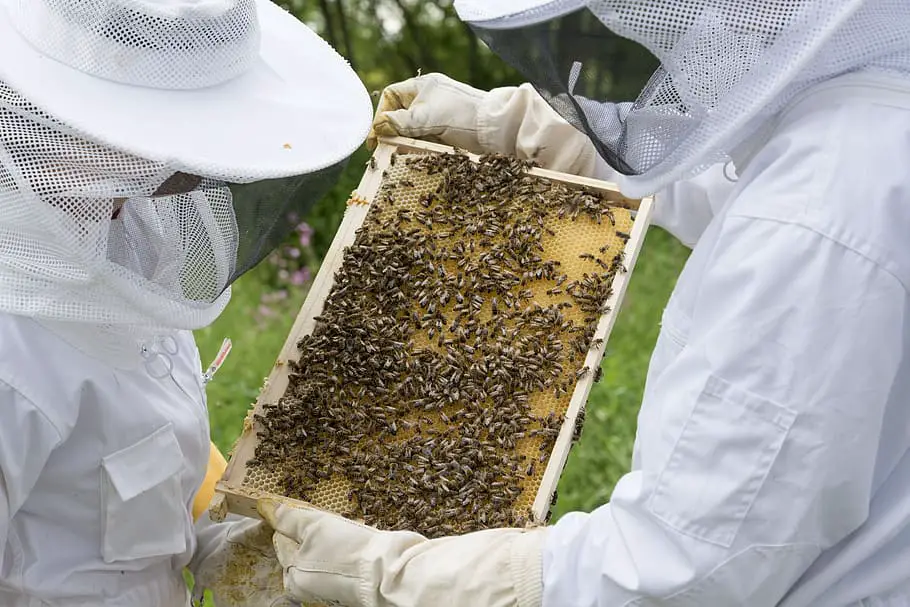
Next, you’ll need some basic beekeeping tools. This includes a bee suit to protect you from stings, a smoker to calm the bees when you’re inspecting the hive, and a hive tool for opening the hive and manipulating the frames.
And of course, you’ll need the bees themselves! You can purchase bees from a reputable supplier, or, if you’re lucky, you might be able to obtain a swarm from a local beekeeper.
Best Practices for Beginners
As a beginner, it’s important to start off on the right foot. Here are a few best practices to keep in mind:
Education is key: Before you get your bees, take the time to learn about bee behavior and hive management.
There are many great resources available, from books to online courses and local beekeeping clubs.
Start small: It’s a good idea to start with just one or two hives. This will allow you to get a feel for beekeeping without becoming overwhelmed.
Regular inspections: Regular hive inspections are crucial for monitoring the health of your colony and catching any potential issues early.
Be a good neighbor: If you’re keeping bees in a residential area, be mindful of your neighbors. Place your hives thoughtfully, provide a water source so bees don’t visit the neighbor’s pool, and educate your neighbors about what you’re doing.
Seek support: Don’t be afraid to ask for help. The beekeeping community is generally very supportive, and experienced beekeepers can provide invaluable advice.
Remember, beekeeping is a journey, not a destination. There’s always something new to learn, so take your time and enjoy the process!
What is Urban Beekeeping? FAQs
Is urban beekeeping legal?
Urban beekeeping laws vary by city, county, and state. Some locations allow residential hives without special permission, while others require registration, permits, setbacks, barriers, water sources, or limits on the number of colonies.
Check local ordinances before purchasing equipment or bees. Renters and condominium residents should also review their lease, homeowners association rules, and building policies.
Can I keep a beehive on a rooftop or balcony?
A rooftop may work when the building can support the weight, the beekeeper has safe access, and the hive is protected from excessive wind and heat. You must also consider flight paths, nearby people, water, equipment access, and local regulations.
Balconies are usually more difficult because they place bees close to doors, windows, neighbors, and shared spaces. Never assume that a rooftop or balcony is suitable without approval from the property owner and an evaluation by an experienced local beekeeper.
What are the main challenges of urban beekeeping?
Common challenges include limited space, nearby neighbors, safe hive placement, swarming, reliable water, seasonal forage, pests, colony diseases, and compliance with local rules. Beekeepers must also move and inspect heavy hive boxes safely.
Varroa mites are one of the most serious health threats to managed honey bee colonies. Responsible beekeeping requires regular monitoring and an appropriate management plan rather than waiting until the colony visibly declines.
What are the benefits of urban beekeeping?
Urban beekeeping provides an opportunity to learn about honey bee biology, colony management, pollination, and food production. Managed honey bees may pollinate nearby gardens and flowering plants, and beekeeping programs can support community education.
Honey production is another possible benefit, but harvests vary with weather, colony health, available forage, and local conditions. A new colony may need its stored honey more than the beekeeper does.
Does urban beekeeping help all bees?
Managed honey bees and native bees are not the same. Keeping a honey bee colony does not automatically conserve native pollinators. In areas with limited flowers, a high density of managed colonies may increase competition for nectar and pollen.
You can support a wider range of pollinators by planting diverse, locally appropriate flowers, reducing unnecessary pesticide use, preserving nesting habitat, and avoiding more managed hives than the available forage can support.
Is urban beekeeping sustainable?
Urban beekeeping can be sustainable when colonies receive responsible care and the surrounding landscape provides enough forage. Hive density, disease management, water availability, local climate, and the needs of native pollinators all matter.
Simply placing more hives in a city is not always beneficial. Sustainable beekeeping means maintaining healthy colonies, preventing unmanaged swarms, monitoring pests and disease, and considering the wider pollinator community.
How much time does urban beekeeping require?
The workload changes throughout the year. Colonies require regular inspections during active seasons, along with swarm prevention, pest monitoring, equipment maintenance, honey management, feeding when appropriate, and preparation for winter.
Some inspections are brief, while harvesting honey or dealing with a colony problem can take considerably longer. You also need time for education and recordkeeping.
Should I take a beekeeping course before buying bees?
Yes. A local beginner course and hands-on mentoring can teach you how to handle frames, inspect brood, use a smoker, identify the queen, recognize disease, monitor Varroa mites, and respond to swarming.
Learning from a local association is especially valuable because beekeeping methods, weather, nectar flows, winter preparation, and regulations differ by region.
What common beekeeping terms should a beginner know?
Brood refers to the eggs, larvae, and pupae developing inside the hive. A super is a hive box commonly used for honey storage. Bearding describes bees gathering outside the hive entrance, often during warm weather or crowded conditions.
Other useful terms include nuc, which is a small starter colony; queenright, meaning a colony has a functioning queen; and swarm, the natural process in which part of a colony leaves with a queen to establish a new home.
Final Thoughts
Urban beekeeping can be a rewarding way to learn about honey bees, pollination, and food production while maintaining a colony in a populated setting. It also requires more preparation and responsibility than simply installing a hive and waiting for honey.
Before purchasing bees, confirm that beekeeping is permitted, evaluate the proposed hive location, and talk with nearby neighbors. Provide a dependable water source, plan the bees’ flight path, and make sure you can safely inspect and move heavy equipment.
Education should come before the bees. A local course and experienced mentor can help you learn seasonal hive management, swarm prevention, disease recognition, and Varroa monitoring. These skills are essential for protecting your colony and reducing problems for neighboring beekeepers.
If keeping a hive is not practical where you live, you can still help pollinators. Grow a variety of locally appropriate flowering plants, provide blooms across multiple seasons, avoid unnecessary pesticide use, and support local beekeeping and native-pollinator organizations.
These Extension resources provide additional guidance about residential hive placement, beginner education, managed honey bees, native pollinators, seasonal colony care, and Varroa mite management: