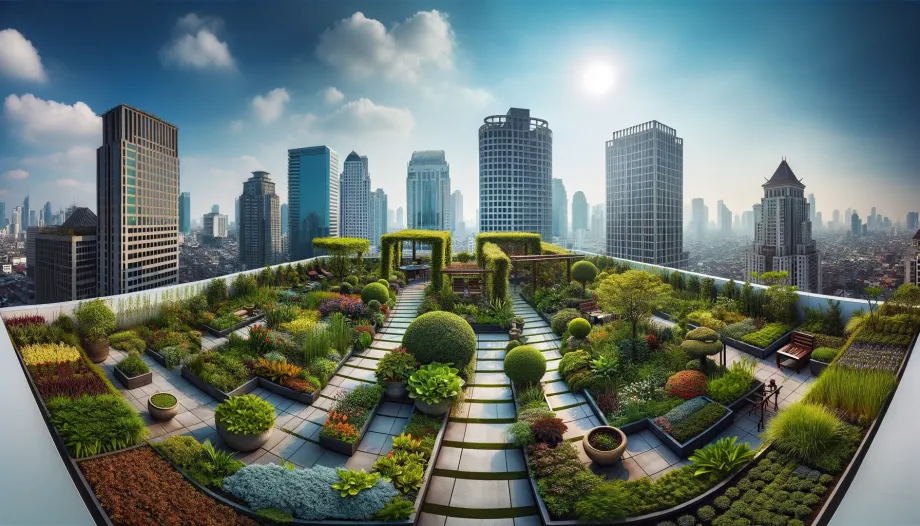
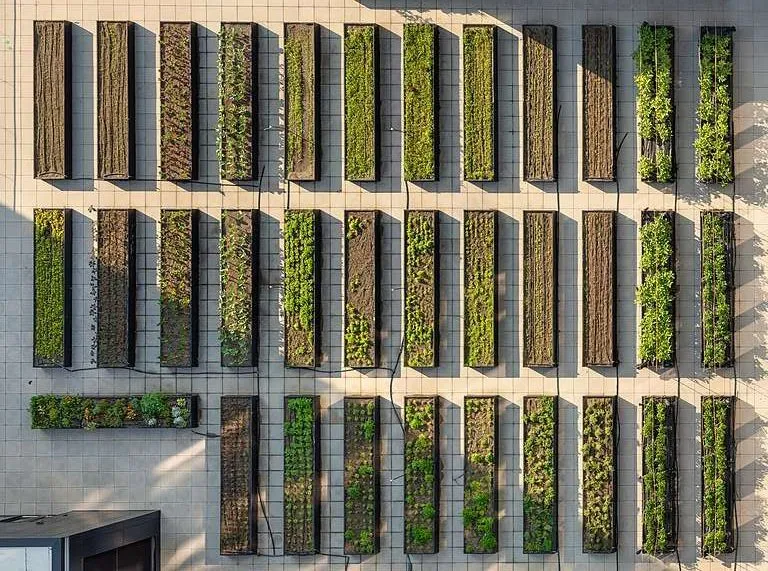
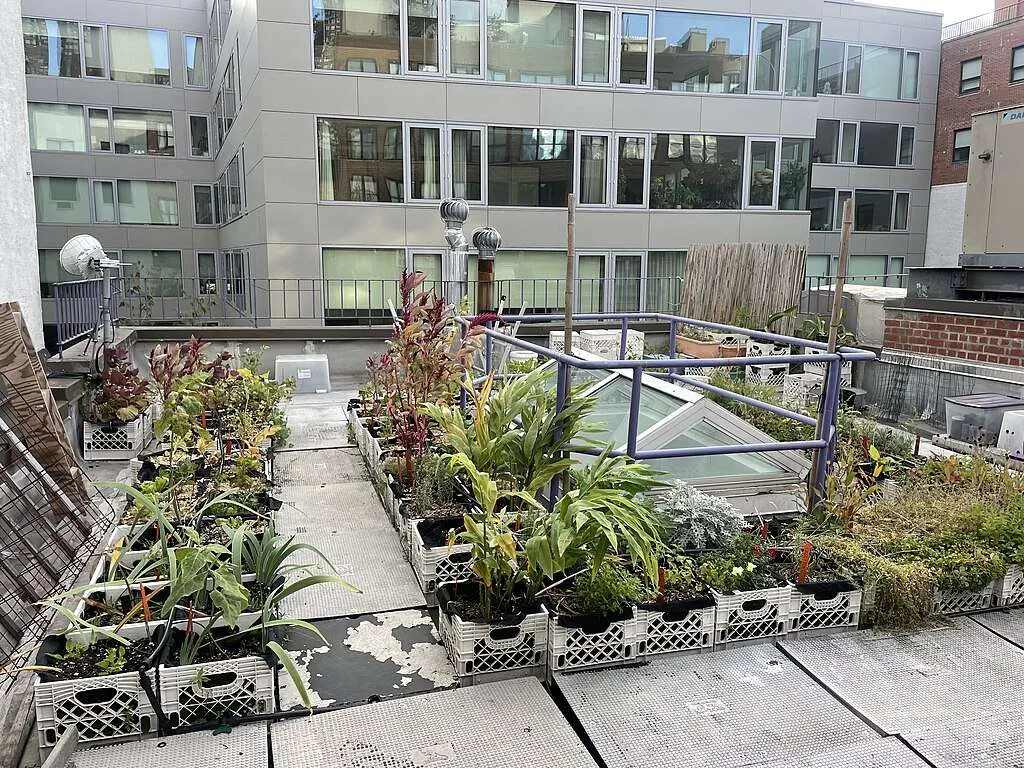
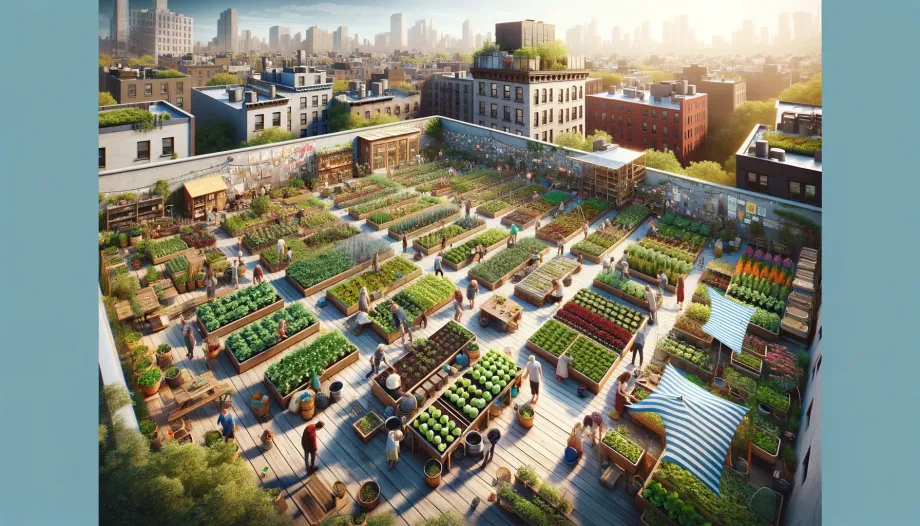
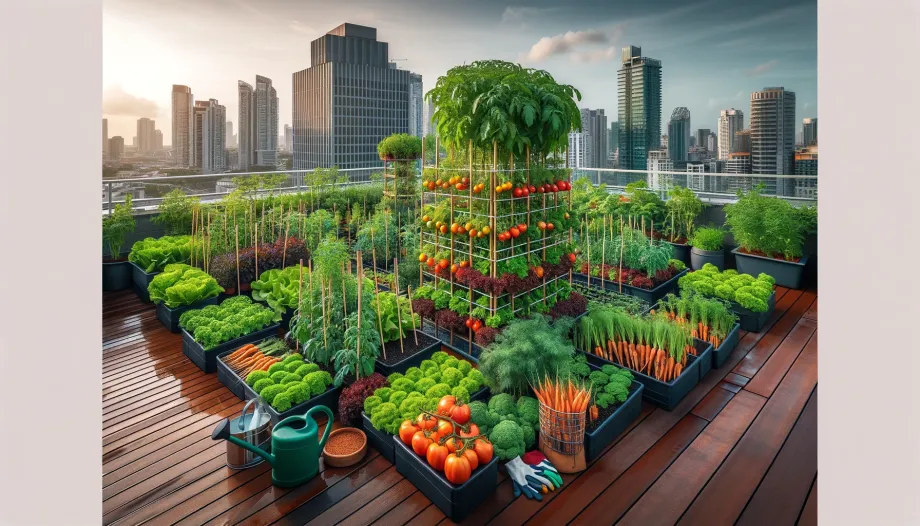
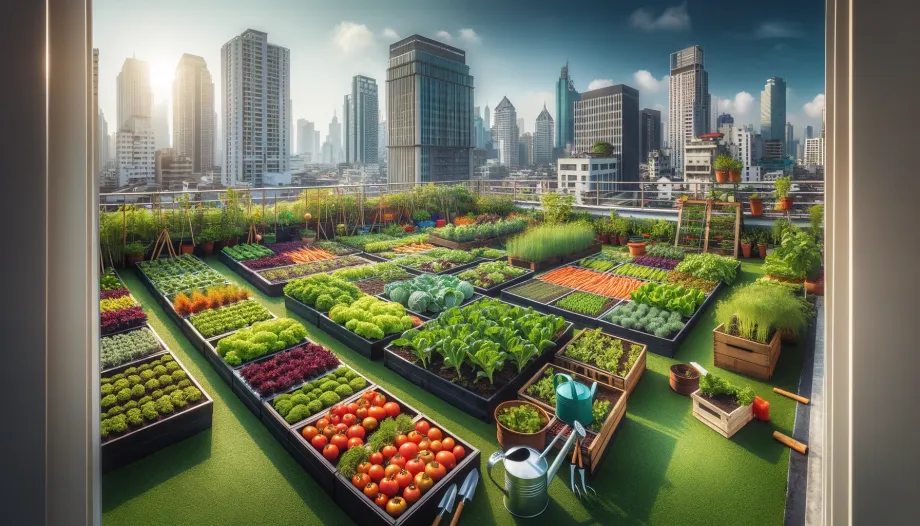
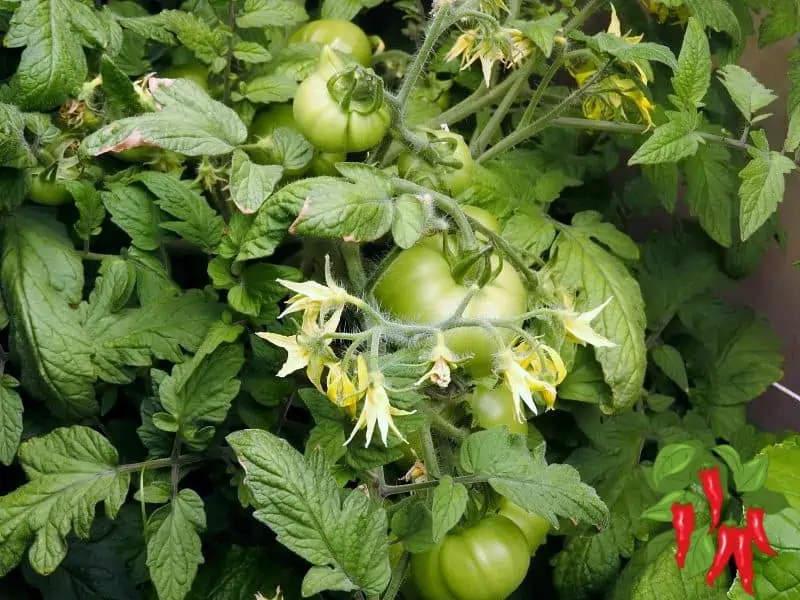
What is a rooftop garden? It is a growing space created on the roof of a house, apartment building, commercial property, or other structure. It may be as simple as several lightweight containers or as complex as an engineered green-roof system with drainage layers and permanent planting areas.
Rooftop gardens can provide space for vegetables, herbs, flowers, and places to relax. However, a roof is not the same as a ground-level patio. Weight limits, waterproofing, drainage, wind, safe access, and building rules must be addressed before containers or growing media are carried onto it.
This guide explains 11 things you should know before planning a rooftop garden, beginning with the building itself.
What You’ll Learn
The difference between a rooftop container garden and a green roof
Why structural approval must come before garden design
How water, saturated growing media, and people affect roof loads
How to evaluate sunlight, wind, heat, and access
Which containers and growing media work best
How to select plants for rooftop conditions
How to plan watering, drainage, safety, and maintenance
A rooftop garden is a planted area created on top of a building. It may use movable containers, raised beds, or a professionally engineered green-roof system. Before starting, obtain the property owner’s permission and confirm the roof’s structural capacity, waterproofing, drainage, access, railing, and local-code requirements. Never estimate how much weight a roof can safely support.
Rooftop Garden Types at a Glance
Rooftop Garden Type
How It Works
Typical Uses
Planning Level
Container garden
Plants grow in individual movable pots or planters.
Herbs, flowers, compact vegetables, and small shrubs
Still requires permission and confirmation of safe roof loads
Raised-bed garden
Larger beds hold more growing medium and may remain in place.
Vegetables, herbs, flowers, and intensive food production
Requires professional load, drainage, and waterproofing review
Extensive green roof
A shallow engineered system supports low-growing, resilient plants.
Building coverage, stormwater management, and low-growing vegetation
Professionally designed and installed as part of the roof system
Intensive green roof
A deeper engineered system can support a broader range of plants.
Lawns, perennials, shrubs, seating, and landscaped gathering areas
Requires extensive structural, architectural, and waterproofing design
Hydroponic rooftop garden
Plants grow in a water-based system rather than traditional garden soil.
Leafy greens, herbs, strawberries, and some fruiting crops
Requires professional review of equipment, water loads, electricity, and drainage
A rooftop garden uses an approved roof area to grow plants or create a landscaped outdoor space. Depending on the building and design, it may include containers, raised beds, trellises, hydroponic equipment, seating, or permanent green-roof components.
The term is often used broadly, but a collection of pots placed on an accessible roof is different from a green roof constructed as part of the building envelope. Understanding that difference helps you avoid choosing a project that exceeds the building’s capacity or your maintenance abilities.
Rooftop Container Garden
A rooftop container garden uses separate pots, planters, or approved modular beds. It is generally easier to change than an integrated green roof, but it still adds weight and can affect drainage, access, and the roof membrane.
Movable containers are often the most practical option for an apartment building or small accessible roof. They let you adjust the layout as sunlight and wind patterns become clear.
Green Roof
A green roof is an engineered assembly installed over a roof. Depending on the design, it may include waterproofing, root protection, drainage, water-retention materials, growing media, and selected plants.
Green roofs should be designed and installed by qualified professionals. They are not created by spreading garden soil directly over an existing roof.
Rooftop Farm
A rooftop farm focuses on growing food at a larger scale. It may use containers, raised beds, hydroponics, or another professionally planned system. Commercial rooftop farms also have operational, food-safety, access, irrigation, and building-code considerations beyond those of a small personal garden.
1. Get Permission Before Planning the Garden
If you do not own the building, obtain written permission from the property owner or building management before placing anything on the roof. Roof access does not automatically include permission to create a garden.
Condominium associations, landlords, insurers, fire officials, and local building departments may have additional requirements. Restrictions may cover containers, irrigation, railings, pathways, electrical equipment, wind exposure, emergency access, and attachment to the building.
Safety First: Do not enter or garden on a roof that is not approved for regular occupant access. A rooftop garden needs a safe access route, suitable fall protection, and clear emergency pathways.
A qualified structural professional should determine whether the roof can support the proposed garden. Do not rely on an online soil-weight estimate or assume a flat roof is designed to hold planters and people.
The review should account for the complete installed and occupied load, including:
Containers and raised-bed materials
Fully saturated growing media
Mature plants and retained water
Irrigation tanks, hoses, and equipment
Furniture, storage, trellises, and windbreaks
Gardeners, visitors, and maintenance workers
Rain, snow, and other environmental loads
Load placement matters as well as total weight. A professional may specify where approved containers can sit and whether the weight must be distributed in a particular way.
Plan for Wet Weight, Not Dry Weight
Growing media, compost, wood, and other porous materials become heavier when wet. Plants also gain weight as they mature. The garden must be evaluated for its heaviest expected condition, not how light the materials feel when first carried onto the roof.
3. Protect Waterproofing and Roof Drainage
A rooftop garden should never block drains, scuppers, gutters, inspection points, or emergency routes. Water must be able to leave the roof at the rate intended by the building’s drainage design.
Containers should not sit directly on or damage the roof membrane. Use only supports, protective systems, and placement methods approved for that roof. Avoid drilling, fastening, or attaching anything to the building without professional authorization.
Place saucers and drainage trays only where they are permitted and can be emptied safely. Standing water can create additional weight, attract mosquitoes, damage plants, and conceal drainage problems.
Inspection Tip: Keep enough clearance around drains, roof penetrations, mechanical equipment, and the edges of planters for routine roof inspection and maintenance.
4. Map the Rooftop Microclimate
Rooftops usually experience more wind, reflected heat, and rapid temperature changes than ground-level gardens. Nearby walls, taller buildings, mechanical equipment, and roof structures can create areas with very different growing conditions.
Observe the rooftop before choosing plants or arranging containers. Record what happens during the morning, midday, and late afternoon.
Measure Direct Sunlight
Track how many hours of direct sunlight each potential growing area receives. Full sun generally means at least six hours of direct light, while part-sun areas receive approximately four to six hours.
Do not assume the entire roof receives the same amount of light. Elevator structures, parapet walls, railings, nearby buildings, and rooftop equipment can produce moving areas of shade.
Identify the Strongest Winds
Wind can dry plants quickly, damage leaves, snap tall stems, and tip containers. Observe the usual wind direction and look for existing protected areas approved for garden use.
Any trellis, screen, shade panel, or windbreak must be approved and secured according to the building’s requirements. Never attach a structure to a roof, railing, parapet, or mechanical equipment without authorization.
Check Reflected Heat
Roofing materials, glass, concrete, metal, and nearby walls can reflect heat toward plants. A location that appears suitable in the morning may become extremely hot during the afternoon.
Check both the plants and their containers during hot weather. Dark-colored pots may heat the root area faster than light-colored or insulated containers.
Look for Rain Shadows
Overhangs and taller structures may prevent rain from reaching some containers. Other areas may receive concentrated runoff and become excessively wet. Every container still needs individual moisture checks.
Planning Tip: Sketch the approved garden area and mark full sun, afternoon shade, strong wind, reflected heat, water access, drains, and required pathways before deciding where plants will go.
5. Choose Safe Rooftop Containers
Rooftop containers should be durable, stable, weather-resistant, and suitable for the approved load. Lightweight materials can reduce unnecessary weight, but the containers must not be so light that they become unstable in strong wind.
Good options may include approved resin, fiberglass, fabric, or lightweight composite planters. The correct choice depends on the building, plant, climate, and placement requirements.
Use Containers With Drainage Holes
Each planter needs working drainage holes unless it is part of a professionally designed water-growing system. Excess irrigation water must be directed according to the roof’s approved drainage plan.
Do not assume that putting gravel in the bottom of a sealed pot will solve drainage problems. The water still needs an approved way to leave the container.
Match the Container to the Mature Plant
Choose the container according to the plant’s mature root system, height, and width. Herbs and lettuce can use relatively compact planters, while tomatoes, shrubs, and small trees need considerably more root space.
Larger containers dry more slowly and provide better stability, but they also create greater saturated weight. Container size must remain within the professionally approved plan.
Prevent Tipping and Movement
Place taller plants and top-heavy containers only in approved protected locations. Do not rely on loose bricks, stones, or improvised attachments to keep a planter from moving.
Any anchoring or restraint system should be specified for the building and installed without damaging the roof membrane.
Regular ground soil is usually too dense and heavy for rooftop containers. It can compact inside a pot, drain poorly, and become much heavier when saturated.
For movable containers, use a lightweight, well-aerated growing medium suited to the plant. I prefer coco coir and perlite as a starting point for many container crops.
My Coco Coir and Perlite Preference
A starting mixture of approximately two parts buffered coco coir to one part perlite works for many herbs and vegetables. I adjust that ratio according to the plant, container, rooftop heat, and watering method.
Coco coir holds moisture while helping maintain an open structure.
Perlite increases air space and drainage.
Compost or worm castings can be added where appropriate without making the mixture excessively dense.
A plant-appropriate fertilizer supplies nutrients that coco coir does not provide by itself.
Do not use one mixture for every rooftop plant. Succulents, lavender, vegetables, herbs, shrubs, and moisture-loving flowers have different drainage and water-retention requirements.
Important: An engineered green roof requires a growing medium specified for that roof system. Do not substitute a homemade container mixture for professionally designed green-roof media.
7. Select Plants for Rooftop Conditions
Choose plants according to the rooftop’s sunlight, wind, heat, winter temperatures, container depth, and available irrigation. A plant that performs well in a protected ground-level garden may struggle on an exposed roof.
Vegetables for Rooftop Containers
Compact vegetables are usually easier to manage than sprawling or extremely tall crops. Suitable choices may include:
Leaf lettuce and other salad greens
Radishes
Green onions
Compact peppers
Bush beans
Dwarf or patio tomatoes
Compact cucumbers with an approved support
Strawberries
Tall tomatoes, climbing beans, corn, and vining squash can catch considerable wind. Grow them only where their containers and supports can be safely placed and secured.
Herbs for Rooftop Gardens
Basil, parsley, chives, thyme, oregano, sage, rosemary, and mint can grow well in rooftop containers when their light and moisture needs are met.
Keep mint in its own container so its roots do not spread through a mixed planter. Rosemary and thyme generally prefer faster drainage than basil and parsley.
Sun-tolerant rooftop choices may include lavender, sedums, compact ornamental grasses, marigolds, zinnias, and other plants suited to the local climate.
A shaded roof requires plants selected for lower light, but shade does not eliminate wind or watering concerns. Hostas and ferns may need more protection from dry wind and consistently moist growing media.
Native and Pollinator-Friendly Plants
Locally appropriate native plants can provide food or shelter for pollinators, but “native” does not automatically mean suitable for every roof. Match each plant to the container depth, drainage, exposure, and local climate.
Rooftop Plant Selection Table
Growing Condition
Possible Plants
Main Consideration
Sunny and hot
Lavender, thyme, sedum, compact peppers
Containers may dry rapidly
Sunny vegetable area
Patio tomatoes, bush beans, strawberries, cucumbers
Needs dependable water and approved supports
Partial sun
Lettuce, parsley, chives, green onions
Confirm the actual hours of direct light
Wind-exposed area
Low-growing herbs, sedums, compact flowers
Avoid tall, brittle, or top-heavy plants
Pollinator area
Locally suitable flowering natives and herbs
Select a succession of bloom times where practical
8. Plan Watering Before Planting
Rooftop containers can dry much faster than ground-level beds. Direct sunlight, reflected heat, wind, and limited growing-medium volume all increase water loss.
Determine how water will reach the garden before carrying plants onto the roof. Repeatedly carrying open watering cans up stairs can be inconvenient and creates spill and fall hazards.
Check Moisture Instead of Following a Calendar
Use your finger or a suitable moisture-checking method to evaluate individual containers. Watering frequency will change with the plant, container size, growing medium, wind, temperature, and season.
Water thoroughly enough to moisten the root area, then allow the approved drainage system to handle the excess. Do not let runoff flow toward doors, walkways, electrical equipment, neighboring property, or unapproved drains.
Consider an Approved Irrigation System
Drip irrigation can deliver water directly to containers and reduce the time required for hand watering. Any permanent or automated system should be approved for the property and installed to prevent leaks, uncontrolled runoff, and backflow problems.
Inspect tubing, emitters, timers, and connections regularly. A small unnoticed leak can waste water and add unwanted weight to the roof.
Group Plants by Water Needs
Place plants with similar moisture requirements together when the approved layout permits. Lavender and rosemary generally prefer more drying than lettuce, basil, and fruiting vegetables.
Grouping compatible plants makes hand watering easier and helps prevent drought-tolerant plants from receiving too much water.
Water Safety: Never leave a filling container, hose, or irrigation system unattended until you know it operates correctly. Overflow and leaks can damage the building and create slippery walking surfaces.
9. Design a Safe and Practical Layout
A rooftop garden layout must protect people, plants, and the building. Start with the areas approved during the structural and building review, then arrange the garden around required pathways, drains, roof equipment, and emergency access.
Do not fill every open space with containers. You need enough room to water, prune, harvest, inspect the roof, and move safely without stepping over hoses or squeezing between planters.
Keep Pathways Open
Maintain clear, slip-resistant pathways between the access point, garden, drains, and mechanical equipment. Follow all pathway dimensions and clearance requirements provided by the building owner or local authorities.
Hoses, irrigation tubing, tools, and electrical cords should not cross walking areas unless an approved system protects them.
Respect Roof Edges and Railings
Suitable guardrails or parapets are essential where people have access to the roof. Do not place chairs, benches, planters, or storage containers where someone could use them to climb near an edge.
Keep tall plants and lightweight objects away from exposed edges. Wind can carry loose pots, tools, decorations, and plant supports off a roof.
Arrange Plants by Height
Place shorter plants where taller crops will not shade them unexpectedly. Approved trellises and tall plants can sometimes create useful wind protection, but they also catch wind and may cast substantial shade.
Consider the plant’s mature size rather than its size at planting. Leave enough room for harvesting, pruning, airflow, and routine inspections.
Create Seating Only When Approved
A seating area can turn a rooftop garden into a relaxing outdoor space, but furniture adds weight and can move in strong wind. Use only approved weather-resistant furniture placed within the designated occupied area.
Umbrellas, shade sails, pergolas, privacy panels, and similar structures require special consideration because they create substantial wind loads. Do not install them without authorization.
Use Weather-Safe Lighting and Electricity
Any permanent rooftop lighting, electrical outlet, pump, or hydroponic system should be installed or approved by qualified professionals. Outdoor electrical equipment must be suitable for exposure to water and weather.
Solar lights may reduce the need for wiring, but they must still be secured against wind and positioned where they will not create a trip hazard.
10. Create a Rooftop Maintenance Plan
A rooftop garden needs more than plant care. The roof, drains, containers, irrigation equipment, supports, and safety features all require regular inspection.
Check the Garden Regularly
Check container moisture and plant condition.
Look for clogged drainage holes and standing water.
Inspect hoses, irrigation tubing, and connections for leaks.
Remove fallen leaves and debris from approved drainage areas.
Check planters and supports for movement or damage.
Inspect plants for pests, diseases, and broken growth.
Keep tools and supplies secured when they are not being used.
Prepare for Extreme Weather
Create a plan for strong wind, heavy rain, heat waves, frost, and snow before those conditions arrive. The plan should follow building-management and professional recommendations.
Do not wait until a windstorm begins to move tall plants, furniture, tools, or loose decorations. Know which items can be relocated safely and where they are permitted to go.
Plan for Vacations and Absences
Rooftop containers may not survive several hot days without attention. Arrange for a responsible person to check the garden, or use an approved and tested automatic irrigation system.
Leave clear watering instructions. Different plants may need different amounts of water, and an unfamiliar helper can easily overwater drought-tolerant containers.
Provide Building Access for Inspections
Roofing professionals, maintenance workers, and inspectors must be able to reach drains, membranes, mechanical equipment, and other service areas. Be prepared to move containers when requested.
Report leaks, standing water, damaged roofing, loose railings, or unusual container movement to the property owner or building manager promptly.
Manage Seasonal Cleanup
Remove dead annuals, fallen leaves, broken stems, weeds, and unused supports. Do not allow plant debris to collect around drains or blow onto neighboring properties.
Perennial containers may need winter protection based on the plants, container material, and local climate. A plant that survives winter in the ground may be less cold-hardy when its roots are exposed inside a rooftop container.
11. Understand the Benefits and Limitations
Rooftop gardens can create growing space where ground-level land is limited. They can support food production, flowers, pollinators, outdoor recreation, and opportunities to learn about gardening.
The environmental benefits depend heavily on the type and scale of the project. A professionally engineered green roof covering a substantial area can affect stormwater runoff and roof-surface temperature differently than a few movable containers.
Potential Benefits of Rooftop Gardens
Additional growing space: An approved roof can provide room for herbs, vegetables, flowers, and ornamental plants.
Access to fresh produce: A productive container garden can supply seasonal herbs and vegetables.
Outdoor living space: An approved occupied roof may provide a place to relax and enjoy plants.
Pollinator resources: Suitable flowering plants can provide food for bees and other insects.
Stormwater management: An engineered green roof can capture and slow some rainfall.
Reduced roof-surface heat: Green-roof vegetation can shade the roof and cool it through evapotranspiration.
Limitations to Consider
Structural reviews and professional design may be required.
Installation and maintenance can cost more than ground-level gardening.
Containers may require frequent watering during hot or windy weather.
Plants and equipment must be secured against wind.
Access may be restricted by the building owner or local codes.
Roof repairs may require temporary removal of the garden.
Engineered green roofs require specialized layers, materials, and installation.
Realistic Expectation: A few rooftop containers can provide enjoyable gardening space and fresh produce. Broader stormwater, insulation, and heat-island benefits are more closely associated with properly designed green-roof systems and larger-scale projects.
Frequently Asked Questions About Rooftop Gardens
What is the difference between a rooftop garden and a green roof?
A rooftop garden is a broad term for plants grown on a roof and may include movable containers or raised beds. A green roof is an engineered roof assembly with specialized waterproofing, drainage, growing media, and vegetation layers.
Can I put a garden on any flat roof?
No. A flat surface does not automatically mean the roof is approved for occupants or garden loads. Obtain permission and have the proposed garden professionally evaluated before placing containers, growing media, furniture, or equipment on the roof.
Do I need permission to start a rooftop garden?
Usually, yes. Renters and condominium residents need approval from the property owner, management, or association. Owners may still need structural review, permits, insurance approval, or inspections depending on the building and local rules.
Can I put a raised bed on my roof?
Only if the building and structural review specifically approve it. A raised bed can become extremely heavy when its growing medium is saturated. The review should also address drainage, waterproofing, placement, access, and wind exposure.
How deep should rooftop garden soil be?
The required depth depends on the plant and type of rooftop system. Container depth should match the mature root system while remaining within the approved saturated load. Engineered green-roof depths must be specified as part of the professional design.
What growing medium should I use?
For movable containers, use a lightweight, well-draining medium suited to the plant. I prefer coco coir and perlite as a starting point for many container vegetables and herbs. An engineered green roof requires specialized growing media specified for that system.
What plants grow well on rooftops?
Suitable plants may include low-growing herbs, compact vegetables, sedums, locally appropriate native plants, and wind-tolerant flowers. Match the plant to the roof’s sunlight, heat, wind, winter temperatures, container depth, and available water.
How often should a rooftop garden be watered?
There is no universal schedule. Check the growing medium and water according to the plant, container size, wind, temperature, and season. Exposed rooftop containers may need more frequent attention than similar containers at ground level.
Can I install hydroponics on a rooftop?
Possibly, but the entire system must be approved. Water reservoirs are heavy, and rooftop hydroponics may involve pumps, electricity, plumbing, drainage, wind protection, and leak management.
A well-maintained container garden can continue as long as the roof remains approved and the containers, plants, and equipment are maintained. An engineered green roof’s service life depends on its design, materials, installation, maintenance, climate, and underlying roof system.
Are rooftop gardens expensive?
Costs vary widely. A small approved container garden may require only planters, growing medium, plants, and watering equipment. An intensive green roof can require structural work, professional design, waterproofing, drainage, permits, safety systems, installation, and ongoing maintenance.
Are rooftop gardens safe?
They can be safe when the roof is approved for access and the garden is professionally evaluated, properly installed, and maintained. Structural capacity, railings, pathways, drainage, wind exposure, fire access, and emergency routes must all be addressed.
What is a Rooftop Garden? Final Thoughts
A rooftop garden can turn an approved urban roof into a productive growing area or relaxing green space. Containers make it possible to grow herbs, flowers, and compact vegetables, while professionally engineered green roofs can support larger environmental and landscaping goals.
The first step is not buying plants. Start with permission, structural capacity, waterproofing, drainage, safe access, and local requirements. Once those questions are answered, you can choose containers and plants that fit the approved space.
Begin with a manageable layout. Learn how wind, sunlight, reflected heat, and water affect the plants before expanding. A smaller garden that is safe and easy to maintain is a much better starting point than an ambitious design that exceeds the roof or gardener’s limits.
With careful planning and the right professional guidance, a rooftop garden can provide years of enjoyable growing above the city.