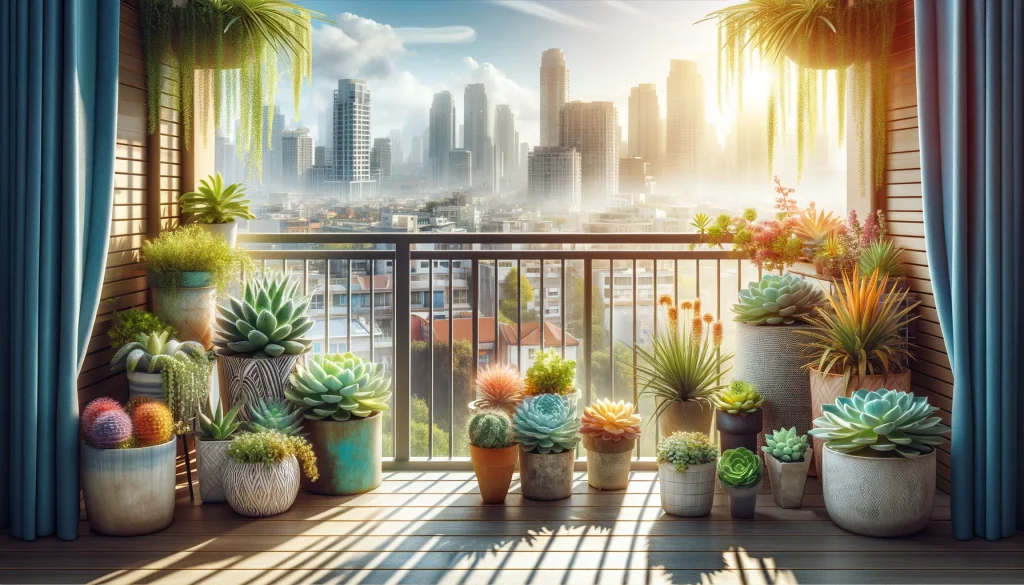
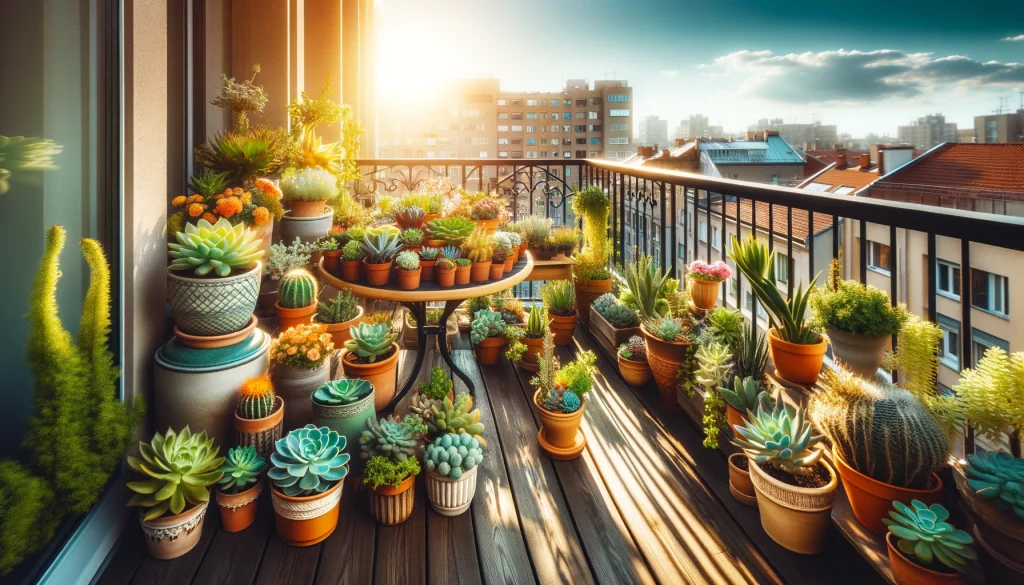
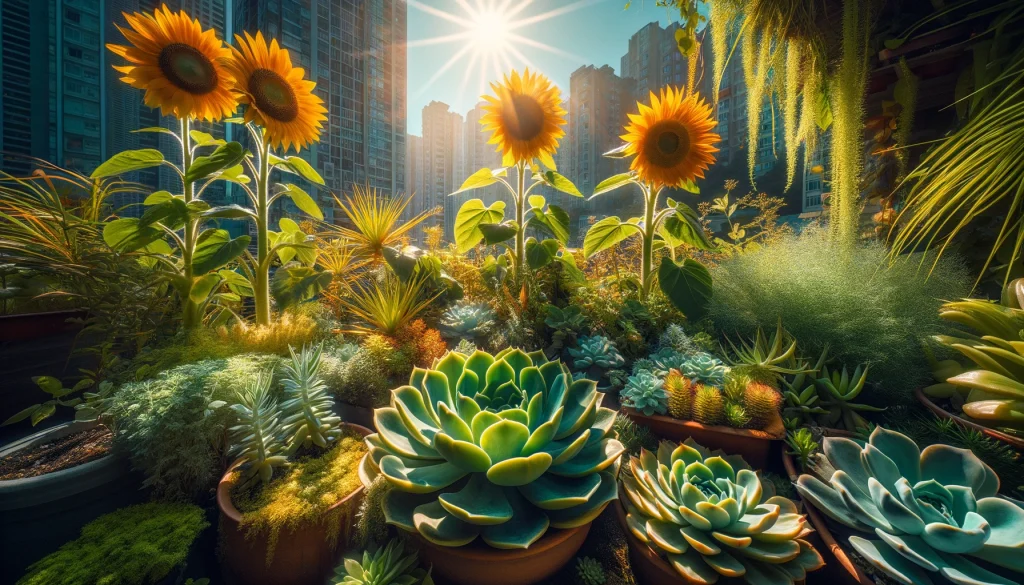
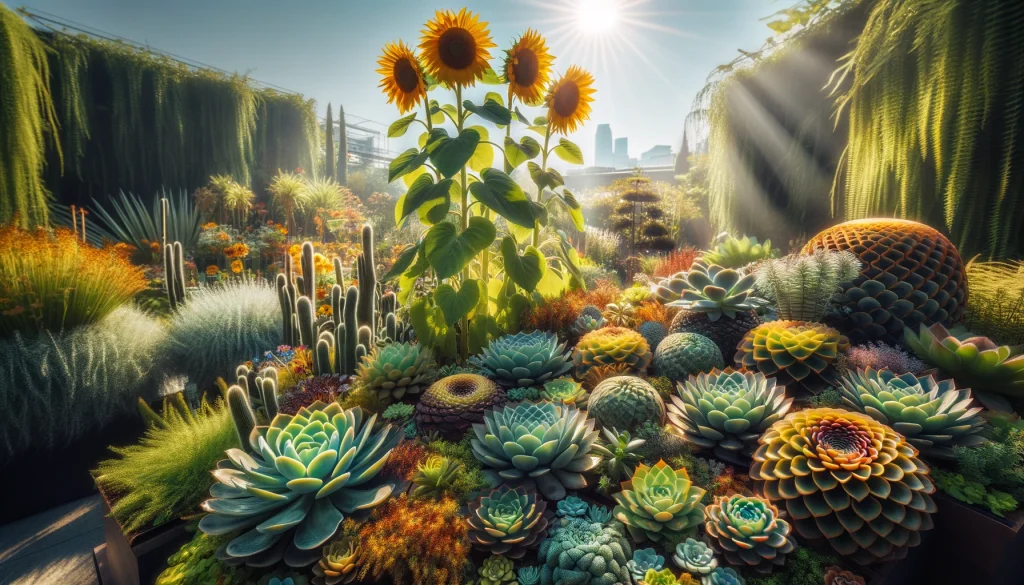
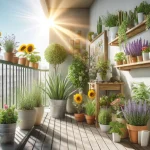
Outdoor plants that like direct sunlight can fill a sunny balcony, patio, or garden bed with color. The trick is choosing plants that can handle both the light and the heat that builds up during the afternoon.
Sunflowers, lavender, roses, cacti, and certain succulents are five excellent choices. However, they do not all need the same soil, watering schedule, or winter protection. A sunflower growing in a garden bed has very different needs from a cactus sitting in a hot container.
In this guide, you’ll learn how to evaluate your sunny growing space, compare five popular plants, and give each one the conditions it needs to grow well.
What You’ll Learn
What gardeners mean by direct sunlight and full sun
Five outdoor plants that grow well in sunny locations
How to compare their water, soil, and container needs
Why some sun-loving plants still need time to adjust
How to manage heat, drainage, watering, and pests
Common mistakes that can damage plants in full sun
Sunflowers, lavender, roses, cacti, and sun-tolerant succulents are good outdoor plants for direct sunlight. Most need at least six hours of direct sun, excellent drainage, and watering based on the plant rather than a fixed schedule. Check the plant’s mature size, climate tolerance, and moisture requirements before adding it to a container or garden bed.
Outdoor Plants That Like Direct Sunlight at a Glance
Plant
Sunlight
Water Needs
Best Growing Location
Beginner Note
Sun-Tolerant Succulents
Bright light to full sun
Low to moderate
Containers and dry garden beds
Acclimate gradually to intense sunlight
Sunflowers
Full sun
Moderate
Garden beds or deep containers
Choose a dwarf variety for containers
Lavender
Full sun
Low once established
Raised beds and well-drained containers
Dislikes constantly wet growing media
Roses
At least six hours for most varieties
Moderate and consistent
Garden beds or large containers
Needs airflow and room for its mature size
Cacti
Bright light to full sun
Low
Fast-draining containers and dry gardens
Check cold tolerance before planting outdoors
Important: “Succulent” and “cactus” describe large groups of plants. Their sunlight and cold-tolerance requirements vary by species. Always check the needs of the exact plant you purchase.
What Does Direct Sunlight Mean for Outdoor Plants?
Direct sunlight reaches a plant without being filtered through a tree, shade cloth, roof, or window. An outdoor location receiving six or more hours of direct sunlight per day is generally described as full sun.
The number of hours is only part of the picture. Morning sun is gentler than late-afternoon sun, and a container sitting against a bright wall may become much hotter than a plant growing in an open garden bed.
Full Sun
A full-sun location normally receives at least six hours of direct sunlight. Many flowering plants produce stronger growth and more blooms when they receive closer to eight hours, provided their roots have enough moisture.
Part Sun
Part sun generally means approximately four to six hours of direct sunlight. Some plants will survive in this exposure but may flower less or develop thinner growth than they would in full sun.
Bright Shade
Bright shade provides plenty of indirect light but little direct sun. This can be useful for plants that scorch easily, but it is usually not enough for strong sunflower, lavender, or rose flowering.
Evaluate Your Sunny Growing Space
Before buying plants, observe the space during the morning, midday, and late afternoon. Buildings, roof overhangs, fences, and nearby trees can change the amount of direct sunlight a location receives.
Count the Hours of Direct Sun
Check the area every hour or two on a clear day and record when direct sunlight reaches it. Repeat the observation during another season if possible because the sun’s path and surrounding shade will change during the year.
Notice When the Sun Is Strongest
Six hours of morning sunlight will affect a plant differently than six hours extending through the hottest part of the afternoon. Roses and sunflowers usually appreciate abundant light, while newly purchased succulents and cacti may scorch if moved directly from a greenhouse into intense afternoon sun.
Check for Reflected Heat
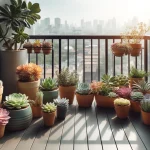
Concrete, brick, glass, and light-colored walls can reflect heat toward your plants. This is especially important on balconies and patios, where containers may dry much faster than garden soil.
If your balcony becomes extremely warm, see Plants for a Hot Balcony for more help choosing heat-tolerant plants.
Consider Wind Exposure
Wind increases water loss and can knock over tall plants. Sunflowers and roses may require heavy containers, supports, or a protected location. Dry wind can also make a sunny container need water sooner than expected.
Confirm Your Growing Zone
Sunlight tolerance does not automatically mean cold tolerance. Sunflowers are commonly grown as annuals, while lavender, roses, succulents, and cacti may be annuals or perennials depending on the species and local winter temperatures.
How to Choose the Right Full-Sun Plant
Start with the conditions you can provide rather than choosing a plant by appearance alone. A suitable plant should match your available sunlight, climate, container size, and watering habits.
Match the Plant to Your Climate
Lavender often performs best where it receives strong sun and excellent drainage. Roses generally need more consistent moisture. Many cacti prefer dry conditions but cannot survive a cold, wet winter. Look beyond the “full sun” label and check heat, humidity, and winter-hardiness requirements.
Allow Enough Room for Mature Growth
A compact succulent can grow in a relatively small pot, while a full-size sunflower or rose needs considerably more root space. Check the expected mature height and width so the plant does not overwhelm a balcony, pathway, or container.
Choose Containers With Drainage
Every outdoor container should have working drainage holes. Waterlogged roots can damage lavender, succulents, and cacti particularly quickly. Roses and sunflowers appreciate more consistent moisture, but their roots still need oxygen and drainage.
Think About the Time You Have
A large flowering container may require frequent watering during hot weather. If you cannot check it regularly, choose a larger pot, add mulch where appropriate, or select a plant with lower moisture needs.
These five plant groups offer a good mix of flowers, fragrance, structure, and drought tolerance. Each one appreciates abundant light, but their watering and temperature requirements are quite different.
1. Sun-Tolerant Succulents
Succulents store water in their leaves, stems, or roots. That adaptation helps many species tolerate dry conditions, but it does not mean every succulent can sit in intense afternoon sunlight without protection.
Sempervivum, Sedum, Echeveria, and certain types of Agave are commonly grown in sunny outdoor locations. Check the label before planting because their sunlight and winter-hardiness requirements vary considerably.
Sunlight
Provide approximately six hours of direct sunlight for varieties suited to full sun. A little afternoon protection may help sensitive varieties in extremely hot climates.
Move greenhouse-grown or indoor succulents into outdoor sun gradually. Begin with morning sunlight and increase their exposure over one or two weeks. Brown, tan, or bleached patches can be signs of sunburn.
Water and Growing Medium
Use a fast-draining growing medium and a container with drainage holes. Water thoroughly, let the excess drain, and wait until the mixture has dried considerably before watering again.
Do not leave a succulent sitting in a saucer filled with water. Constantly wet roots are more dangerous to most succulents than a short dry period.
Mature Plant Size
Mature size depends on the species. Small rosette succulents may remain only a few inches wide, while Agave and other large succulents can eventually need several feet of space.
Quick Tip: If you do not know the name of a succulent, avoid placing it immediately in all-day sun. Identify it first so you can confirm its light, temperature, and watering needs.
2. Sunflowers
Sunflowers are among the easiest annual flowers to grow in direct sunlight. Their bright blooms add height and color, while pollen-producing varieties provide food for bees and other pollinators.
You can grow sunflowers in garden beds or containers. The variety matters, however. A dwarf sunflower may fit comfortably on a balcony, while a giant variety needs deep soil, support, and much more room.
Sunlight
Give sunflowers at least six to eight hours of direct sunlight. Too much shade can produce weak, stretched stems that lean toward the brightest light.
Water and Soil
Grow sunflowers in well-drained soil and water deeply when the upper soil begins to dry. Young plants require dependable moisture while they establish their root systems.
Container-grown sunflowers dry faster than those growing in the ground. Check them regularly during hot and windy weather.
Mature Plant Size
Dwarf sunflower varieties may remain around one to three feet tall. Full-size and giant varieties can grow six feet or taller. Check the seed packet before choosing a container or planting location.
Flower and Seed Care
Branching sunflower varieties can be deadheaded to encourage additional flowers. If you want to harvest seeds or provide food for birds, leave selected flower heads on the plant until they mature.
Container Tip: Look for sunflower varieties described as dwarf, compact, branching, or container-friendly. A giant sunflower is usually a poor match for a small balcony pot.
3. Lavender
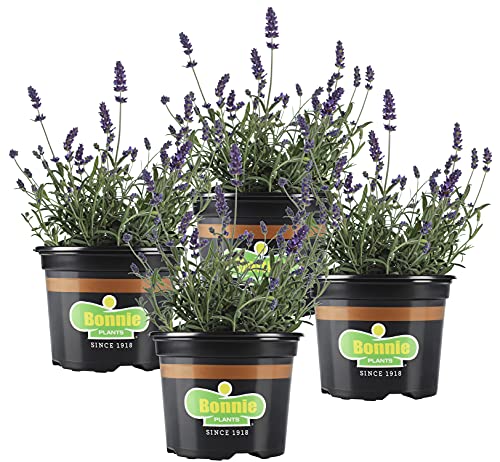
Lavender is a fragrant flowering herb that enjoys abundant sunlight and fast drainage. It works well along sunny borders, in raised beds, and in containers that do not remain wet after watering.
Sunlight
Give lavender at least six hours of direct sunlight, with eight hours being helpful for strong flowering. Shade and overcrowding can reduce blooms and keep the foliage damp.
Water and Growing Medium
Lavender prefers a loose, well-drained growing medium. For containers, I prefer a light coco coir and perlite base adjusted with additional coarse material when faster drainage is needed. Avoid a dense mixture that holds water around the roots for long periods.
Water young lavender consistently while it becomes established. Once established, let the upper portion of the growing medium dry before watering again. Outdoor containers may still need frequent checks during hot weather.
Mature Plant Size
Depending on the species and cultivar, lavender may grow approximately one to three feet tall and wide. Compact cultivars are easier to manage in containers.
Pruning Lavender
Remove faded flower stems and lightly shape the plant to encourage bushier growth. Avoid cutting deeply into old, bare woody stems because some lavender plants may not regrow well from that point.
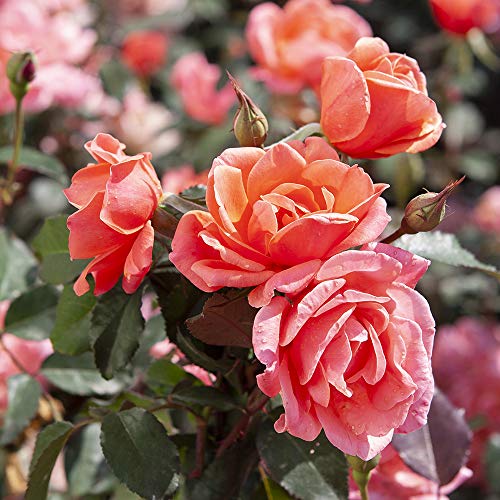
Roses provide long-lasting color and are available in sizes ranging from compact patio roses to large climbing varieties. Most flower best in full sun, although their exact care depends on the type and local climate.
Sunlight
Most roses need at least six hours of direct sunlight. Morning sun is especially useful because it helps dry moisture from the leaves, which may reduce conditions that encourage fungal problems.
Water and Soil
Roses appreciate consistent moisture but should not remain waterlogged. Water near the base of the plant and soak the root area thoroughly. Try to keep the foliage dry when practical.
Use fertile, well-drained soil or growing medium. Container roses also need regular fertilizer because watering gradually carries nutrients out through the drainage holes.
Mature Plant Size
Patio and miniature roses may remain around one to three feet tall. Shrub roses commonly grow three to six feet, while climbers can grow much taller when given suitable support.
Airflow and Routine Care
Leave enough room between roses and nearby plants for air to circulate. Remove dead or diseased material and inspect the new growth for aphids. Black spot and powdery mildew can also become problems under favorable conditions.
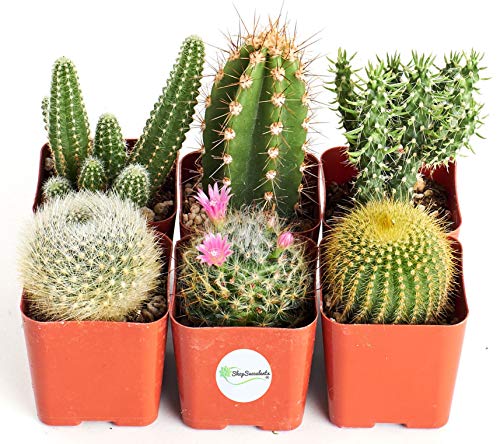
5. Cacti
Cacti are succulents belonging to the cactus family. Many originate in sunny, dry environments and store water in their stems, but their outdoor care still varies by species.
Some prickly pear cacti tolerate freezing winters, while many tropical and desert cacti need protection from frost. Confirm the species before leaving a cactus outdoors year-round.
Sunlight
Established sun-loving cacti can handle several hours of direct sunlight. However, a cactus grown indoors or under greenhouse shade can still burn when suddenly placed outdoors. Increase its direct-sun exposure gradually.
Water and Growing Medium
Use a gritty, fast-draining growing medium and a container with an unobstructed drainage hole. Water thoroughly and allow the mixture to dry substantially before watering again.
Reduce watering during cool weather when growth slows. Cold and constantly wet roots can be a damaging combination for many cactus species.
Mature Plant Size
Small globular cacti may remain only a few inches wide, while columnar and branching species can eventually become several feet tall. Select compact varieties for balcony railings, tabletops, and other restricted spaces.
Placement and Safety
Place spiny cacti away from narrow walkways and areas used by children or pets. A heavy container can help prevent a top-heavy cactus from tipping over as it grows.
Remember: Drought-tolerant does not mean a plant never needs water. Succulents, lavender, and cacti still need thorough watering when their growing medium reaches the appropriate level of dryness.
How to Care for Outdoor Plants in Direct Sunlight
Full-sun plants are not all cared for the same way. Sunflowers and roses need more consistent moisture than lavender, succulents, and cacti. Your climate, container size, and growing medium also affect how often each plant needs attention.
Check Moisture Before Watering
Direct sunlight heats the plant, growing medium, and container. Small pots can dry surprisingly quickly, especially when they are exposed to afternoon sun or wind.
Check the growing medium with your finger rather than watering every plant on the same schedule. Roses and sunflowers generally need water sooner than established lavender, succulents, or cacti.
When you water, apply enough to moisten the root area thoroughly. Let excess water drain from containers instead of allowing the pots to remain in standing water.
Use the Right Growing Medium
I prefer coco coir and perlite as the starting point for many outdoor containers. From there, I adjust the mixture according to the plant.
Sunflowers and roses: Use a mixture that drains well but retains enough moisture to support active growth. Compost or worm castings can be included where appropriate.
Lavender: Increase drainage with additional perlite or another coarse amendment. Avoid a dense mixture that stays wet.
Succulents and cacti: Use a much faster-draining blend with plenty of coarse mineral material. Coco coir should not dominate a cactus mixture.
Avoid filling outdoor containers with heavy garden soil. It can compact inside a pot, restrict airflow, and drain poorly.
Make Sure Containers Drain
Every container needs an open drainage hole. A decorative pot without drainage can be used as an outer cover, but the plant should remain in a separate inner pot that can be removed for watering.
Adding gravel to the bottom of a pot does not replace a drainage hole. Water still needs a clear path out of the container.
Fertilize According to the Plant
Roses and sunflowers are generally heavier feeders than lavender, succulents, and cacti. Use a fertilizer intended for the type of plant you are growing and follow the label directions.
Coco coir provides very few nutrients by itself, so container plants growing in a coir-based mixture need an appropriate fertilizer. More is not better. Excess fertilizer can damage roots and produce weak or unbalanced growth.
Use Mulch Where It Makes Sense
A light layer of mulch can reduce evaporation around roses and sunflowers growing in beds or large containers. Keep mulch slightly away from stems and crowns.
Avoid applying a thick, moisture-holding mulch directly around lavender, succulents, or cacti. These plants generally benefit from better airflow and a drier surface around their crowns.
Prune and Deadhead Selectively
Remove dead, damaged, or diseased plant material when you notice it. Deadhead roses and branching sunflowers when you want to encourage additional flowers.
If you want sunflower seeds, leave some flower heads in place to mature. Lavender can be lightly shaped after flowering, but avoid cutting deeply into bare woody stems.
Common Full-Sun Gardening Mistakes
Moving Plants Into Full Sun Too Quickly
A plant labeled for full sun can still burn if it was previously grown indoors or under greenhouse shade. Introduce it to direct sunlight gradually over one or two weeks.
Begin with gentle morning light. Increase the duration and intensity as the plant adjusts. This is especially important for succulents and cacti that have spent the winter indoors.
Treating Every Sun-Loving Plant as Drought-Tolerant
Sunflowers and roses appreciate direct sunlight, but that does not mean they want dry roots. Check each plant’s moisture requirements rather than assuming every full-sun plant should be watered like a cactus.
Overwatering Succulents, Lavender, and Cacti
Constantly wet growing media can deprive roots of oxygen and encourage decay. Let the mixture dry to the level appropriate for the plant before watering again.
Using Containers That Are Too Small
Undersized containers dry quickly and may become top-heavy. A large sunflower, mature rose, or tall cactus needs enough root room and container weight to remain stable.
Ignoring Reflected Heat
A plant may tolerate direct sunlight in a garden bed but struggle in a container surrounded by hot concrete and reflective glass. If leaves scorch or the pot dries within hours, provide afternoon protection or move the plant away from the hottest surface.
Choosing a Plant Without Checking Its Hardiness
Sun tolerance and winter hardiness are separate characteristics. Check your USDA Plant Hardiness Zone and the plant’s specific cold tolerance before treating lavender, a rose, a succulent, or a cactus as a permanent outdoor perennial.
Neglecting Pests and Diseases
Inspect leaves, stems, flowers, and the undersides of foliage regularly. Aphids may gather on roses and sunflower growth, while poor airflow can contribute to fungal problems on roses.
Early detection usually makes a problem easier to manage. Begin by identifying the pest or disease before applying a treatment.
Frequently Asked Questions
What outdoor plants can tolerate direct sunlight?
Sunflowers, lavender, many roses, certain succulents, and many cacti tolerate direct sunlight. Other possibilities include zinnias, marigolds, coneflowers, sedums, and ornamental grasses. Confirm the requirements of the particular species or cultivar before planting.
How many hours of direct sunlight count as full sun?
Full sun generally means at least six hours of direct sunlight per day. Plants grown for abundant flowers may perform better with closer to eight hours when their water and temperature needs are met.
Can outdoor plants receive too much sunlight?
Yes. Even a sun-loving plant can experience scorched foliage, excessive water loss, or heat stress during extreme conditions. Plants moved outdoors without acclimation are especially vulnerable.
What are the signs of too much sun?
Possible signs include bleached areas, tan or brown patches, crispy leaf edges, afternoon wilting, and a container that dries unusually fast. Wilting can also have other causes, so check the growing medium before automatically adding water.
How often should full-sun container plants be watered?
There is no single schedule for every plant. Check moisture regularly and water according to the species, weather, container size, and growing medium. A sunflower or rose may need frequent watering during hot weather, while a cactus needs more drying time.
Should I water full-sun plants in the morning or evening?
Morning is usually a convenient time because the plants can take up water before the hottest part of the day. Apply water near the soil surface and soak the root area thoroughly.
Can succulents and cacti stay outside all year?
That depends on the species and your winter climate. Some Sedum, Sempervivum, and prickly pear varieties tolerate freezing temperatures. Many tender succulents and cacti need to be moved indoors before frost.
What is the best growing medium for sunny outdoor containers?
I prefer starting with coco coir and perlite, then adjusting the mixture for the plant. Roses and sunflowers need a blend that retains some moisture, while lavender, succulents, and cacti need increasingly faster drainage. Add compost or worm castings where appropriate and use a fertilizer suited to the plant.
What flowers grow well in full-sun containers?
Compact roses, dwarf sunflowers, lavender, zinnias, marigolds, and many heat-tolerant annuals grow well in sunny containers. Select varieties that fit the container’s depth and the available growing space.
Final Thoughts
Outdoor plants that like direct sunlight can turn a bright balcony, patio, or garden bed into a colorful growing space. Sunflowers bring height, roses provide repeat flowers, lavender adds fragrance, and succulents and cacti supply interesting shapes and textures.
Start by measuring how many hours of direct sunlight the area receives. Then consider afternoon heat, wind, container size, drainage, and your winter climate. Those details matter just as much as the words “full sun” on a plant label.
If you are working with a small space, begin with one or two plants that match your conditions. Learn how quickly their containers dry and how they respond to the afternoon sun. Once you understand the space, adding more plants becomes much easier.