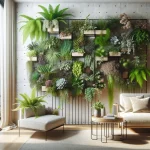
After years of growing in small spaces, from apartment setups to productive balcony gardens, I’ve learned that even a small outdoor space can become one of the best growing spots you have.
A balcony garden gives you access to natural light, fresh air, and room to grow herbs, vegetables, flowers, and even small fruiting plants without needing a yard.
This guide will walk you through balcony garden planning and design, from choosing containers and soil to picking the right plants and making the most of limited space.
🌿 What You’ll Learn
How to plan your balcony garden around sunlight, wind, and weight limits
The best containers and soil mixes for balcony growing
How to choose the right herbs, vegetables, and flowers for your space
Simple watering and maintenance strategies for healthy plants
How to solve common balcony gardening problems like wind and drainage
Balcony garden planning means designing a small outdoor growing space around your available sunlight, weight limits, and plant goals. With the right containers, soil, and plant choices, even a small balcony can produce herbs, vegetables, flowers, and privacy plants.
Understanding Your Balcony Space and Restrictions
Before you buy containers or choose plants, take a close look at the space you actually have. A few simple measurements and observations can help you avoid crowded walkways, struggling plants, and containers that are difficult to move.
Measure Your Usable Space
Measure the length and width of your balcony, but don’t assume every square foot is available for plants. Leave enough room to open doors, reach your containers, water comfortably, and move through the space safely.
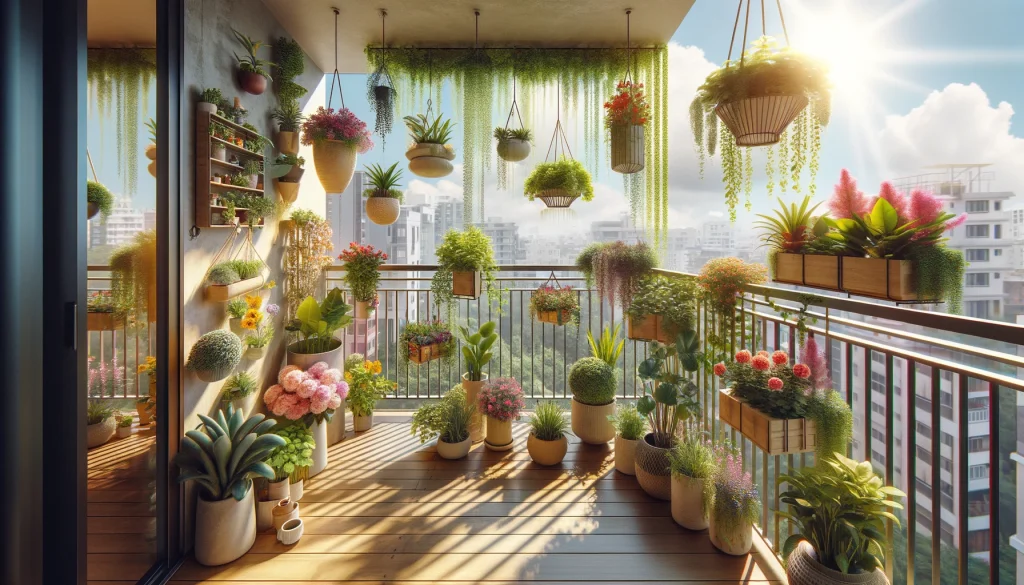
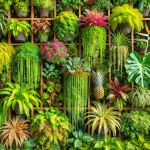
Pay attention to unused areas above the floor. Railings, walls, corners, and overhead space may support hanging baskets, narrow shelves, trellises, or vertical planters. Growing upward can give you much more planting room without making a small balcony feel crowded.
I also like to plan for maintenance before placing anything. If you can’t easily reach a plant to water, prune, or inspect it for pests, that location will quickly become frustrating.
Confirm Weight and Building Restrictions
Containers become surprisingly heavy after you add growing mix, plants, and water. Large ceramic pots and water-filled reservoirs can add even more weight, especially when several containers are grouped together.
Check your lease, condominium rules, or building guidelines before installing railing planters, hanging baskets, privacy screens, trellises, or irrigation systems. If you are unsure about your balcony’s weight capacity, ask your landlord, building manager, or a qualified professional rather than guessing.
Lightweight plastic, resin, and fabric containers can help reduce the load. Coco coir and perlite also create a lighter growing mix than many heavy garden soils. Never use soil taken directly from the ground in balcony containers because it is heavy, compacts easily, and usually drains poorly in pots.
Map Sun, Shade, and Wind
Watch your balcony at several times during the day before choosing plants. Record when direct sunlight reaches the space and how long it stays. A south- or west-facing balcony may receive intense afternoon sun, while a north-facing balcony may remain shaded for most of the day.
Nearby buildings, roof overhangs, railings, and trees can create pockets of sun and shade on the same balcony. Place sun-loving plants in the brightest locations and reserve shaded corners for plants that tolerate lower light.
Wind matters just as much as sunlight. Upper-level balconies can experience strong gusts that dry out containers, damage leaves, and knock over lightweight pots. Notice which areas are exposed and which are protected by walls or railings. Use sheltered spots for delicate plants, and secure tall plants, trellises, hanging baskets, and lightweight containers before windy weather arrives.
Once you understand your available space, building restrictions, sunlight, and wind exposure, choosing containers and plants becomes much easier. You can design the garden around the conditions you actually have instead of trying to force plants into unsuitable locations.
🎨 Design Principles for Balcony Gardens
A well-designed balcony garden is more than just a collection of pots. Good design helps you make the most of your space while creating a comfortable area you’ll actually want to spend time in.
🌈 Use Color to Create Flow
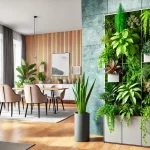
Think about how your balcony connects to your indoor space. Using similar colors in your pots, furniture, and plant choices helps everything feel connected and intentional. Bright flowers can add energy, while greens and neutral tones create a calm, relaxing feel.
🌿 Create Layers and Depth
Mix plant heights to give your balcony garden more dimension. Place taller plants or trellised growers in the back, medium-sized containers in the middle, and trailing plants or herbs near the front. This makes small spaces feel fuller without looking crowded.
🪑 Build a Space You’ll Use
Your balcony garden should be a place you enjoy, not just maintain. Even a small chair, folding stool, or bench can turn it into a relaxing green corner. Add simple touches like cushions, solar lights, or a small table to make the space feel inviting.
The best balcony gardens balance beauty, function, and comfort. A little planning goes a long way toward creating a space that feels bigger, greener, and easier to manage.
🪴 Choosing the Right Containers
Choosing the right containers can make or break your balcony garden. The right pot affects drainage, root growth, plant size, and even how much weight your balcony can safely handle.
🌳 Large Pots for Bigger Plants
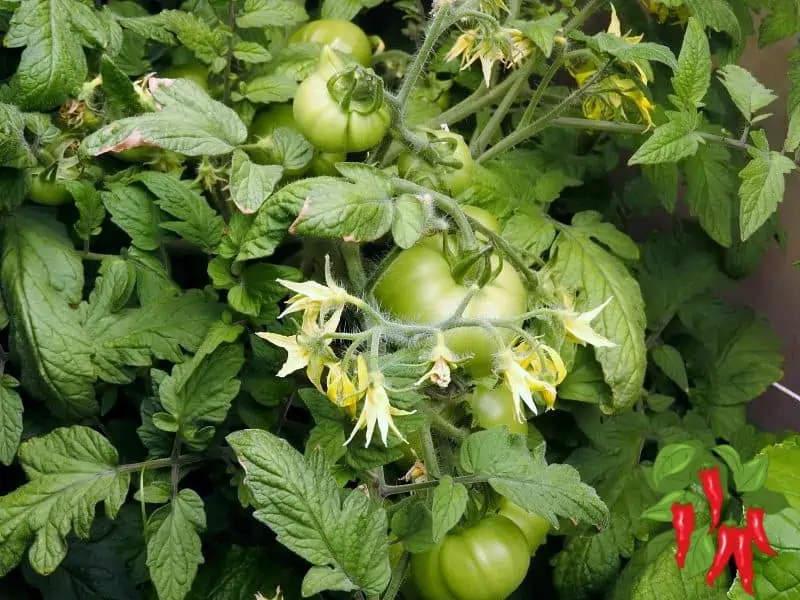
If you have enough space and weight allowance, larger containers are great for tomatoes, peppers, dwarf fruit trees, and larger flowering plants. Bigger pots hold more soil, which helps retain moisture and gives roots room to grow.
🪶 Lightweight Pots for Easy Moving
Plastic, resin, and fabric pots are excellent choices when weight matters. They’re easier to move, often cheaper, and work well for herbs, flowers, and small vegetables. Fabric pots also improve airflow around roots and reduce overwatering problems.
📏 Vertical Containers for Small Spaces
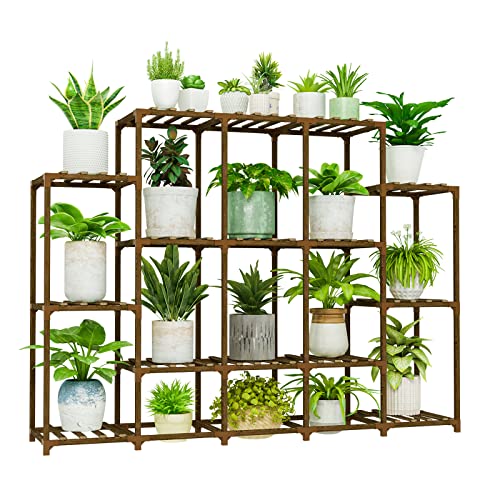
If floor space is limited, think upward. Wall planters, tiered shelves, hanging pockets, and narrow plant stands let you grow more without taking up valuable walking space. Vertical setups work especially well for herbs, strawberries, and trailing plants.
🌿 Railing and Hanging Planters
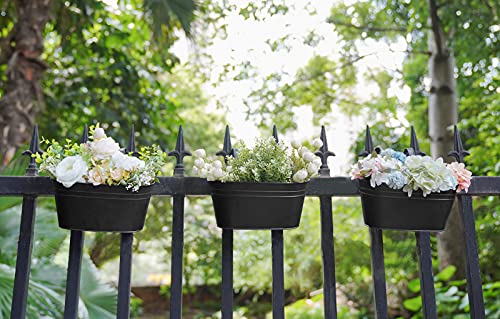
Balcony railings are often underused growing space. Railing planters and hanging baskets are perfect for flowers, herbs, and trailing plants. They add greenery at eye level while keeping the main floor area open and uncluttered.
No matter what type of container you choose, always make sure it has good drainage holes. Healthy roots start with proper drainage, especially in small-space balcony gardens.
🌱 Soil and Plant Nutrition
Healthy balcony plants start with the right growing medium. In containers, your plants rely completely on what you give them, so choosing the right mix matters more than many beginners realize.
🥥 Start with the Right Growing Mix
Personally, I prefer using coco coir and perlite over peat-based potting mixes. Coco coir is renewable, holds moisture well, and stays light and airy longer than many traditional soils. When mixed with perlite, it creates excellent drainage while still keeping enough moisture around the roots.
Peat-based mixes can work, but they tend to compact over time and aren’t as sustainable. For balcony gardening, especially in containers, coco coir gives you better root health and easier watering control.
🍂 Add Compost or Worm Castings for Extra Nutrition
Mixing in compost or worm castings gives your plants a steady source of nutrients and improves the structure of your growing medium. Compost helps support beneficial microbes and can make your plants stronger over time.
💧 Match Water Retention to Your Plants
Different plants have different watering needs. Herbs and leafy greens usually like consistent moisture, while Mediterranean herbs like rosemary and lavender prefer faster-draining mixes. Adjust your coco coir, perlite, and compost ratio based on what you’re growing.
🧪 Feed Container Plants Regularly
Because watering flushes nutrients out of containers over time, balcony plants often need regular feeding. A balanced liquid fertilizer or slow-release organic fertilizer helps keep growth strong through the season, especially for vegetables and flowering plants.
Getting your soil and nutrition right early makes everything easier later. Healthy roots lead to stronger plants, better harvests, and fewer problems as your balcony garden grows.
Selecting Plants for Your Balcony Garden
Choose plants based on your balcony’s sunlight, wind exposure, available space, and watering conditions. Matching plants to the space you actually have will make your garden healthier and much easier to maintain.
Balcony Condition
Good Plant Choices
Planning Tips
Six or more hours of direct sun
Tomatoes, peppers, strawberries, lavender, rosemary, geraniums, and petunias
Use larger containers and check moisture frequently because sunny balconies dry out quickly.
Morning sun or partial shade
Lettuce, parsley, mint, chives, begonias, coleus, and fuchsias
Protect leafy greens and delicate flowers from intense afternoon heat.
Mostly shaded balcony
Ferns, hostas, impatiens, heuchera, ivy, and shade-tolerant herbs
Avoid overwatering because shaded containers generally dry more slowly.
Windy or exposed location
Lavender, rosemary, thyme, sedum, compact ornamental grasses, and low-growing flowers
Choose sturdy, compact plants and secure pots, trellises, and hanging containers.
Very limited floor space
Strawberries, compact herbs, trailing flowers, lettuce, peas, and dwarf beans
Use railing planters, hanging baskets, wall planters, shelves, and narrow vertical systems.
Place fruiting plants in the sunniest area and keep frequently harvested herbs within easy reach.
Privacy needed
Clumping bamboo in containers, tall ornamental grasses, clematis, jasmine, and compact climbing vines
Confirm that screens and trellises are permitted, and secure them carefully against wind.
Low-maintenance garden
Sedum, thyme, lavender, hardy geraniums, ornamental grasses, and drought-tolerant flowers
Group plants with similar water needs and consider self-watering planters for consistent moisture.
Start with a few plants that match your strongest growing conditions. You can always add more once you understand how quickly containers dry, where wind causes problems, and which parts of the balcony receive the best light.
💧 Watering and Maintenance Strategies
Watering is one of the biggest challenges with balcony gardening. Containers dry out faster than in-ground gardens, especially during warm weather or windy conditions. A good watering system can save time and prevent a lot of plant stress.
🪴 Self-Watering Planters Make Life Easier
I’m a big fan of self-watering planters for most balcony plants. They’re especially helpful if you’re busy, travel often, or tend to overwater. The built-in reservoir lets plants pull up moisture as needed, which keeps the root zone more consistent and reduces watering mistakes.
They’re also one of the cleanest options for balconies. When used with hanging planters or indoor-outdoor setups, they help eliminate water dripping onto floors, furniture, or neighbors below.
🚿 Water with a Plan
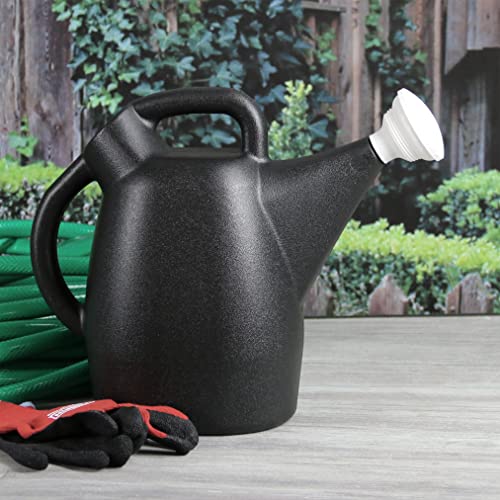
If you’re using regular pots, a lightweight watering can works well for most balconies. For larger setups, a simple drip irrigation system can save time and deliver water more evenly, especially in hot weather.
✂️ Keep Up with Regular Maintenance
Balcony plants need regular checkups. Trim dead growth, harvest herbs often, and keep an eye out for pests or nutrient issues. Feeding container plants regularly is important too, since nutrients wash out faster with frequent watering.
A simple routine goes a long way. Stay consistent, and your balcony garden will stay healthier, cleaner, and easier to manage.
⚠️ Overcoming Balcony Gardening Challenges
Balcony gardens come with a few challenges, but most are easy to manage once you know what to expect. A few simple adjustments can keep your plants healthier and your space easier to maintain.
🌬️ Wind Exposure
High balconies can be windy, which dries out soil faster and can damage stems. Use heavier pots, secure lightweight containers, and choose tougher plants if your space gets strong wind.
💧 Water Runoff
Overflowing water can stain floors or drip onto neighbors below. Use trays, self-watering planters, or raised saucers to catch excess water and keep things clean.
🐦 Birds and Pests
Birds, squirrels, and insects may show up once your plants start growing. Netting, simple barriers, or regular inspections can help protect your plants before damage gets out of hand.
❄️ Cold Weather Protection
When temperatures drop, group plants together for warmth and move sensitive ones closer to walls or indoors if possible. Wrapping pots can also help protect roots during cold snaps.
A little preparation makes balcony gardening much easier. Once you learn your space, handling these challenges becomes part of the routine.
Balcony Garden Planning and Design FAQs
How do you start a balcony garden?
Start by measuring your usable space and observing how much direct sunlight and wind the balcony receives. Check your building rules and any weight restrictions before adding large containers, railing planters, trellises, or hanging baskets.
Choose a few plants that match those conditions rather than filling the entire balcony at once. Starting small gives you time to learn how quickly the containers dry, where plants grow best, and how much maintenance the garden requires.
How much weight can a balcony garden hold?
Balcony weight limits vary by building, construction type, and local requirements. Wet growing mix, large containers, water reservoirs, furniture, and people all contribute to the total load.
Do not guess how much weight your balcony can safely support. Check with your landlord, building manager, condominium association, or a qualified professional before installing large or unusually heavy containers. Lightweight pots and coco coir-based growing mixes can help reduce weight, but they do not replace proper confirmation.
What containers work best for a balcony garden?
Plastic, resin, and fabric pots are good balcony choices because they are lighter than most ceramic or concrete containers. Railing planters, hanging baskets, narrow shelves, and vertical systems can help you grow more while preserving floor space.
Match the container size to the mature plant. Herbs and small flowers can grow in compact pots, while tomatoes, peppers, shrubs, and dwarf fruit trees need larger containers. Every regular container should have adequate drainage.
I also like self-watering planters for balcony gardens. They provide more consistent moisture and help prevent water from dripping onto floors, furniture, or neighbors below when used correctly.
What is the best growing mix for balcony plants?
I prefer coco coir and perlite over peat-based potting mixes for most of my container growing. Coco coir holds moisture while remaining light and airy, and perlite improves drainage and allows more oxygen to reach the roots.
A practical starting mix is approximately two parts buffered coco coir to one part perlite. You can adjust the ratio depending on the plant. Moisture-loving plants may benefit from more coco coir, while plants that need faster drainage can use additional perlite.
For herbs, flowers, and other conventionally grown container plants, you can add a modest amount of finished compost or worm castings. Coco coir and perlite provide very little nutrition on their own, so plants also need a fertilizer appropriate for what you are growing. Fruiting vegetables generally require a different feeding program than herbs, leafy greens, succulents, or flowering ornamentals.
How do you keep balcony plants watered?
Check the growing mix regularly rather than watering on a rigid schedule. Sun, heat, wind, plant size, and container size can all change how quickly a pot dries. Small containers and hanging baskets usually need attention more often than large pots.
Self-watering planters are one of my favorite options because the reservoir allows plants to draw up moisture as needed. For larger balcony gardens, a simple drip system can make watering more consistent. Use trays or contained reservoirs where necessary to prevent runoff from dripping below.
What plants work well on a windy balcony?
Compact plants with sturdy stems generally handle wind better than tall plants with large, delicate leaves. Depending on the available sunlight, good choices may include thyme, lavender, rosemary, sedum, hardy geraniums, low-growing flowers, and compact ornamental grasses.
Place delicate plants near a protected wall or in a sheltered corner. Use stable containers, secure trellises, and avoid placing lightweight hanging objects where strong gusts could dislodge them. Wind also dries containers quickly, so check moisture more frequently during windy weather.
Can you grow vegetables on an apartment balcony?
Yes. Many vegetables grow well on balconies when they receive enough light and have appropriately sized containers. Lettuce, spinach, radishes, herbs, compact peppers, cherry tomatoes, dwarf beans, and strawberries are useful choices for limited spaces.
Place fruiting vegetables in the sunniest available location and provide support where needed. Feed them regularly because frequent watering can carry nutrients out of the container. With coco coir and perlite, consistent fertilization is especially important because the mix does not naturally supply all the nutrients vegetables need.
Balcony Garden Planning and Design Final Thoughts
A successful balcony garden starts with understanding the space you have. Sunlight, wind, weight limits, building rules, and access to water should guide every decision you make.
Start with a few plants that match your balcony’s conditions. Use lightweight containers where weight matters, grow vertically when floor space is limited, and choose a coco coir and perlite mix that provides a good balance of moisture and drainage.
I’m also a big fan of self-watering planters for balcony gardens. They make watering more consistent, help busy growers avoid common mistakes, and reduce the chance of water dripping onto floors, furniture, or neighbors below.
You do not need to fill the entire balcony at once. Begin with a manageable setup, watch how the plants respond, and make adjustments as you learn more about your space. With thoughtful planning, even a small balcony can become a productive and enjoyable place to grow.
🌿 Explore More Balcony and Small-Space Gardening Guides