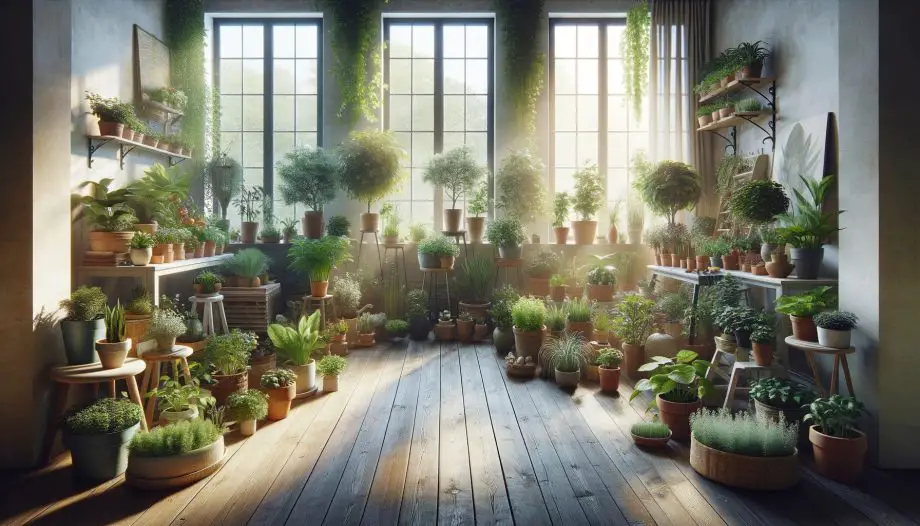
After years of growing indoors in small apartments, hydro setups, and stacked planters, I’ve learned that vertical gardening is one of the smartest ways to grow more without needing more floor space.
Indoor vertical gardening makes it possible to grow herbs, vegetables, houseplants, and even strawberries by using walls, shelves, towers, and hanging systems instead of traditional pots spread across the floor.
Whether you’re working with a sunny wall, a small apartment corner, or a dedicated grow shelf, this guide will show you how to build a practical vertical garden that fits your space and growing goals.
🌿 What You’ll Learn
How to design an indoor vertical garden for small spaces
The best plants for walls, towers, and shelves
How to water and feed vertical gardens properly
DIY and ready-made vertical gardening systems
How to avoid common vertical gardening problems indoors
Indoor vertical gardening is a space-saving way to grow plants upward using walls, shelves, towers, hanging baskets, or stacked systems. It works especially well for apartments, herbs, leafy greens, strawberries, and compact houseplants.
Indoor Vertical Gardening
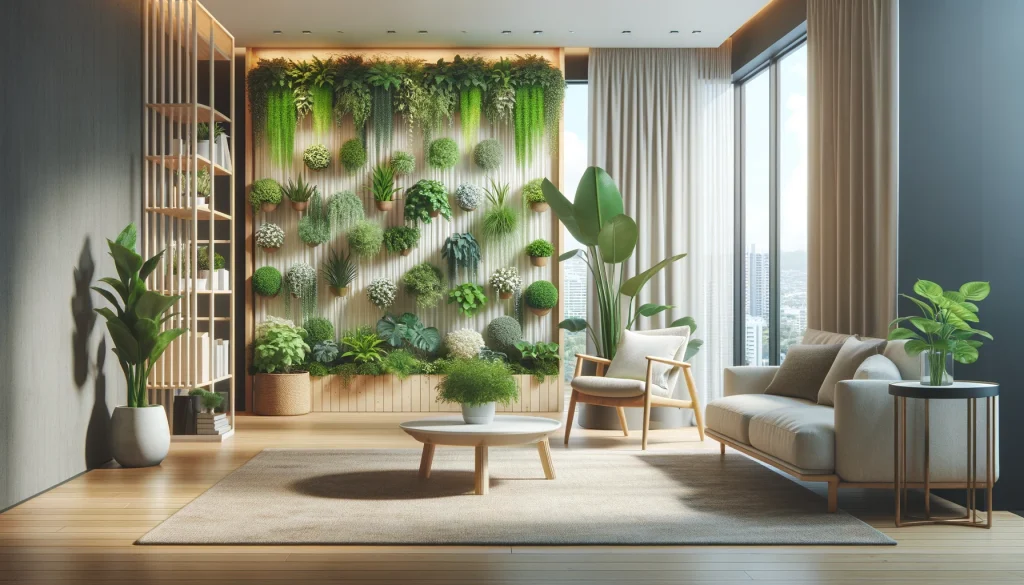
Indoor vertical gardening is a fantastic way to bring the beauty and benefits of nature into your home, even in small spaces.
Whether you’re a seasoned gardener or just starting, this method makes growing plants indoors both fun and practical.
Ready to transform your living space into a lush green oasis?
Designing Vertical Gardens Indoors
Creating an indoor vertical garden is a fun and rewarding way to bring some green into your home.
It’s amazing how even a small space can be transformed into a lush, living wall.
Ensure the location is easily accessible for maintenance.
Consider how close it is to your water supply.
Design styles and aesthetics
Choose a design that matches your home’s decor.
Think about the colors and textures of the plants.
Decide between a uniform look or a mix of different plants.
Incorporate elements like shelves or hanging pots.
Incorporating vertical gardens into existing decor
Blend the garden with your current furniture and decorations.
Use complementary colors to enhance the room’s look.
Add decorative elements like lights or small sculptures.
Make the garden a focal point of the room.
Ready to get started? A little planning goes a long way in creating a beautiful and thriving indoor vertical garden.
Suitable Plants for Vertical Gardening
Choosing the right plants is key to a successful indoor vertical garden. Not all plants thrive in the same conditions, so it’s important to pick ones that will do well in your specific setup.
Let’s explore some great options for your vertical garden that will keep it looking vibrant and healthy.
Best plants for low light conditions
Pothos: Hardy and adaptable, perfect for low light.
Snake plant: Survives with minimal sunlight.
Philodendron: Thrives in indirect light.
Ferns: Great for shaded areas, adding lush greenery.
Fast-growing vs. slow-growing plants
Fast-growing: Herbs like basil and mint; they fill spaces quickly and are easy to manage.
Slow-growing: Succulents and cacti; require less maintenance and grow steadily over time.
Combination: Mix both for a balanced and dynamic vertical garden.
Edible plants for vertical gardens
Herbs: Basil, parsley, and mint are easy to grow and useful in the kitchen.
Leafy greens: Lettuce, spinach, and kale can be harvested continuously.
Small fruits: Strawberries and cherry tomatoes add color and flavor.
Flowering plants and their care
Orchids: Need bright, indirect light and regular watering.
Begonias: Thrive in low light and require consistent moisture.
Impatiens: Perfect for shaded areas, with vibrant blooms.
Care tips: Regular deadheading, proper watering, and ensuring enough light for blooms.
Selecting the right plants can make all the difference in your vertical garden. Whether you want low-maintenance greenery, quick harvests, or beautiful flowers, there’s a plant for every need.
Irrigation Solutions for Vertical Gardens
Keeping your vertical garden properly watered is essential for its success. Different setups may require different irrigation methods, so it’s good to know your options.
Let’s look at some effective ways to ensure your plants get the water they need.
Drip irrigation systems
Efficiency: Delivers water directly to the roots.
Customization: This can be tailored to different plant needs.
Automation: Easily set up with timers for consistent watering.
Installation: Requires some initial setup but saves time in the long run.
Self-watering planters
Convenience: Ideal for busy schedules.
Reservoir system: Plants draw water as needed from a built-in reservoir.
Maintenance: Fewer refills compared to traditional watering.
Suitability: Great for small plants and herbs.
Manual watering techniques
Control: Allows you to monitor plant health closely.
Flexibility: Adjust watering based on daily plant needs.
Tools: Use watering cans or hoses with gentle spray nozzles.
Frequency: Regular checks to ensure consistent moisture levels.
Water conservation methods
Mulching: Helps retain soil moisture and reduce evaporation.
Rainwater harvesting: Collect and use rainwater for your garden.
Hydrogels: These water-absorbing crystals can be mixed with soil to retain moisture.
Efficient watering: Water in the early morning or late evening to minimize evaporation.
Choosing the right irrigation solution can make all the difference in maintaining a healthy vertical garden.
Whether you prefer automation, self-watering systems, or manual techniques, there’s an option to fit your lifestyle and garden needs.
DIY Vertical Garden Frames
Building your own vertical garden frame is a rewarding project that lets you customize your garden to fit your space and style.
Plus, it’s a fun way to get hands-on with your gardening. Let’s walk through how to create a sturdy and attractive vertical garden frame.
Materials needed for building frames
Wood: Sturdy and easy to work with.
Metal pipes: Durable and can support heavier plants.
PVC pipes: Lightweight and versatile.
Fasteners: Screws, nails, and brackets for assembly.
Tools: Saw, drill, measuring tape, and screwdriver.
Step-by-step construction guides
Measure and cut: Measure your space and cut the materials to size.
Assemble the frame: Use screws or brackets to connect the pieces.
Add shelves or supports: Attach horizontal supports for planters.
Secure the frame: Mount the frame to the wall or ensure it’s free-standing.
Check for stability: Ensure everything is secure and sturdy.
Tips for stability and durability
Anchoring: Secure the frame to a wall or sturdy base.
Reinforcement: Add extra supports if you’re using heavy planters.
Weatherproofing: Treat wood to protect against moisture.
Regular checks: Periodically check for and fix any loose parts.
Customizing frames for aesthetics
Paint or stain: Match the frame color to your room’s decor.
Decorative elements: Add hooks, lights, or small decorative items.
Plant variety: Mix different plants for a vibrant look.
Personal touches: Incorporate elements like family photos or small art pieces.
Creating your own vertical garden frame lets you design a setup that fits perfectly in your home.
With the right materials and a little bit of effort, you can build a beautiful and functional garden that will bring life to any space.
Pre-fabricated Vertical Garden Kits
If you’re looking for a quick and easy way to start your indoor vertical garden, pre-fabricated kits are a fantastic option.
They come with everything you need to get started and often include some helpful features.
Let’s dive into the top brands, installation tips, cost comparisons, and user experiences.
Top brands and their features
Living Wall Planters: Known for their modular and flexible designs. They use breathable fabric pockets that are easy to install.
Vertical Gardens: Offers sturdy, stackable units that are great for small spaces.
Click and Grow: A smart garden system that uses automated watering and lighting. Ideal for tech-savvy gardeners.
Installation process
Unpack the kit: Lay out all the parts and read the instructions carefully.
Assemble the frame: Follow the guide to put together the main structure.
Mounting: Secure the frame to your chosen wall or set it up as a free-standing unit.
Add plants: Fill the pockets or planters with soil and plants.
Watering system: Connect any built-in irrigation systems and ensure they are working properly.
Comparing costs and benefits
Initial investment: Kits range from budget-friendly to high-end, depending on materials and features.
Convenience: Pre-fabricated kits save time and effort compared to DIY setups.
Longevity: Higher-quality kits often last longer and require less maintenance.
Customization: Some kits offer limited customization, while others can be expanded or modified.
User reviews and experiences
Positive feedback: Many users appreciate the ease of installation and the stylish designs of pre-fabricated kits.
Challenges: Some users report issues with durability or the need for additional support.
Success stories: Plenty of gardeners share how these kits have transformed their indoor spaces into green havens.
Tips from users: Reading reviews can provide insights into the best ways to use and maintain these systems.
Pre-fabricated vertical garden kits offer a convenient and stylish solution for those wanting to bring a touch of green indoors without the hassle of building from scratch.
Whether you’re a beginner or an experienced gardener, there’s likely a kit out there that fits your needs perfectly.
Natural air filters: Plants help remove toxins from the air, improving overall air quality.
Oxygen production: More plants mean more oxygen, leading to a fresher indoor environment.
Humidity regulation: Plants release moisture, which can help maintain a comfortable humidity level indoors.
Health benefits: Cleaner air can reduce allergies and respiratory issues.
Enhancing home aesthetics
Visual appeal: Vertical gardens add a unique and beautiful element to home decor.
Customization: Choose plants and designs that complement your home’s style.
Living art: Create a dynamic, ever-changing piece of living art.
Color and texture: Add variety and interest to any room with different plants and arrangements.
Reducing stress and boosting mood
Calming effect: Being around plants has been shown to reduce stress levels.
Mood enhancement: The presence of greenery can boost your mood and overall well-being.
Therapeutic activity: Gardening itself can be a relaxing and rewarding hobby.
Connection to nature: Bringing nature indoors helps create a peaceful and serene environment.
Vertical indoor gardening isn’t just about saving space; it’s about creating a healthier, more beautiful, and happier home.
Whether you’re looking to breathe easier, enjoy some greenery, or simply add a touch of nature to your decor, vertical gardening has something to offer.
Seasonal Changes and Vertical Gardens
Seasonal changes can have a big impact on your vertical garden, and knowing how to adapt will keep your plants healthy year-round.
From choosing the right plants to adjusting your care routine, let’s look at how to handle the different seasons in your vertical garden.
Adapting to different seasons
Temperature control: Use heaters or fans to maintain a stable temperature.
Light adjustments: Supplement natural light with grow lights in winter.
Humidity management: Use humidifiers or dehumidifiers to maintain optimal humidity levels.
Air circulation: Ensure good air circulation to prevent mold and pests.
Seasonal plant choices
Spring and summer: Opt for fast-growing, sun-loving plants like herbs and tomatoes.
Fall: Choose hardy plants that can handle cooler temperatures, such as kale and chard.
Winter: Go for low-light, cold-tolerant plants like ferns and ivy.
Year-round options: Some plants, like pothos and philodendrons, thrive in any season with proper care.
Adjusting care routines
Watering: Increase watering frequency in summer and reduce it in winter.
Fertilizing: Use a balanced fertilizer during the growing season and reduce feeding in dormant periods.
Pruning: Trim back plants more aggressively in spring and summer to encourage growth.
Pest control: Be vigilant for seasonal pests and treat them promptly.
Preparing for extreme weather conditions
Heatwaves: Provide extra shade and increase watering to prevent heat stress.
Cold snaps: Bring sensitive plants indoors or use frost covers to protect them.
Storms: Secure your vertical garden structure to prevent damage from high winds.
Drought: Implement water-saving techniques like mulching and using drought-tolerant plants.
By adapting your vertical garden to the changing seasons, you can ensure that it remains a thriving and vibrant part of your home.
Seasonal adjustments in plant selection and care routines are key to maintaining a healthy and beautiful garden all year long.
Choosing the right plants and placing them correctly is crucial for a thriving vertical garden.
Whether you’re working with low light or lots of sunshine, mixing different types of plants can create a stunning and healthy display. Here’s how to get it right.
Light requirements and plant placement
Assess light levels: Identify areas with direct, indirect, or low light.
Place accordingly: Position sun-loving plants like herbs and succulents in brighter spots.
Shade plants: Use low-light plants like ferns and philodendrons in shaded areas.
Rotating plants: Move plants around occasionally to ensure even light exposure.
Mixing and matching plant types
Variety: Combine different types of plants (foliage, flowering, and edible) for a dynamic look.
Height differences: Use tall plants at the top and shorter ones at the bottom to create layers.
Color contrast: Mix plants with different leaf colors and textures for visual interest.
Growth rates: Combine fast-growing plants with slower ones to maintain balance.
Creating visual balance
Symmetry: Arrange plants symmetrically for a formal, balanced look.
Asymmetry: For a more natural look, place plants asymmetrically but ensure visual harmony.
Repetition: Repeat certain plants or colors throughout the garden to create cohesion.
Focal points: Use striking plants or decorations as focal points to draw the eye.
Companion planting for health and growth
Beneficial pairings: Pair plants that support each other’s growth, like basil and tomatoes.
Pest control: Use companion plants that repel pests, such as marigolds with vegetables.
Nutrient sharing: Combine plants with different nutrient needs to avoid competition.
Space optimization: Use vining plants with bushy plants to maximize vertical space.
By carefully selecting and placing your plants, you can create a beautiful and healthy vertical garden that thrives in its environment.
The right combination of light, variety, visual balance, and companion planting will ensure your garden looks great and grows well.
Nutrient Management in Vertical Gardens
Proper nutrient management is essential for keeping your vertical garden healthy and productive.
With the right fertilization schedule and understanding of nutrient types, you can ensure your plants get everything they need.
Let’s explore how to manage nutrients effectively in your vertical garden.
Fertilization schedules
Regular feeding: Fertilize every 2-4 weeks during the growing season.
Dormant periods: Reduce or stop fertilizing during the winter months.
Specific needs: Adjust the schedule based on plant type and growth stage.
Liquid vs. slow-release: Use liquid fertilizers for quick absorption or slow-release granules for consistent feeding.
Organic vs. synthetic nutrients
Organic nutrients: Derived from natural sources like compost, manure, and bone meal. They improve soil health and provide a slow, steady release of nutrients.
Synthetic nutrients: Manufactured chemicals that provide immediate nutrient availability. They are easy to apply and control but may not improve soil structure.
Combination approach: Many gardeners use a mix of both to balance immediate needs and long-term soil health.
Signs of nutrient deficiencies
Yellowing leaves: Often indicates a lack of nitrogen.
Stunted growth: Can be due to phosphorus deficiency.
Purple or red leaves: May signal a lack of phosphorus or nitrogen.
Poor flowering or fruiting: Often a sign of potassium deficiency.
Browning edges: Could indicate a lack of potassium or over-fertilization.
Soil amendments and enhancements
Compost: Adds organic matter and improves soil structure and fertility.
Worm castings: Rich in nutrients and beneficial microbes.
Bone meal: A great source of phosphorus for root and flower development.
Epsom salts: Provide magnesium, essential for photosynthesis.
Rock dust: Adds trace minerals and micronutrients.
By managing the nutrients in your vertical garden carefully, you can ensure your plants grow strong and healthy.
Regular fertilization, understanding nutrient types, recognizing deficiency signs, and using soil amendments will keep your garden lush and productive.
Lighting Solutions for Vertical Settings
Proper lighting is crucial for the health and growth of your vertical garden.
Different plants have different light needs, and using the right lighting solutions can make a big difference.
Here’s how to ensure your vertical garden gets the light it needs to thrive.
Types of grow lights
LED lights: Energy-efficient and long-lasting, offering a full spectrum of light.
Fluorescent lights: Good for smaller setups, available in T5 and T8 sizes.
HID lights: High-intensity discharge lights are powerful but generate a lot of heat.
CFL bulbs: Compact fluorescent lights are suitable for small spaces and seedlings.
Positioning lights for optimal growth
Distance: Keep lights at the right distance from plants to avoid burning or stretching.
LEDs: 12-24 inches above the plants.
Fluorescent: 6-12 inches above the plants.
HID: 24-36 inches above the plants.
Angle: Position lights to cover the entire plant area evenly.
Adjustability: Use adjustable fixtures to change light height as plants grow.
Reflectors: Use reflectors or white walls to maximize light efficiency.
Light cycles and plant health
Seedlings: 16-18 hours of light per day to encourage growth.
Vegetative stage: 14-16 hours of light per day.
Flowering stage: 12 hours of light and 12 hours of darkness to promote blooming.
Consistency: Maintain regular light cycles to avoid stressing plants.
Timers: Use timers to automate light cycles and ensure consistency.
Energy-efficient lighting options
LED lights: Use less electricity and produce less heat, making them the most energy-efficient option.
CFL bulbs: More efficient than traditional incandescent bulbs and suitable for small setups.
Fluorescent lights: T5 fixtures are particularly energy-efficient and good for low light setups.
Dimmable options: Consider dimmable lights to adjust intensity and save energy.
Choosing the right lighting solutions for your vertical garden can significantly impact plant health and growth.
By selecting appropriate grow lights, positioning them correctly, managing light cycles, and opting for energy-efficient options, you can create an ideal growing environment for your indoor plants.
Indoor Climbing Plants
Indoor climbing plants can add a lush, green aesthetic to your home, turning any vertical space into a living wall.
With the right plants and support, you can create a beautiful indoor jungle. Here’s how to choose and care for indoor climbers.
Best climbing plants for indoors
Pothos: Hardy and versatile, perfect for low light and easy to train.
Philodendron: Heartleaf varieties are especially good climbers.
Ivy: English ivy thrives indoors and adapts well to various light conditions.
String of Hearts: Delicate and beautiful, great for hanging baskets and vertical gardens.
Climbing fig (Ficus pumila): A fast grower that clings well to supports.
Training plants to climb
Start early: Begin training plants while they are young and flexible.
Guidance: Use soft ties or clips to gently guide stems in the desired direction.
Regular adjustment: Check and adjust ties regularly to avoid constriction.
Encouragement: Pinch back new growth to encourage bushiness and more climbing stems.
Supporting structures and trellises
Trellises: Install trellises against walls or in pots to give plants something to climb.
Poles and stakes: Use moss poles or stakes in pots for support.
Wires and strings: Create a network of wires or strings for plants to climb on walls.
Wall-mounted grids: Attach grids or lattice panels to walls for a structured climbing area.
Care and maintenance of climbers
Pruning: Regularly prune to control size and encourage fuller growth.
Watering: Keep the soil consistently moist but not waterlogged.
Feeding: Fertilize monthly during the growing season with a balanced fertilizer.
Humidity: Many climbers prefer higher humidity; use a humidifier or mist regularly.
Pest control: Check for pests like spider mites and treat promptly.
Indoor climbing plants can transform your home into a green oasis.
By selecting the best climbers, providing proper training and support, and maintaining their care, you’ll enjoy a thriving vertical garden that brings life and beauty to your space.
Vertical Hydroponics
Vertical hydroponics combines the space-saving benefits of vertical gardening with the efficiency of hydroponic systems.
This method can yield impressive results and is perfect for those looking to maximize their indoor gardening space.
Let’s explore the basics, building a system, suitable plants, and maintenance tips.
Basics of hydroponic systems
Water-based growth: Plants grow in a nutrient-rich water solution instead of soil.
Types of systems: Common types include NFT (Nutrient Film Technique), DWC (Deep Water Culture), and aeroponics.
Components: Key parts include a water reservoir, pump, grow lights, and a structure to hold plants.
Nutrients: Hydroponic systems require specific nutrient solutions tailored to the plants’ needs.
Building a vertical hydroponic garden
Framework: Construct a sturdy vertical frame using materials like PVC pipes or metal racks.
Reservoir: Place a water reservoir at the base to hold the nutrient solution.
Pump and tubing: Install a pump to circulate the nutrient solution through tubing to the plants.
Plant holders: Use net pots or cups to hold the plants in place within the system.
Lighting: Set up grow lights to ensure plants receive adequate light for photosynthesis.
Assembly: Connect the pump and tubing, fill the reservoir with the nutrient solution, and place plants in their holders.
Suitable plants for hydroponics
Leafy greens: Lettuce, spinach, and kale thrive in hydroponic systems.
Herbs: Basil, mint, and parsley grow well and are easy to maintain.
Fruiting plants: Tomatoes, peppers, and strawberries can be grown, but may require more care and space.
Fast growers: Choose fast-growing plants for quick yields and efficient use of space.
Maintenance and troubleshooting
Regular checks: Monitor pH and nutrient levels regularly to ensure optimal plant health.
Water changes: Replace the nutrient solution every 1-2 weeks to prevent nutrient imbalances and algae growth.
Pest control: Keep an eye out for pests and treat promptly to prevent infestations.
System cleaning: Clean the entire system periodically to remove any buildup and maintain hygiene.
Troubleshooting: Address common issues such as root rot, nutrient deficiencies, and pump malfunctions promptly.
Vertical hydroponics is an efficient and space-saving method to grow a variety of plants indoors.
With the right setup and regular maintenance, you can enjoy a bountiful and healthy garden year-round. Happy gardening!
Troubleshooting Vertical Garden Issues
Every gardener encounters challenges, and vertical gardening is no exception.
Whether you’re dealing with pests, nutrient problems, or struggling plants, knowing how to troubleshoot common issues can keep your garden thriving.
Here’s a guide to solving some typical vertical garden problems.
Common problems and solutions
Wilting plants: Often caused by under or overwatering. Check the soil moisture and adjust watering habits.
Yellow leaves: Could indicate a nutrient deficiency or overwatering. Test the soil and adjust nutrient levels accordingly.
Poor growth: May be due to insufficient light or nutrients. Ensure plants receive adequate light and balanced fertilization.
Root rot: Usually a result of poor drainage or overwatering. Improve drainage and reduce watering frequency.
Dealing with pests and diseases
Aphids: Spray plants with a mixture of water and a few drops of dish soap or use neem oil.
Spider mites: Increase humidity and wipe leaves with a damp cloth. Use insecticidal soap if necessary.
Fungal infections: Ensure good air circulation and avoid overhead watering. Remove infected leaves and treat with fungicide.
Preventative measures: Regularly inspect plants for early signs of pests and diseases. Maintain cleanliness around the garden.
Addressing nutrient imbalances
Nitrogen deficiency: Yellowing leaves and stunted growth. Add a nitrogen-rich fertilizer.
Phosphorus deficiency: Dark, dull leaves and poor flowering. Use a fertilizer with a higher phosphorus content.
Potassium deficiency: Yellowing or browning leaf edges. Apply a potassium-rich fertilizer.
Micronutrient deficiencies: Look for specific symptoms like yellow veins or distorted growth. Use a balanced fertilizer that includes micronutrients.
Reviving struggling plants
Re-potting: Move the plant to fresh soil if it seems root-bound or the soil is depleted.
Pruning: Remove dead or unhealthy leaves to direct energy to new growth.
Adjusting light: Move the plant to a better-lit area or adjust artificial lighting.
Consistent care: Stick to a regular watering and feeding schedule to support recovery.
Troubleshooting your vertical garden issues quickly and effectively can make all the difference in maintaining a healthy, beautiful garden.
Keep an eye on your plants, make adjustments as needed, and you’ll be able to handle any problems that come your way. Happy gardening!
Indoor Vertical Gardening Conclusion
Vertical gardening is a fantastic way to maximize space, enhance your home’s aesthetics, and enjoy the many benefits of gardening, even indoors.
From selecting the right plants and ensuring proper lighting to managing nutrients and incorporating art, each aspect contributes to a thriving and beautiful vertical garden.
Whether you’re just starting out or looking to expand your green thumb, these tips and techniques will help you create a stunning vertical garden that suits your needs and style.
Happy gardening, and don’t forget to enjoy the process as much as the result! Let’s recap:
Maximize Space and Beauty
Make the most of limited space
Transform small areas into lush, green environments
Fit more plants into your home for a stunning visual impact
Choose the Right Plants
Consider light requirements
Select plants with compatible growth habits
Ensure a healthy and vibrant garden
Ensure Proper Lighting
Use the right types of grow lights
Position lights correctly
Maintain appropriate light cycles for plant health
Manage Nutrients Effectively
Follow a regular fertilization schedule
Choose between organic and synthetic nutrients
Address signs of nutrient deficiencies promptly
Incorporate Art and Design
Use decorative pots and planters
Add sculptures and ornaments
Arrange plants creatively to enhance aesthetic appeal
Enjoy the Benefits
Improve indoor air quality
Reduce stress and boost mood
Engage in community projects and share your passion
Final Thoughts
Creating and maintaining a vertical garden is a rewarding and enjoyable endeavor.
By following these guidelines and embracing the joys of gardening, you can cultivate a thriving, beautiful vertical garden that enhances your living space and well-being.