After years of growing vegetables in soil, hydroponics, and coco coir, I’ve found coco to be one of the best indoor growing mediums for small-space gardening.
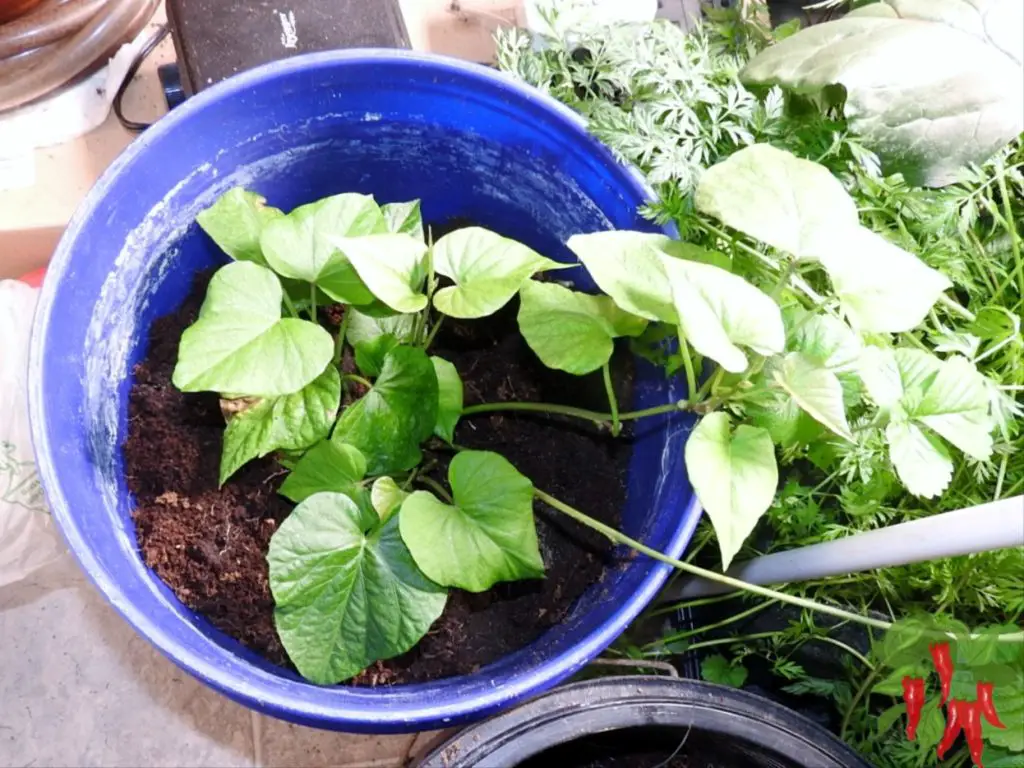
It’s lighter than potting soil, holds moisture well, drains fast, and gives roots excellent oxygen. I’ve used it for tomatoes, peppers, beans, potatoes, and even sweet potatoes with strong results.
This guide will show you how to grow vegetables in coco coir indoors, how to prepare it properly, feed it correctly, and avoid the common mistakes beginners make.
🥥 What You’ll Learn
Why coco coir works so well for indoor vegetables
How to prepare, buffer, and fertilize coco coir properly
The best containers for growing in coco
How often to water and feed vegetables in coco coir
Growing vegetables in coco coir indoors gives plants excellent drainage, strong root oxygen, and steady moisture retention. Coco works especially well for tomatoes, peppers, beans, herbs, and leafy greens when paired with regular feeding and cal-mag.
Growing Vegetables in Coco Coir Indoors
Growing vegetables in coco coir indoors is a sustainable and easy way to enjoy fresh, healthy produce year-round.
Not only does it provide you with fresh, healthy produce year-round, but it also allows you to have control over what goes into your food and where it comes from.
A great medium for growing vegetables indoors is coco coir, which is a sustainable natural product and an easy-to-use alternative to traditional soil.
Coco coir is sometimes called coco peat. I don’t like to use that term because it is superior to peat moss in every way.
In this blog post, we’ll go over the benefits of using coco coir for indoor vegetable gardening, how to choose the right containers and prepare the coco coir, and tips for planting and caring for your indoor vegetable garden.
What is Coco Coir?
Coco coir, also known as coconut coir or coco peat, is a natural fiber made from the husks of coconuts. It is a byproduct of the coconut industry, so it is a sustainable alternative to traditional soil.
Coco coir has a number of benefits for indoor vegetable gardening making it an excellent choice.
It is lightweight and easy to work with, and it retains moisture well, making it perfect for plants that require regular watering.
It also promotes healthy root growth and is excellent for starting seeds. Coco is also popular in hydroponic systems because it is an inert growing medium.
There are many reasons why coco coir is a better choice for your indoor vegetable garden.
From the coconut husk which is a waste product, we get coco fiber and coco chips. Chips are often used to aerate soil but are usually not grown in directly.
First, coco coir is a more sustainable option than peat. Peat is a type of organic matter that forms in wetlands and bogs, and it takes thousands of years for peat bogs to form.
It grows at the rate of .02 inches or 1/2 cm per year so it is not really a renewable resource.
Sphagnum peat moss is often harvested for use in horticulture, which can have negative impacts on the environment, such as habitat destruction and carbon emissions.
In contrast, coco coir is a byproduct of the coconut industry, so it is a more environmentally friendly option.
Second, coco coir is more versatile than peat. It can be used as a soil amendment or as a standalone growing medium, and it is suitable for a wide range of plants.
Sphagnum moss, on the other hand, is often used as a soil amendment, but it is not suitable as a standalone growing medium because it is too acidic for healthy plant growth.
Peat is the main ingredient in most potting mixes. It must be limed and treated with wetting agents before it can be used. Coconut coir is ready to use right out of the bag.
The use of coco coir makes it possible to use smaller containers because it is more efficient. It is also much lighter than soil mixes. If you are using a 5-gallon pot of soil it can be replaced with only 3 gallons of coco coir.
This means you need less growing media and pots are lighter and easier to use and move around.
Peat compacts over time while coco does not. Peat requires mixing with perlite to counteract compacting. Tight soils restrict healthy root growth and cause drainage problems.
Coco provides a much better soil structure without adding any soil amendments.
Finally, coco coir is more durable and long-lasting than peat. It is more resistant to pests and diseases, and it does not break down as quickly as peat. Coco coir can be reused.
This means that it can be used for longer periods of time without needing to be replaced, making it a more cost-effective option in the long run.
Coco Water Holding Capacity
Water holding capacity is a term used to describe the water-to-air ratio. It is important for roots to have access to oxygen as well as water.
Coco coir has a high water-holding capacity, which means that it can retain a large amount of water while still allowing for good air circulation, without becoming waterlogged or compacted.
This excellent water retention makes it an ideal growing medium for plants that require regular watering, as it helps to prevent over-watering and root rot.
The water-holding capacity of coco coir can be adjusted by adding amendments.
For example, adding perlite or vermiculite to the coco coir can change its water-holding capacity by increasing aeration and it will dry out much faster.
It is important to strike the right balance in order to provide your plants roots with the optimal amount of water and air.
This is one of the reasons why it is such a good medium for indoor vegetable gardening, as it allows plants to take up water as needed without the risk of over-watering.
To maintain the proper water-holding capacity in coco coir, it is important to water your plants regularly and keep the coco coir moist, but not soggy. Coco coir should never dry out completely.
Over-watering can lead to root rot and other problems, while under-watering can cause your plants to wilt and suffer from nutrient deficiencies.
Coco coir drains so fast it is almost impossible to give it too much water as long as you don’t allow your pot to sit in standing water.
However, keeping it too wet can lead to lower oxygen levels which are bad for roots.
By finding the right balance of water and air, you can ensure that your plants have the moisture they need to thrive.
Choosing the Right Containers for Coco Coir
When it comes to choosing containers for your indoor vegetable garden, there are a few key factors to consider.
The first is size and shape. You’ll want to choose containers that are large enough to accommodate the root systems of your plants, but not so large that they take up too much space.
Round or square containers are both fine, but be sure to choose containers with drainage holes to allow excess water to escape.
Plastic containers are lightweight and inexpensive and they work well.
Terra cotta and ceramic containers are more attractive, but they can be heavy and may not retain moisture as well as plastic.
They also can break. I would only use them as a decorative outer planter.
Fabric Pots
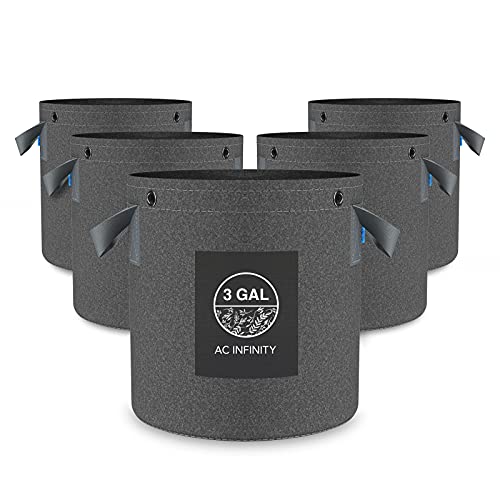
Fabric pots are the best containers for coco coir. They are reusable but more importantly, they allow air to the roots.
When roots try to grow into the fabric they are air pruned which results in branching further back. This promotes a healthier denser root system.
It also eliminates roots circling around the pot which is common in plastic pots and can cause plant roots to get root bound.
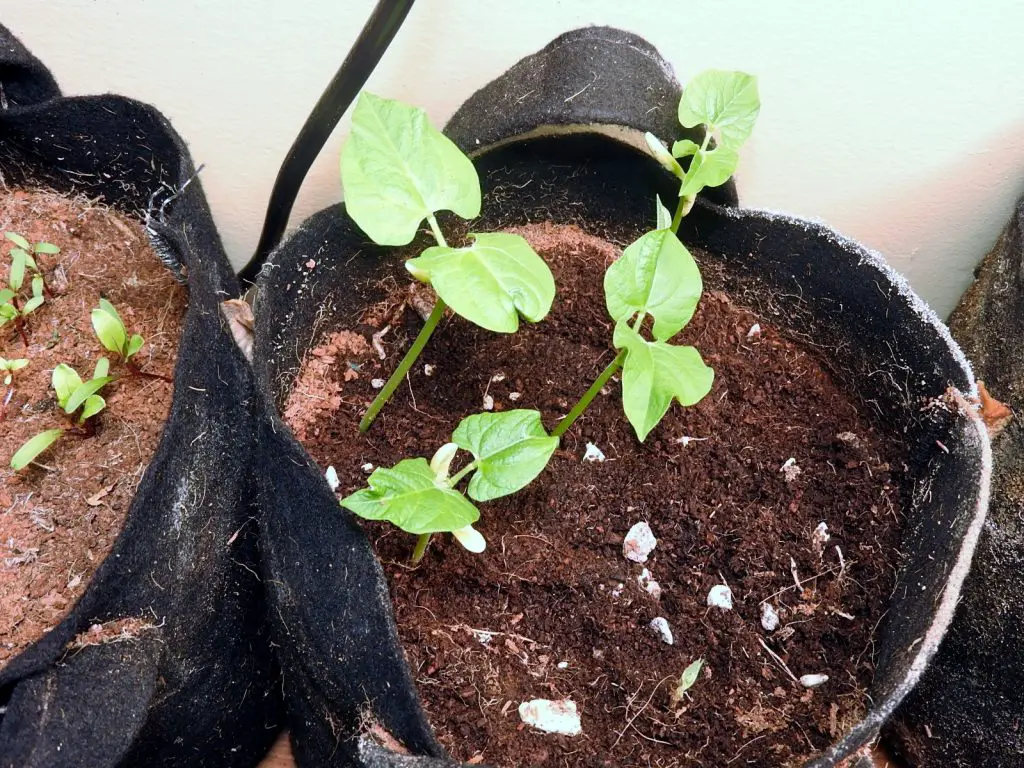
Fabric pots come in various sizes but I have used 2 and 3-gallon pots for my vegetables and in most cases, a 2 or 3-gallon fabric pot is all you need even for large plants like tomatoes.
Coco coir needs to be prepared before it is ready to use. We will walk you through getting it ready for planting.
Not All Coco Coir Is Created Equally
Coconut palms grow near saltwater and because they are salt tolerant they absorb a lot of salt.
Some coco is used for animal bedding and is not suitable without leaching out all the salt.
Reputable brands process their coco coir to remove excess salt.
Before you start planting your indoor vegetable garden, it’s important to prepare the coco coir properly. If you are using coco bricks they need to be rehydrated. If you are using loose coco you can skip this.
It is important to know cheap coco can have high levels of salt that need to be leached out before use.
By buying quality coco coir you can skip this step. I recommend using Canna Coco either loose or in bricks.
I prefer the bricks because they are easier to ship, carry and store and are very easy to rehydrate.
Rehydrating Coco Bricks
A package of Canna Coco bricks has 2 bricks. Each brick will make 5 gallons of coco. They can be further divided to make 2 1/2 gallons.
I use one brick at a time and add 3 gallons of warm water to it. I add 3 ml per gallon of calmag to this mix.
You can use the bag it comes in to rehydrate your coco but I prefer using a 10-gallon tote for this. It takes about an hour to fully rehydrate a coco brick.
Fertilizing Coco Coir
Most vegetables prefer slightly acidic soil, with a pH between 6.0 and 6.5 and coco coir naturally has a neutral pH in this range.
Over time it can become acidic if you use fertilizer. Coco by itself provides few nutrients and must be fertilized before you use it.
You will want to use a fertilizer that is designed for coco. Canna pioneered growing in coco coir and you can’t go wrong using Canna Coco A & B
Follow directions on the bottle or access their interactive feed charts online. Here is a link to it.
Precharging Your Coco Coir
Coco is a growing medium only so you must provide nutrients for your plants.
The most important thing is to add calcium and magnesium to your soil using a calmag supplement.
I use CaliMagic and found it to be the best on the market. Most products have more nitrogen and much less calcium and magnesium which is what you want.
If you do not use calmag you will not get satisfactory crops. It is necessary and not optional. I will explain why:
Coco Coir CalMag And CEC
Coco coir naturally wants to store potassium over other nutrients like calcium and magnesium and here is an explanation of why this happens:
Cation exchange capacity (CEC) is a measure of a soil or growing medium’s ability to hold and exchange cations, which are positively charged ions.
In the context of coco coir, CEC refers to the capacity of the coco coir to exchange cations such as calcium, magnesium, and potassium, which are important nutrients for plants.
Coco coir has a relatively high CEC, which means it can hold onto and exchange cations efficiently.
This can be beneficial for plants because it allows them to access a range of nutrients over an extended period of time.
However, it also means that the coco coir can accumulate excess cations, especially if they are applied in excess.
Calcium and magnesium are important nutrients for plant growth, and they are often required in relatively large amounts.
Potassium is also important, but it is required in smaller amounts than calcium and magnesium.
If the balance of these nutrients is not maintained, it can lead to deficiencies or excesses of one or more of these nutrients, which can negatively impact plant growth.
In particular, excess potassium can interfere with the uptake of calcium and magnesium by plants.
This can lead to calcium and magnesium deficiencies, which can cause problems such as blossom-end rot in tomatoes and other fruiting crops.
To avoid these problems, it is important to maintain a balanced ratio of calcium, magnesium, and potassium in the soil or growing medium.
This can be achieved by using a balanced fertilization program and monitoring the nutrient levels in the soil or growing medium using soil test kits.
Filling Your Pots
Coco can be used as a seed germination medium and gives the best results for direct seeding transplants.
I use small individual pots to start transplants. When roots start growing out the bottom I transplant my seedlings into a larger pot.
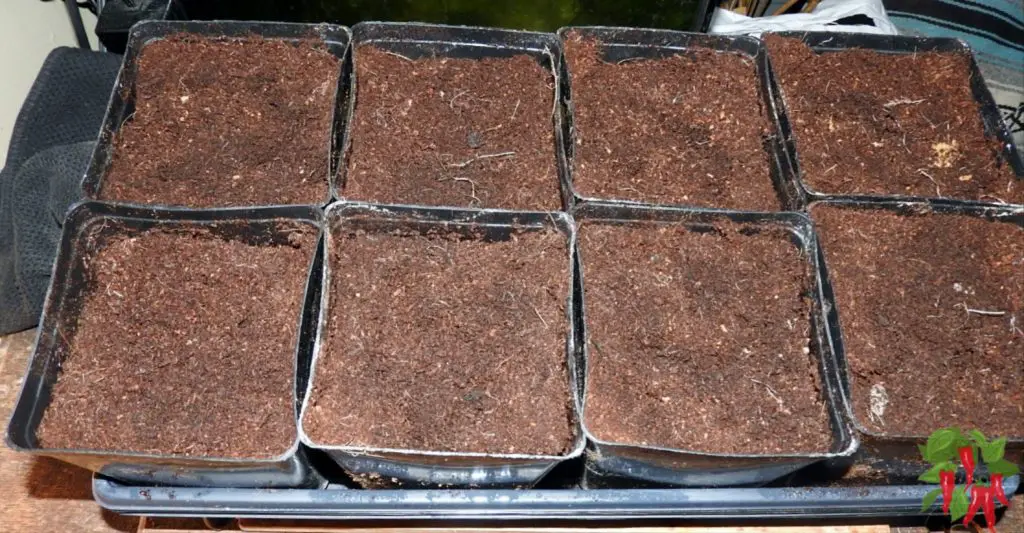
When I fill a pot I fill it to the top and lightly press the soil down. I will add another top layer if I need to.
The coco will go down once it is watered so I want to start almost level with the top of the pot.
When filling your pots water them well to remove any air pockets. You need to place your pots in a saucer or tray to catch any runoff when you water.
You will also want to empty the trays or saucers of the runoff. Plants should not sit in standing water for long because it invites root rot.
Planting and Caring for Your Indoor Vegetable Garden
Now that you have your containers prepared and your coco coir ready to go, it’s time to start planting your indoor vegetable garden.
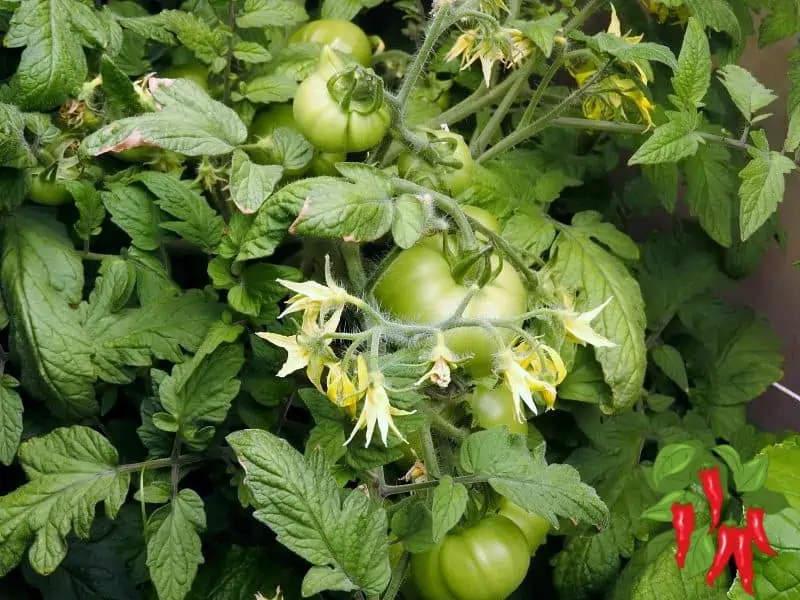
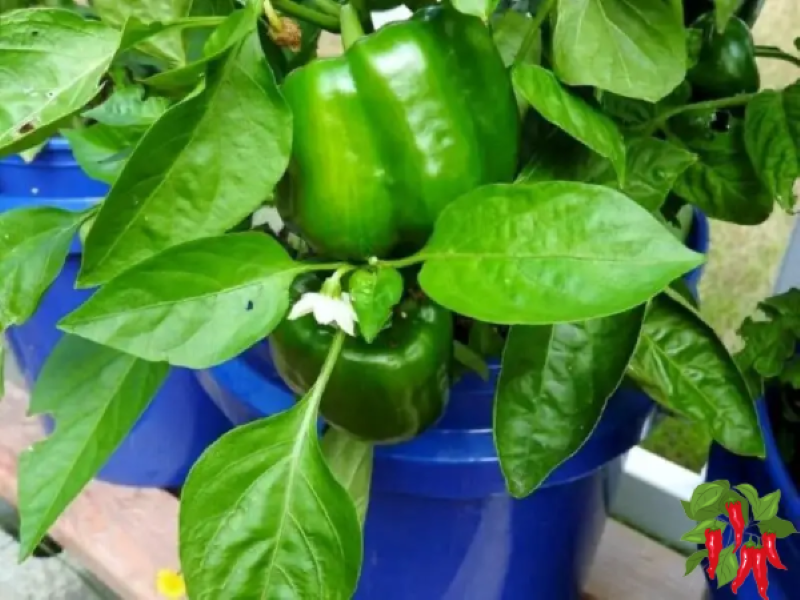
The first step is to choose the right vegetables for your space. Some good options for indoor gardening include herbs, tomatoes, peppers, and leafy greens.
Be sure to choose plants that are suitable for your climate and the amount of light available in your space.
Lettuce and herbs need much less light than tomatoes or peppers.
Lighting Requirements
Plants like tomatoes and peppers require high light levels to grow properly. If you have a sunny balcony you can grow them outdoors in summer as long as they get at least 6 hours of sun.
Indoors they are probably too big to fit on a windowsill so you will need to have an area to keep them and use an LED grow light.
If you are planning on growing vegetables indoors all year round you will definitely need supplemental lighting.
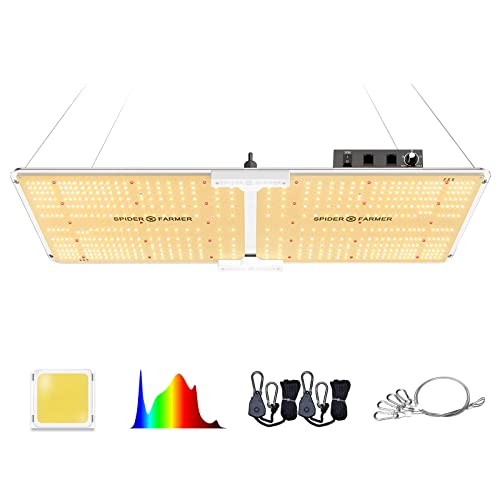
Below is a good LED grow light I use for growing my vegetables. The Spider Farmer SF2000 can cover a 2 x 4 to a 3 x 6 area.
Plants that need high light go directly under it and plants like lettuce or herbs are placed on the edges.
Planting Vegetables
Once you have chosen your plants, it’s time to start planting. Follow the instructions on the seed packets or plant tags, and be sure to plant your seeds or seedlings at the appropriate depth and spacing.
Water your plants thoroughly after planting, and be sure to keep the coco coir moist but not soggy.
As your plants grow, you’ll need to continue to water and fertilize them as needed.
Be sure to check the soil moisture regularly, and water your plants when the top inch of soil is dry.
Unlike potting soil, coco needs to be fertilized with every watering. It’s a good idea to start with half-strength nutrients and see how your plants react.
You can always add more but removing excess nutrients is more difficult. Overfertilizing can burn or kill your plants.
Coco coir should never be watered with plain water as it will disrupt the nutrient balance. Always add a little calmag to the water first.
Problems Growing With Coconut Coir
There are a few common problems that you may encounter while growing vegetables in coco coir indoors.
One of the most common issues is over-watering, which can lead to root rot. Fortunately, coco is fairly resistant to this.
Coco coir naturally contains Trichoderma bacteria which feed on the bacteria like Pythium and other water molds that cause root rot.
Be sure to check the soil moisture regularly, and only water your plants when the top inch of soil is dry.
Another common problem is pests, such as aphids or whiteflies. These can be controlled using natural methods, such as introducing beneficial insects or spraying plants with a mixture of water and dish soap.
Fungus Gnats
Coco coir can attract fungus gnats, You can use sticky traps to catch the flyers and B.T. (Bacillus thuringiensis) to control the larvae. They are pesty but rarely damage healthy plants.
Nutrient Deficiencies
In addition to these common problems, be sure to keep an eye out for signs of nutrient deficiency in your plants.
Yellowing leaves, stunted growth, and poor flowering can all be signs that your plants are not getting the nutrients they need.
Calcium and magnesium deficiency are most common but if you add calmag at 3 ml per gallon it should not be a problem.
You can address nutrient deficiencies by adding the appropriate fertilizers or amendments to your coco coir.
Common Problems Growing Vegetables in Coco Coir
Coco coir is one of the easiest growing mediums to work with, but it does have its own quirks. Most problems come from feeding mistakes, watering habits, or nutrient imbalances. The good news is they’re usually easy to fix once you know what to watch for.
🍂 Yellow Leaves in Coco Coir
Yellow leaves are often the first sign something is off. This can be caused by underfeeding, pH drift, or nutrient lockout. Since coco does not contain nutrients, plants depend entirely on your feeding schedule. Check your pH and make sure you are fertilizing regularly.
⚠️ Nutrient Lockout
Nutrient lockout happens when nutrients are present but the plant cannot absorb them. This is usually caused by incorrect pH or salt buildup. Keep your pH in the proper range and flush the coco occasionally to prevent excess salts from building up.
🪰 Fungus Gnats
Fungus gnats are common in moist coco coir, especially if the top stays wet all the time. Sticky traps help catch adults, and B.T. products can control larvae. Letting the surface dry slightly between waterings can also help reduce their numbers.
🪱 Root Rot
Coco drains well, but root rot can still happen if pots sit in standing water or if the root zone stays too wet for too long. Always empty runoff trays and make sure containers have good drainage. Healthy roots need oxygen as much as they need water.
🦴 Calcium Deficiency
Calcium deficiency is one of the most common issues in coco because the medium naturally binds calcium. Signs include distorted new growth, weak stems, or blossom end rot in tomatoes and peppers. This is why I always add cal-mag when watering.
🌿 Magnesium Deficiency
Magnesium deficiency usually shows up as yellowing between the leaf veins while the veins stay green. It often happens alongside calcium issues if you skip cal-mag or if your nutrient balance is off.
🧂 Salt Buildup
Over time, unused fertilizer salts can build up in coco and cause leaf burn, nutrient lockout, or slow growth. Flushing your pots with plain water and then recharging with cal-mag and nutrients can help reset the medium.
Most coco coir problems come down to keeping your feeding, pH, and watering consistent. Once you dial that in, coco becomes one of the easiest and most productive indoor growing mediums you can use.
Growing Vegetables in Coco Coir Indoors FAQs
Do I need Cal-Mag when growing in coco coir?
Yes. Coco coir naturally binds calcium and magnesium, so adding a cal-mag supplement is one of the most important steps when growing vegetables in coco. Skipping it often leads to deficiencies, weak growth, and problems like blossom end rot.
Can I water coco coir with plain water?
Not usually. Since coco is an inert growing medium, it contains very little nutrition. Plain water can strip nutrients from the root zone and throw off your balance. At minimum, I recommend adding cal-mag even when watering between feedings.
How often should I water vegetables in coco coir?
Coco coir should stay evenly moist but never soggy. Most vegetables in coco need watering more often than soil, especially in fabric pots. Smaller plants may need water every few days, while larger fruiting plants may need daily watering.
Is coco coir better than potting soil for indoor vegetables?
For many indoor growers, yes. Coco is lighter, drains faster, holds oxygen better, and gives you more control over feeding. It’s especially useful for tomatoes, peppers, and other heavy-feeding vegetables.
Can you reuse coco coir for growing vegetables?
Yes. One of the best things about coco coir is that it can be reused. Just rinse out old salts, remove roots, and recharge it with cal-mag before planting again.
Why are my plants turning yellow in coco coir?
Yellow leaves usually point to nutrient problems, pH drift, or missing cal-mag. Since coco does not feed the plant on its own, regular nutrients are essential for healthy growth.
What vegetables grow best in coco coir indoors?
Tomatoes, peppers, beans, leafy greens, herbs, and even potatoes do very well in coco coir. It works especially well for fast-growing vegetables and fruiting plants that need strong root systems.
Does coco coir need fertilizer?
Yes. Coco coir is a growing medium, not a fertilizer. Plants rely on you to provide nutrients from the beginning. A balanced fertilizer made for coco works best, along with regular cal-mag supplements.
Final Thoughts
Growing vegetables in coco coir indoors is a sustainable and easy way to enjoy fresh, healthy produce year-round.
Coco coir is a natural fiber that promotes healthy plant growth.
By choosing the right containers, preparing the coco coir properly, and properly planting and caring for your plants, you can successfully grow a variety of vegetables in your indoor vegetable garden.
So why not give it a try and see the benefits of coco coir for yourself?

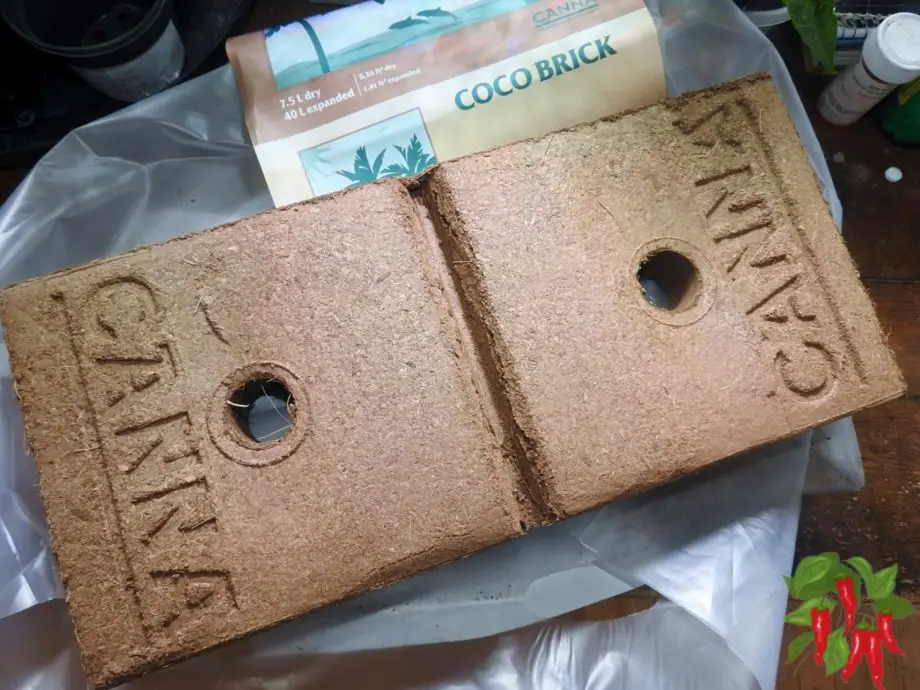
 Before you start planting your indoor vegetable garden, it’s important to prepare the coco coir properly. If you are using coco bricks they need to be rehydrated. If you are using loose coco you can skip this.
 It is important to know cheap coco can have high levels of salt that need to be leached out before use.
  You will want to use a fertilizer that is designed for coco. Canna pioneered growing in coco coir and you can’t go wrong using Canna Coco A & B
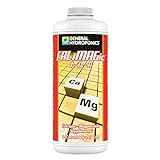 Coco is a growing medium only so you must provide nutrients for your plants.