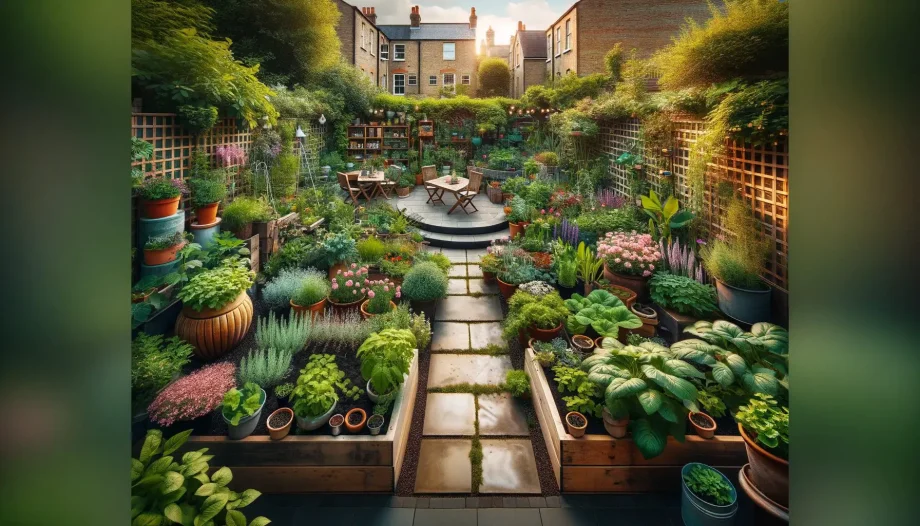
Creative landscaping ideas for sunny gardens begin with understanding where the light falls, how long it remains, and where reflected heat may create especially warm growing conditions. Once you understand those patterns, you can choose plants and design features that make better use of the available sunlight.
A sunny landscape can include much more than a wide-open flower bed. You can combine trees, shrubs, perennials, ornamental grasses, herbs, vegetables, pathways, seating areas, and vertical features to create a garden with color, texture, and useful outdoor space.
The best design will depend on your climate, soil, drainage, water availability, and the amount of maintenance you want to handle. I recommend starting with the conditions already present in your yard and then choosing a style that fits both the space and how you plan to use it.
What You’ll Learn
How to map sunlight and identify reflected heat
How to arrange plants in canopy, middle, and ground-cover layers
How hardscaping can add structure and usable space
Ways to use color, texture, and plant form in bright light
How to plan for interest through multiple seasons
Ideas for gravel, Mediterranean-style, prairie, succulent, and edible gardens
How to choose plants that match your climate and growing conditions
Design a sunny garden by mapping direct sunlight, afternoon heat, drainage, and existing shade before choosing plants. Build the landscape in layers, starting with small trees or large shrubs and working down to perennials and ground covers. Add paths, seating, trellises, or other hardscaping to give the garden structure. Choose plants suited to your local climate and group plants with similar light and water requirements.
Sunny Garden Design at a Glance
Design Element
What to Consider
Possible Approach
Sunlight
Hours of direct sun and time of day
Map the site in the morning, midday, and afternoon
Reflected heat
Heat from walls, fences, pavement, and stone
Use heat-tolerant plants or provide partial shade
Planting layers
Mature plant height and spread
Combine a canopy, middle layer, and ground covers
Water needs
Soil drainage and irrigation access
Group plants with similar moisture requirements
Hardscaping
Paths, patios, seating, walls, and supports
Create structure before filling the space with plants
Color
How colors appear in intense sunlight
Repeat a limited color palette throughout the garden
Texture and form
Leaf size, plant shape, and movement
Mix grasses, broad leaves, upright plants, and low growers
Seasonal interest
Flowers, foliage, seed heads, bark, and structure
Select plants that contribute during different seasons
Garden style
Climate, maintenance, and personal preference
Consider prairie, gravel, edible, succulent, or mixed planting
Designing a Sunny Garden Around Light and Heat
Sun exposure affects more than plant selection. It also influences soil moisture, surface temperature, seating placement, and how comfortable different areas feel during the day. Begin by studying the site before deciding where the major planting areas and hardscape features will go.
With creative landscaping ideas for sunny gardens and the right design approach, you can transform your sunny space into a vibrant, inviting outdoor oasis.
Understanding Sun Patterns
Before diving into design, it’s crucial to understand your garden’s unique sun patterns:
1. Sun Mapping: Observe and document how sunlight moves across your garden throughout the day and seasons.
2. Identify Hot Spots: Note areas that receive the most intense sunlight.
3. Recognize Microclimates: Even in sunny gardens, walls, fences, or existing plants can create pockets of shade or reflected heat.
Match every plant to your local climate. Bougainvillea, desert willow, olive trees, ice plants, and some agaves thrive only in suitable regions. Before planting, check your USDA hardiness zone, summer heat, winter temperatures, rainfall, soil drainage, and local invasive-plant guidance. If one of these examples does not suit your area, choose a locally appropriate plant with a similar size, form, or landscaping purpose.
Creating Layers in Sunny Landscapes
A well-designed sunny garden often incorporates multiple layers:
1. Canopy Layer:
Use small trees or large shrubs to create dappled shade.
Examples: Crape myrtle, desert willow, or tall ornamental grasses.
2. Middle Layer:
Fill with medium-sized shrubs and tall perennials.
Examples: Lavender, rosemary, or tall sedums.
3. Ground Cover Layer:
Use low-growing plants to cover soil and retain moisture.
Examples: Creeping thyme, ice plant, or low-growing sedums.
Incorporating Hardscaping Elements
Hardscaping can provide structure and functionality to your sunny garden:
1. Pergolas and Arbors:
Create vertical interest and offer shade.
Perfect for climbing plants like wisteria or bougainvillea.
2. Decorative Walls and Fences:
Provide backdrop for plants and protect from wind.
Can be used to create a Mediterranean or desert-inspired look.
3. Pathways and Patios:
Use light-colored, heat-reflective materials to keep spaces cool.
Consider permeable paving to allow water penetration.
Water Features in Sunny Gardens
Water adds a cooling effect and attracts wildlife:
1. Fountains: The sound of trickling water creates a sense of coolness.
2. Ponds: Can support aquatic plants and provide a habitat for wildlife.
3. Rain Gardens: Collect runoff in suitable depressions; they are not simply water features for dry areas.
Color Theory in High-Light Gardens
Sunlight intensifies colors, so use this to your advantage:
1. Bold Colors: Deep purples, bright reds, and vibrant yellows pop in bright light.
2. Cool Colors: Blues and soft purples can create a sense of coolness.
3. Color Schemes: Consider complementary or analogous color schemes for a cohesive look.
Texture and Form in Sunny Landscapes
Play with different textures and forms to add visual interest:
2. Architectural Plants: Use plants with strong forms, like agaves or yuccas, as focal points.
3. Repetition: Repeat certain plants or shapes throughout the garden for a cohesive design.
Seasonal Interest in Sun-Drenched Gardens
Plan for year-round appeal:
1. Spring: Include early-blooming bulbs and flowering trees.
2. Summer: Focus on heat-tolerant perennials and annuals.
3. Fall: Incorporate plants with autumn color changes.
4. Winter: Use evergreens and plants with interesting bark or structure.
Creative Ideas for Sunny Gardens
1. Gravel Garden: Low-maintenance and drought-tolerant, perfect for sunny, dry areas.
2. Mediterranean-Inspired: Use herbs, lavender, and olive trees for a sun-soaked European feel.
3. Prairie-Style: Combine ornamental grasses with native wildflowers for a naturalistic look.
4. Succulent Garden: Create a low-water, high-impact display with a variety of succulents.
5. Edible Landscape: Integrate fruits, vegetables, and herbs into your ornamental garden.
Creative Landscaping Ideas for Sunny Gardens FAQs
How many hours of sunlight count as full sun?
A full-sun location generally receives at least six hours of direct sunlight each day. However, six hours of cool morning sun can create different growing conditions than six hours of intense afternoon sun. Observe the area at several times during the day before selecting plants.
How do I map sunlight in my garden?
Check the garden in the morning, around midday, and again during the afternoon. Note when direct sunlight reaches each planting area and when buildings, fences, or trees create shade. Repeat the process during different seasons because the sun’s position and surrounding tree cover can change.
What plants work best in a sunny landscape?
Choose plants that match your local climate, soil, drainage, and available water. Many ornamental grasses, flowering perennials, herbs, succulents, shrubs, and vegetables grow well in full sun, but their cold tolerance and moisture requirements vary considerably.
Check each plant’s mature height and width before planting. This helps prevent overcrowding and makes it easier to create the canopy, middle, and ground-cover layers described in this guide.
How can I keep a sunny garden from drying out too quickly?
Group plants with similar water requirements, improve the soil where appropriate, and apply mulch around plants without piling it against their stems. Water deeply enough to moisten the active root area. Newly installed plants usually need regular watering while their roots become established, even when they are considered drought tolerant.
Can I create a low-maintenance sunny garden?
Yes, but low maintenance does not mean no maintenance. Begin with climate-appropriate plants, avoid overcrowding, limit the number of different plant-care routines, and install paths that provide easy access. Repeating several dependable plants is often easier to manage than planting one of everything.
How do I prevent a full-sun landscape from looking flat?
Combine plants with different heights, forms, leaf sizes, and flowering periods. A small tree or large shrub can provide an upper layer, while medium-sized shrubs and perennials fill the center. Ground covers, low flowers, or spreading herbs can soften the front edges of beds.
Repeating a few colors or plant forms throughout the landscape helps connect the different layers and keeps the design from looking scattered.
Can hardscaping make a sunny garden hotter?
Yes. Walls, fences, gravel, stone, and paved surfaces can absorb or reflect heat, creating warmer microclimates around nearby plants and seating areas. Consider afternoon exposure, surface temperature, drainage, and reflected heat when selecting hardscape materials and deciding where to place plants.
Can I build a rain garden in a sunny yard?
A sunny yard may contain a suitable location for a rain garden, but sunlight alone does not determine placement. A rain garden should be positioned where it can collect runoff and allow the water to soak into the ground. Check drainage, distance from foundations and utilities, soil conditions, and local requirements before digging.
Final Thoughts
Creative landscaping ideas for sunny gardens work best when they begin with the conditions already present in the yard. Sunlight is important, but soil, drainage, reflected heat, local climate, and access to water also determine which plants and design features will succeed.
Start by mapping the sunlight and identifying the hottest areas. Then plan the main paths, seating areas, planting beds, and vertical features before buying a large number of plants. This gives the landscape a useful structure and helps you avoid placing plants where they will eventually block paths or crowd one another.
You do not need to complete the entire landscape at once. Developing one area at a time gives you an opportunity to see how plants respond through the seasons. You can then repeat what works, replace what does not, and gradually build a sunny garden that fits both your climate and the way you use your outdoor space.
These Extension resources provide additional guidance on evaluating a site, selecting climate-appropriate plants, conserving water, and building a rain garden: