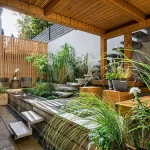
What is backyard urban gardening? It is the practice of using a small residential yard in a city or densely populated neighborhood to grow vegetables, herbs, fruit, flowers, and other useful plants.
A backyard urban garden may include raised beds, containers, vertical supports, in-ground rows, composting areas, or a combination of methods. The goal is to make productive use of the available yard without treating it like a full-sized rural farm.
My gardening experience began on a Washington truck farm, where space and production were handled on a much larger scale. Backyard urban gardening uses many of the same basic growing principles, but you have to adapt them to nearby buildings, limited sunlight, smaller beds, local rules, and close neighbors.
This guide will help you assess your backyard, choose an appropriate growing method, plan around sunlight and water, select suitable plants, and create a garden you can realistically maintain.
What You’ll Learn
What makes a backyard urban garden different from other urban gardens
How to measure and evaluate your available backyard space
How to map sunlight, shade, drainage, and water access
When to use raised beds, containers, or existing ground
Why you may need to investigate or test urban soil
How to confirm local rules before building the garden
How to choose plants that fit your space and growing conditions
How vertical growing and intensive planting can improve productivity
How to create a garden that remains manageable throughout the season
Backyard urban gardening uses a residential yard within a city or densely populated area to grow food, flowers, and useful plants. Begin by measuring the usable space, mapping sun and shade, checking drainage and soil conditions, confirming local rules, and locating a dependable water source. Then choose raised beds, containers, vertical supports, or in-ground planting according to the site.
Backyard Urban Gardening at a Glance
Planning Step
What to Check
Practical Starting Point
1. Measure the yard
Usable growing area, paths, structures, and access
Sketch the space and record its basic dimensions
2. Map sunlight
Morning sun, afternoon sun, and shade from buildings or trees
Observe the yard at several times during the day
3. Check drainage
Low areas, compacted ground, runoff, and standing water
Avoid placing beds where water remains after rain
4. Evaluate the soil
Soil history, texture, drainage, fertility, and possible contamination
Consider testing before growing edible crops in existing urban soil
5. Choose a growing method
In-ground beds, raised beds, containers, or a combination
Use the method that fits the soil, budget, and physical access
6. Locate water
Hose access, watering distance, drainage, and local restrictions
Place frequently watered crops within convenient reach
7. Confirm the rules
Local codes, landlord rules, HOA restrictions, and utility locations
Check before installing permanent beds, fences, or structures
8. Select crops
Light, climate, mature size, harvest period, and household use
Begin with plants you already enjoy eating or growing
9. Use vertical space
Fences, trellises, supports, and shadows cast on nearby plants
Train suitable climbing crops upward without shading shorter plants
10. Plan access
Paths, bed width, hose movement, harvesting, and maintenance
Make every growing area reachable without stepping into the bed
11. Plan fertility
Growing medium, compost, amendments, and fertilizer needs
Match fertility to the crop and follow product directions
12. Monitor problems
Pests, disease, weeds, irrigation, and plant stress
Inspect plants regularly so small problems are noticed early
13. Plan for the season
Planting dates, harvest periods, succession crops, and cleanup
Use a simple calendar instead of trying to remember every task
What Is Backyard Urban Gardening?
Backyard urban gardening is the practice of using the ground-level outdoor space connected to a city or suburban home to grow vegetables, herbs, fruit, flowers, and other useful plants.
Your garden might include a small lawn converted into growing beds, containers arranged around a patio, vegetables trained along a fence, or raised beds installed over compacted or unsuitable existing soil. The goal is to make productive use of the available space without trying to recreate a full-sized rural farm.
A backyard garden does not need to occupy the entire yard. One raised bed, several containers, a narrow planting border, or a trellis along a sunny fence can provide a useful place to begin. A smaller garden that you can water, maintain, and harvest regularly is often more rewarding than an oversized setup.
How Backyard Gardening Fits Within Urban Gardening
Urban gardening is the broader practice of growing plants within towns and cities. It includes backyard gardens as well as balcony containers, rooftop gardens, indoor growing systems, community plots, and vertical gardens.
Backyard urban gardening is different because you have direct control over one residential outdoor area. You may have room for raised beds, compost, rainwater collection, vertical supports, perennial plants, and in-ground growing.
That additional space also brings different planning considerations. You may need to account for underground utilities, soil history, drainage, runoff, fences, shade from nearby buildings, local regulations, and how the garden affects neighboring properties.
This guide focuses specifically on residential backyards. For an overview that also includes apartments, balconies, rooftops, community gardens, and indoor setups, see Urban Gardening for Beginners.
What Can You Grow in a Backyard Urban Garden?
What you can grow depends on your climate, available sunlight, soil or growing medium, water access, and the mature size of each plant. Possible choices include:
Leafy greens and herbs for frequent harvests
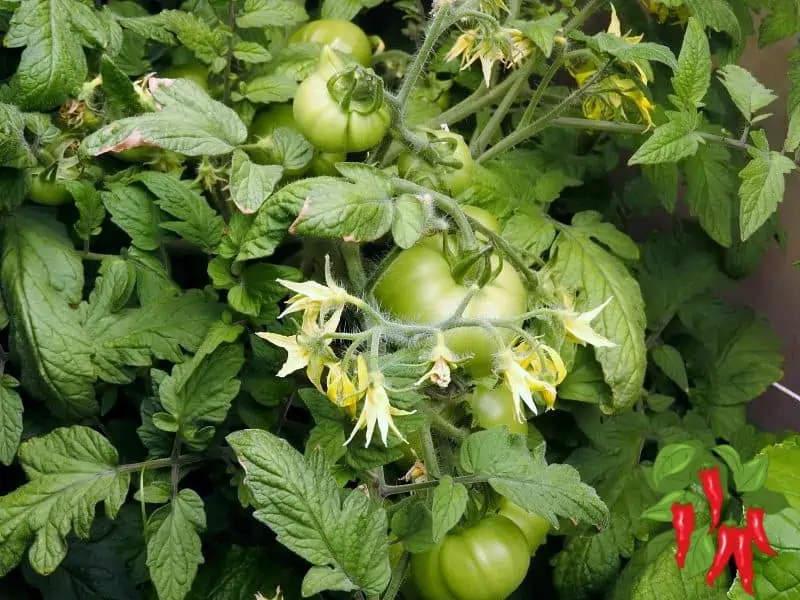
Tomatoes, peppers, beans, cucumbers, and other warm-season vegetables
Carrots, radishes, beets, and other root crops where the soil depth is appropriate
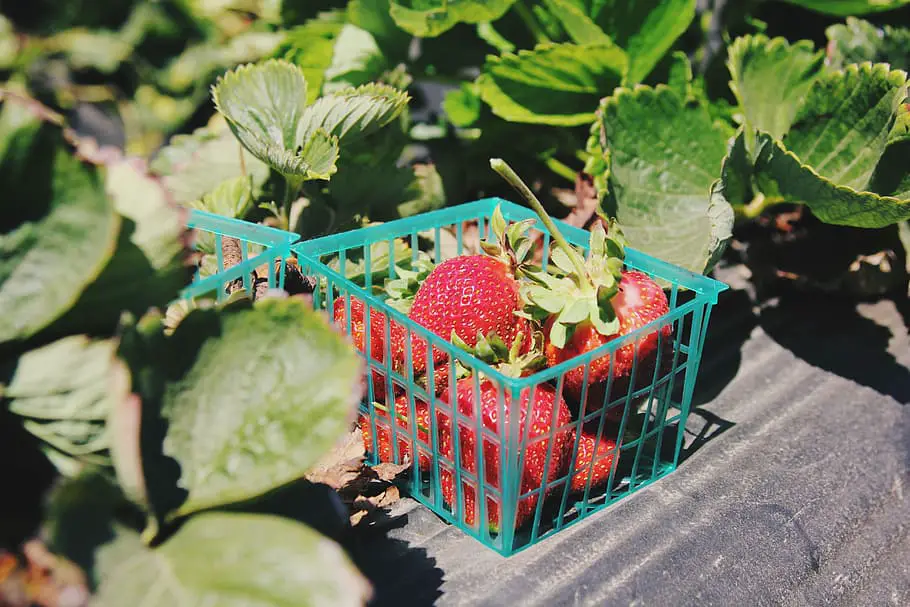
Strawberries, compact berry plants, or suitable dwarf fruit varieties
Flowers that provide seasonal color or resources for pollinators
Perennial herbs and locally appropriate native plants
Start with a few plants you genuinely want to grow and use. As you learn how sunlight, water, soil, and seasonal conditions affect the yard, you can gradually expand the garden without making it difficult to manage.
Importance and Benefits of Urban Gardening
Now that we’ve defined urban gardening, let’s talk about why it’s so important.
The benefits of urban gardening are numerous and extend far beyond just having fresh produce at your fingertips.
Firstly, it promotes healthier eating habits. When you grow your own fruits and vegetables, you’re more likely to eat them.
Plus, you know exactly where your food is coming from and what’s going into it – no more worrying about pesticides or other chemicals!
Secondly, urban gardening can have a positive impact on mental health.
There’s something incredibly therapeutic about getting your hands dirty, nurturing plants, and watching them grow.
It’s a great way to reduce stress and improve overall well-being.
Lastly, urban gardening contributes to environmental sustainability.
It reduces the need for food transportation, thus lowering carbon emissions.
Plus, plants help to improve air quality and increase biodiversity.
So, as you can see, urban gardening is not only a rewarding hobby but also a step towards healthier living and a more sustainable world.
Isn’t that something worth exploring?
How Backyard Urban Gardening Compares With Other Urban Gardens
Urban gardening can take place in many different settings. The main difference is the type of space available and the restrictions that come with it.
Urban Garden Type
Typical Growing Space
Main Consideration
Backyard garden
Residential ground-level yard
Soil condition, drainage, utilities, shade, paths, and local rules
Balcony or patio garden
Containers placed on a small hard surface
Weight, wind, drainage, railing safety, and limited space
Rooftop garden
Approved roof space
Structural capacity, waterproofing, drainage, access, and wind exposure
Indoor garden
Windowsills, shelves, grow tents, or hydroponic systems
Light, temperature, humidity, water protection, and electricity
Community garden
A shared growing area divided into individual or communal plots
Membership rules, shared water, plot access, fees, and maintenance expectations
A backyard usually provides more flexibility than a balcony or indoor setup, but it also requires you to manage soil, drainage, weeds, paths, and neighboring properties. The best method depends on the space you actually have rather than one urban-gardening design that works everywhere.
A successful backyard urban garden begins with understanding the space before buying plants or building beds. Measure the yard, observe its growing conditions, and identify practical limitations while changes are still easy to make.
You do not have to develop the entire backyard during the first season. Starting with one manageable growing area gives you time to learn how sunlight, drainage, soil, water, and seasonal weather affect the site.
Measure the Usable Backyard Space
Measure the yard and record the location of the house, fences, sheds, patios, trees, utility equipment, gates, and existing planting areas. Separate the total yard size from the space that can realistically be used for growing.
Leave enough room to move a hose, carry supplies, harvest crops, and reach every bed. Also consider how doors, gates, garbage containers, outdoor furniture, pets, and children use the yard.
Map Sun and Shade
Observe the backyard in the morning, around midday, and later in the afternoon. Buildings, fences, trees, and neighboring structures can create shade that changes throughout the day and across the growing season.
Place crops that need abundant light in the sunniest available locations. Leafy greens, herbs, and some ornamental plants may tolerate less direct sunlight. Avoid relying on a single observation made at only one time of day.
Check Drainage and Runoff
Watch what happens during and after rainfall. Identify low areas where water collects, compacted locations where water drains slowly, and slopes that direct runoff toward buildings or neighboring property.
Do not place a growing bed where water regularly remains after rain. Raised beds can improve control over the growing medium, but they should not block necessary drainage or redirect water toward a foundation, walkway, or adjacent yard.
Evaluate the Existing Soil
Backyard soil can vary considerably, especially in developed urban areas. Construction fill, compacted ground, previous structures, old paint, vehicle activity, and unknown past land uses may affect whether existing soil is suitable for edible crops.
Check the soil texture, drainage, depth, and history before planting. Avoid assuming that dark or loose-looking soil is automatically fertile or free from contaminants.
Consider Soil Testing or Raised Beds
A soil test can provide information about pH, nutrients, and organic matter. If contamination is a concern, ask the testing laboratory whether it offers testing for lead or other contaminants relevant to the property’s history.
Raised beds or containers filled with a clean growing mixture may be appropriate when existing soil is compacted, poorly drained, or questionable. Containers can also use my preferred coco coir and perlite mixture when it suits the plants being grown. Use materials intended for gardening and avoid using unknown soil or construction debris as fill.
Confirm Local Rules and Utility Locations
Check municipal codes, rental agreements, homeowners-association rules, and any restrictions affecting fences, sheds, composting, rainwater collection, livestock, or permanent garden structures.
Before digging deeply or installing posts, contact the appropriate utility-location service. Knowing where buried water, gas, electrical, and communication lines are located protects both you and the property.
Locate a Dependable Water Source
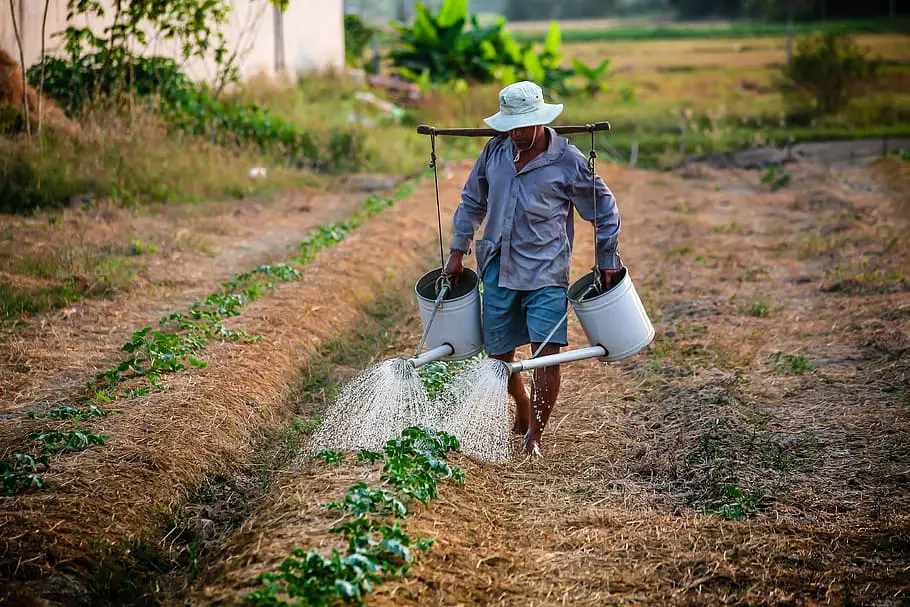
Identify how water will reach the garden before deciding where to place beds. A productive garden becomes difficult to maintain when every watering session requires carrying containers across the entire yard.
Consider hose length, water pressure, local watering restrictions, and where excess water will drain. Place crops that need frequent moisture within convenient reach of the water source.
Plan Paths and Growing Areas
Arrange beds so you can reach the plants without stepping into the growing area and compacting the soil. Make paths wide enough for the tools, watering equipment, carts, or mobility aids you expect to use.
Position tall crops and vertical supports where they will not shade shorter plants unnecessarily. Leave room for mature plant growth, harvesting, pruning, and seasonal cleanup.
The best backyard gardening technique depends on your soil, available space, sunlight, budget, and physical access. You can use one method throughout the yard or combine raised beds, containers, and vertical supports in different areas.
Start with a layout you can maintain. Adding more growing space later is easier than trying to care for an oversized garden during your first season.
Raised Beds
Raised beds give you greater control over the growing medium and can be useful where existing soil is compacted, poorly drained, or unsuitable for food crops. They also create clear boundaries between growing areas and paths.
Build beds narrow enough that you can reach the center without stepping into them. Choose untreated or garden-safe materials, leave room for paths, and fill the bed with a clean growing mixture suited to the crops. A raised bed still needs suitable drainage and convenient access to water.
Containers
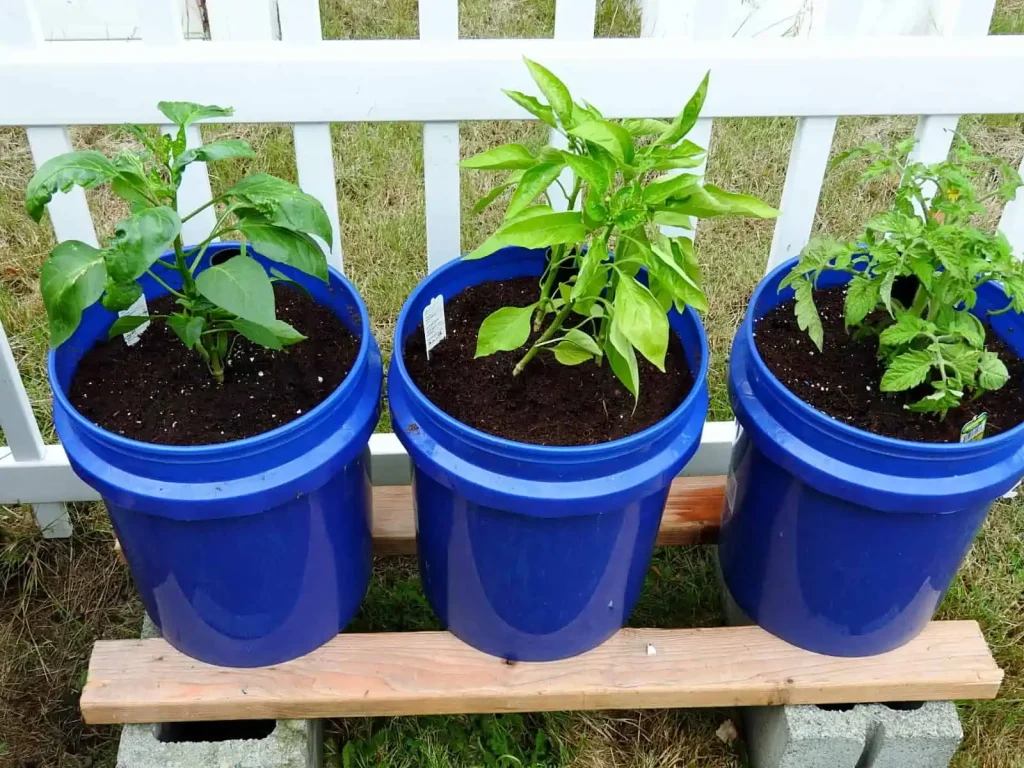
Containers let you grow on patios, beside walkways, along fences, or in other backyard areas where an in-ground bed would not work. They can also be moved to improve sunlight or protect plants during extreme weather.
Match the container size to the plant’s mature root system and make sure it has drainage holes. I prefer coco coir and perlite for many container-grown plants because the mixture provides moisture retention and air space. Since those materials contain very few nutrients, container plants need a fertilizer suited to the crop.
Trellises, cages, arches, stakes, and fence-mounted supports allow suitable plants to grow upward instead of spreading across valuable ground space. Beans, peas, cucumbers, tomatoes, and some compact vining fruits may benefit from support.
Install sturdy supports before the plants become large. Position them where they will not cast unnecessary shade on shorter crops, block a walkway, or interfere with neighboring property. Check that fences and structures can carry the weight of mature, rain-soaked plants.
Intensive Spacing
Intensive spacing places plants close enough to use limited growing space efficiently. As their leaves fill in, they may shade the soil surface and reduce some moisture loss and weed growth.
Do not confuse intensive planting with overcrowding. Every crop still needs adequate light, nutrients, root space, and airflow. Follow the spacing guidance for the variety, then adjust carefully based on the growing method and your local conditions.
Succession Planting
Succession planting helps you use the same backyard space for more than one crop during the growing season. You might sow a small amount of lettuce every couple of weeks, replace finished radishes with another crop, or plant a fall crop after harvesting summer vegetables.
Use a simple planting calendar and consider how long each crop takes to mature. Leave enough time for the next planting to develop before temperatures become unsuitable. Succession planting works best when you plan the sequence before the first crop fills the bed.
Tips for Successful Urban Gardening
Now that we’ve explored various urban gardening techniques, let’s delve into some handy tips that can help make your urban gardening journey a successful one.
Whether you’re a seasoned green thumb or a gardening newbie, these tips can help you navigate common challenges and make the most of your urban garden.
From choosing the right plants to maximizing small spaces, these tips are all about helping you grow a thriving, bountiful garden, no matter the size of your space.
So, let’s get into it and discover how to make your urban garden flourish!
Choosing the Right Plants
Choosing the right plants for your urban garden is like setting the foundation for a house. It’s crucial for your garden’s success.
Consider your space, the amount of sunlight it gets, and your local climate.
Some plants thrive in full sun while others prefer shade. Some can handle a chill, while others need warmth.
Also, consider what you want from your garden. Are you looking to grow your own veggies, or do you want a beautiful flower display? Maybe a bit of both?
Remember, the right plant in the right place is a recipe for success.
Maximizing Small Spaces
When it comes to urban gardening, space is often a luxury. But that doesn’t mean you can’t have a lush, productive garden.
It’s all about maximizing what you’ve got. Use vertical space with climbing plants or vertical planters.
Make use of every nook and cranny. Even the smallest balcony or windowsill can become a mini garden with the right approach.
Dealing with Limited Sunlight
Limited sunlight can be a challenge in urban environments, with buildings and other structures often casting shadows.
But don’t let that deter you. Many plants can thrive in partial shade (like lettuce, spinach, and parsley), and some even prefer it (like mint, chives, and cilantro).
If you have a shady spot and like ornamentals consider planting Hostas, Ferns, Bleeding Hearts and Astilbe. Here is an article on Hosta care.
It’s all about choosing the right plants for your conditions. And remember, containers can be moved around to catch the sun!
Managing Pests and Diseases
Pests and diseases are a part of gardening, but they don’t have to ruin your urban garden.
Regularly check your plants for signs of trouble, like discolored leaves or visible pests. Many issues can be handled with simple, natural solutions.
For example, a spray of water can dislodge aphids, and certain plants (like marigolds) can deter pests.
And remember, a healthy plant is the best defense against pests and diseases, so make sure your plants are well cared for.
The Impact of Urban Gardening
By now, you’re well on your way to becoming an urban gardening pro. But let’s take a moment to step back and look at the bigger picture.
Urban gardening isn’t just about growing your own food or beautifying your space (although those are great perks!).
It’s also about making a positive impact on the environment, on your community, and on your own health and wellness.
So, let’s explore how your little urban garden can make a big difference. Ready to see the impact you can make? Let’s dive in!
Environmental Impact
First up, let’s talk about the environmental impact. Urban gardens can be a powerful tool in the fight against climate change.
They help reduce the carbon footprint associated with transporting food from farms to supermarkets to your plate.
Plus, plants absorb carbon dioxide, helping to clean the air. Urban gardens can also help reduce the urban heat island effect, a phenomenon where urban areas are significantly warmer than their rural surroundings.
And let’s not forget about biodiversity. Even a small urban garden can provide a habitat for a variety of insects and birds.
Social and Community Impact
Next, let’s consider the social and community impact. Urban gardens can help foster a sense of community.
They provide a place for people to come together, share knowledge, and work towards a common goal.
Community gardens can also help address food insecurity by providing fresh produce in areas where it might be hard to come by.
Plus, they can make urban spaces more beautiful, which can boost community pride and even property values.
Health and Wellness Impact
Finally, let’s look at the health and wellness impact. Gardening is a great form of exercise. It gets you moving and out in the fresh air.
It’s also been shown to reduce stress and improve mental health. Plus, growing your own food can lead to healthier eating habits.
There’s nothing quite like the taste of a tomato you’ve grown yourself, or the satisfaction of cooking a meal with ingredients from your own garden.
So, in many ways, urban gardening is good for the body, the mind, and the soul.
Backyard Urban Gardening FAQs
What is backyard urban gardening?
Backyard urban gardening is the practice of growing vegetables, herbs, fruit, flowers, or other useful plants in the ground-level outdoor space connected to a city or suburban home. The garden may use traditional beds, raised beds, containers, trellises, or a combination of these methods.
Unlike balcony, rooftop, indoor, or community gardening, a backyard urban garden gives you control over one residential outdoor space. For a broader look at other city-growing methods, read my Urban Gardening for Beginners guide.
How much space do I need for a backyard urban garden?
You do not need a large yard. One raised bed, several containers, or a sunny strip along a fence can produce herbs and vegetables. Measure the usable growing area, account for paths and access, and begin with a garden you can comfortably water and maintain.
If you are working with a particularly limited area, the planning methods in my urban backyard garden planning guide can help you organize the available space.
How much sunlight does a backyard vegetable garden need?
Many fruiting vegetables, including tomatoes, peppers, beans, cucumbers, and squash, perform best with at least six to eight hours of direct sunlight. Leafy vegetables and some herbs may remain productive with less.
Map the yard at several times during the day before choosing a permanent bed location. Buildings, fences, and mature trees can create shade that is not obvious during a single observation.
Should I plant directly in the ground or use raised beds?
Plant directly in the ground when the soil has suitable drainage, structure, and fertility and there is no concern about past contamination. Raised beds are useful when the existing ground is compacted, poorly drained, difficult to work, or of uncertain quality.
A soil test can help you understand the soil’s pH and nutrient levels. If the property has an unknown history, contact your local Extension office for guidance about appropriate testing before growing food directly in the ground.
Can I grow vegetables in containers in my backyard?
Yes. Containers work well on patios, beside walkways, along fences, and in other places where an in-ground bed is impractical. Match the container size to the mature plant, provide drainage holes, and remember that containers generally require more frequent watering than garden beds.
For container vegetables, I use a loose growing mixture based on coco coir and perlite rather than filling pots with backyard soil. See my guide to growing vegetables in pots for more help.
What are the easiest plants for a beginner backyard garden?
Good beginner choices include leaf lettuce, radishes, bush beans, chard, basil, parsley, compact peppers, and cherry tomatoes. The best choices still depend on your climate, planting season, available sunlight, and the amount of room each plant needs at maturity.
Start with a few vegetables or herbs your household will actually use. A small, productive garden is easier to learn from than a large planting that becomes difficult to water, weed, and harvest.
How often should I water a backyard urban garden?
There is no single schedule that works for every backyard. Check the soil instead of watering automatically. Temperature, rainfall, wind, plant size, soil type, mulch, and whether plants are growing in beds or containers all affect how quickly moisture is lost.
Water deeply enough to moisten the active root area and allow the upper soil surface to begin drying between waterings when appropriate for the crop. Containers may need checking every day during hot or windy weather.
How can I grow more food in a small backyard?
Use trellises for climbing beans and cucumbers, select compact plant varieties, space crops according to their mature size, and replant open areas after an early crop is harvested. Succession planting can produce several harvests from the same growing space during one season.
Avoid crowding plants simply to fit more into the garden. Excessive crowding can reduce airflow, make harvesting difficult, and increase competition for water, light, and nutrients.
Do I need permission to start a backyard urban garden?
Rules differ by location. Before installing permanent raised beds, tall structures, compost systems, fences, or rainwater equipment, check municipal regulations, homeowners association rules, rental agreements, and utility locations.
Call the appropriate utility-marking service before digging deeply or installing posts. Also consider how water drains from the garden so it does not create problems for neighboring properties.
Final Thoughts
Backyard urban gardening does not require converting an entire yard at once. A single raised bed, a few productive containers, or a trellis along a sunny fence can provide a practical starting point.
I recommend measuring the usable area, tracking sunlight, checking drainage, learning about the existing soil, and locating a convenient water source before buying plants. These observations will tell you whether in-ground beds, raised beds, containers, or a combination of methods makes the most sense.
Start with crops suited to your climate, available light, and experience. Keep notes about planting dates, watering, pest problems, and harvests. Each growing season will show you what works in your particular backyard and where the garden can be improved.
The goal is not to fill every available corner. It is to build a manageable backyard garden that you can maintain consistently and enjoy using.