Philodendron Plowmanii Silver Cloud Is It a Crawler or Climber?
Philodendron plowmanii Care: The Ultimate Guide
Howdy folks! Philodendron plowmanii care might seem like a tough nut to crack, but trust me, it’s easier than you think. Stick with me, and I’ll share all the tips you need to keep this beauty thriving in your home.
1. Understanding Philodendron plowmanii
Howdy everyone! If you’re curious about Philodendron plowmanii, you’re in the right place. This plant is a real gem, perfect for adding a touch of the rainforest to your home. Let’s dive into where it comes from and what makes it so special.
Origin and Habitat
Philodendron plowmanii hails from the lush rainforests of Peru and Ecuador. It thrives in the forest understory, where it enjoys dappled light and rich, moist soil. This plant loves warm, humid environments, making it perfect for your cozy indoor garden.
Plant Description
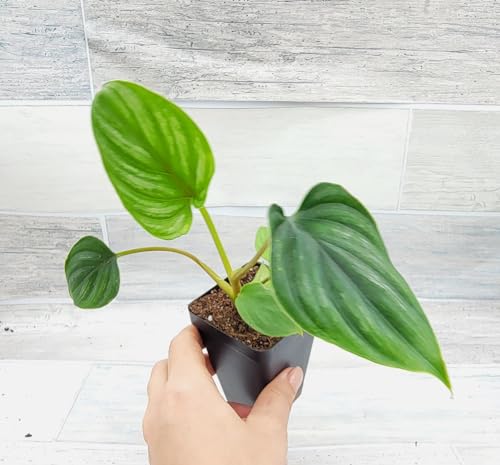
Philodendron plowmanii is a real showstopper with its large, glossy green leaves that have ruffled edges and prominent venation.
These eye-catching leaves can grow quite large, adding a dramatic touch to any indoor space.
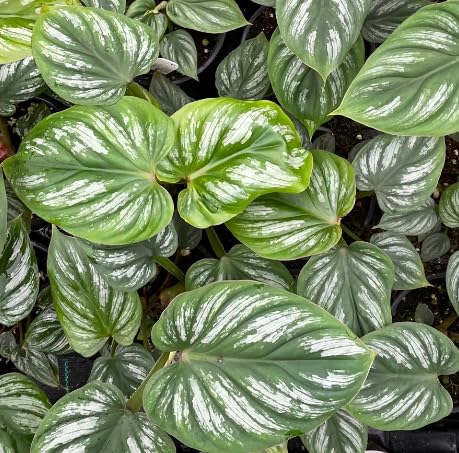
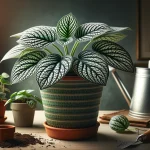
The Silver Cloud Philodendron Plowmanii is a unique and eye-catching variant of the Philodendron plowmanii, distinguished by its striking silver variegation on the leaves.
This plant features the same large, heart-shaped foliage typical of the species but with a beautiful silvery sheen that gives it an added visual appeal.
Origin and Classification
Originally, the Silver Cloud was classed as Philodendron mamei due to their similar appearance.
However, closer botanical studies revealed enough differences to reclassify Silver Cloud under Philodendron plowmanii. The main differences lie in the leaf texture and variegation patterns.
Philodendron Mamei: Known for its deep green leaves adorned with silver blotches, giving it the “Silver Cloud” nickname. These silver variegations provide a pleasant contrast to the green foliage.
Philodendron Plowmanii: Although also having large, heart-shaped leaves, the variegation in plowmanii tends to be more yellowish-green without the same level of silvery markings seen in mamei.
However, the Silver Cloud Philodendron Plowmanii further blurs the lines between the two species.
Key Differences
Distinguishing Philodendron Mamei from Philodendron Plowmanii can be tricky, but some key features can help you identify them.
Let’s clarify a few points to help you distinguish Philodendron Mamei from Philodendron Plowmanii:
Leaf Veins:
Mamei has veins that are more closely spaced.
Plowmanii’s veins are farther apart.
Leaf Surface:
Mamei has a greener appearance with smaller, scattered silver speckles.
Plowmanii’s silver variegation is more subdued, often described as “splashes,” and the overall leaf might have a slightly textured look.
Silver Cloud: This Plowmanii variety has silver strikings on its leaves, creating a visually striking appearance.
Petiole (Leaf Stalk):
Plowmanii’s petioles have distinctive ruffles along the edges, which are absent in Mamei’s smoother petioles.
Additionally, Plowmanii’s petioles often have a pinkish hue.
Leaf Base:
Mamei’s leaf base has a more concave shape.
Plowmanii’s lobes appear closer together.
Additional Factors:
Mamei has cataphylls (small scale-like leaves) that shield new growth.
Plowmanii lacks cataphylls and instead has a deep socket where new leaves emerge.
Remember that variations can exist within each species, so consulting plant identification resources or experienced growers can be helpful if you’re still unsure.
2. Philodendron Plowmanii Size
Howdy folks! If you’re wondering just how big your Philodendron plowmanii can get, you’re in for a treat.
This plant can grow quite large both indoors and out, depending on the conditions. Although it is a slow grower you’ll want to make sure you have enough room for it.
Indoor Size
When grown indoors, Philodendron plowmanii typically reaches about 8 feet in height and can spread up to 5 feet wide.
Its large, heart-shaped leaves can span several feet in length, making it a stunning statement piece for any indoor garden.
The plant grows slowly but steadily, with its foliage emerging from reddish cataphylls and unfurling into those gorgeous, leathery leaves we all love.
Outdoor Size
In its natural habitat in the rainforests of Peru and Ecuador, Philodendron plowmanii can reach heights of up to 30 feet.
However, when cultivated outdoors in suitable climates, such as USDA zones 10-11, it can also achieve significant growth.
Just remember, if you’re growing it outdoors and temperatures drop below 60°F, it’s crucial to bring the plant indoors to prevent cold damage.
Key Growth Characteristics
Leaves: The large, glossy green leaves with wavy edges can vary in size but are typically around 7 to 15 inches (18 to 38 cm) long indoors. These leaves not only add visual interest but also serve as a testament to the plant’s robust health.
Growth Habit: Philodendron plowmanii is a crawler rather than a climber, spreading horizontally along the ground. This habit makes it ideal for ground cover in tropical garden setups or as a sprawling indoor plant.
With the right care, your Philodendron plowmanii can become a magnificent addition to your plant collection, offering both beauty and a touch of the exotic.
3. Light Requirements
Alright folks, let’s talk about the lighting needs of our Philodendron plowmanii. Light is a crucial factor for keeping this beauty happy and healthy.
Get this part right, and you’re well on your way to having a thriving plant.
Optimal Light Conditions
Philodendron plowmanii loves bright, indirect light. Avoid direct sunlight as it can scorch the leaves, causing unsightly damage.
It thrives in dappled or filtered light environments, mimicking its natural rainforest habitat.
Light Adjustments
While this plant can tolerate lower light conditions, it may become leggy as it stretches towards the light. It’s variation may fade under low light conditions.
For the best growth and leaf color, ensure it gets plenty of bright, indirect light.
4. Soil and Potting
Now, let’s dig into the dirt—literally! The right soil and potting setup are essential for Philodendron plowmanii.
With the right mix and pot, your plant will have a strong foundation to grow and thrive.
Soil Mix
Philodendron plowmanii thrives in a well-draining soil mix. A good combination includes peat moss, perlite, and orchid bark or an aroid mix. This blend retains moisture while ensuring proper drainage, which is crucial to prevent root rot.
Personally, I prefer using a mix of coco coir and perlite. Coco coir helps retain moisture while perlite ensures excellent drainage, making it a fantastic alternative for keeping your plant’s roots healthy and happy.
By using this soil mix, you can create an optimal growing environment for your Philodendron plowmanii.
Potting Tips
When it comes to pots, drainage is key. Choose pots with good drainage holes to allow excess water to escape.
Terracotta pots are a fantastic choice because they help wick away excess moisture, keeping the roots healthy and happy.
5. Watering Schedule
Alright, let’s dive into watering—one of the most important aspects of Philodendron plowmanii care.
Getting the watering right can make all the difference in keeping your plant healthy and thriving.
Watering Needs
Water your Philodendron plowmanii when the top inch of soil feels dry.
It’s crucial to avoid overwatering, as this can lead to root rot, which is a common problem for many houseplants. Keeping the soil moisture balanced is key.
Watering Technique
The best method for watering is thoroughly soaking the soil and then allowing the top 2 inches to dry out before watering again.
Ensure that any excess water drains out completely to prevent the roots from sitting in water, which can cause rot.
6. Temperature and Humidity
Let’s chat about the ideal climate for your Philodendron plowmanii. Temperature and humidity play a huge role in keeping this tropical plant happy and healthy.
Get these right, and you’ll have a thriving beauty on your hands.
Temperature Range
Philodendron plowmanii prefers a warm environment with temperatures ranging from 65°F to 85°F (18°C to 29°C).
It’s important to avoid temperatures below 60°F (15°C) as the plant can suffer from cold stress, which can stunt its growth or cause damage.
Humidity Levels
This plant loves high humidity, ideally between 60-80%. If your home is dry, consider using a humidifier or placing your plant on a pebble tray filled with water to maintain the necessary humidity levels.
Keeping the air around your plant humid will mimic its natural rainforest environment and promote lush, healthy growth.
Fertilization
Feeding your Philodendron plowmanii the right way is essential for its growth and overall health.
Let’s dive into the best practices for fertilizing this stunning plant to keep it thriving year-round.
Feeding Schedule
Fertilize your Philodendron plowmanii every 4-6 weeks during the growing season, which is typically in spring and summer.
Use a balanced, diluted liquid fertilizer to provide the necessary nutrients without overwhelming the plant.
During the fall and winter months, when the plant’s growth slows down, reduce the frequency of fertilization to prevent overfeeding.
Choosing the Right Fertilizer
A balanced fertilizer with an equal ratio of nitrogen, phosphorus, and potassium (like a 10-10-10 or 20-20-20 formula) works well for this plant.
Dilute the fertilizer to half the recommended strength to avoid burning the roots. Organic options like fish emulsion or compost tea can also be great alternatives for a more natural feeding approach.
Application Tips
Apply the fertilizer evenly around the base of the plant, being careful not to get it on the leaves.
Water the plant thoroughly after fertilizing to help distribute the nutrients throughout the soil.
Always follow the instructions on the fertilizer package for the best results.
7. Pruning and Maintenance
Keeping your Philodendron plowmanii looking its best involves a bit of regular upkeep.
Let’s talk about how to prune and maintain your plant to ensure it stays healthy and vibrant.
Pruning Tips
Regular pruning is key to promoting healthy growth and keeping your Philodendron plowmanii in top shape.
Remove any yellow, damaged, or dead leaves to allow the plant to focus its energy on new growth.
Pruning not only improves the plant’s appearance but also prevents the spread of disease by eliminating affected areas.
Use clean, sharp scissors or pruning shears to make clean cuts and avoid damaging the plant.
General Maintenance
Apart from pruning keep an eye on your plant for any signs of pests or disease. Common pests include spider mites, mealybugs, and aphids, which can be treated with neem oil or insecticidal soap.
Regularly inspect the leaves and stems for any unusual spots, discoloration, or webbing. If you notice any issues, address them promptly to prevent them from spreading.
Maintaining proper humidity and watering practices will also help keep your Philodendron plowmanii healthy.
Make sure the plant gets enough light, water it correctly, and maintain the humidity levels to create an optimal growing environment.
By staying vigilant and giving your plant the care it needs, you’ll enjoy a lush, beautiful Philodendron plowmanii for years to come.
8. Repotting Guidelines
Repotting your Philodendron plowmanii is an essential part of its care routine. It ensures the plant has enough space to grow and access to fresh nutrients. Let’s go over when and how to repot this lovely plant.
When to Repot
Your Philodendron plowmanii will generally need repotting every 2-3 years. However, if you notice the plant becoming root-bound where roots start to circle around the pot or grow out of the drainage holes it’s time to repot.
Repotting during the spring or early summer is ideal, as this is the plant’s active growing season and will help it recover quickly from the move.
Choosing the Right Pot
When selecting a new pot, choose one that is slightly larger than the current one, usually 1-2 inches wider in diameter.
This gives the roots space to expand without overwhelming them with too much soil, which can retain excess moisture and cause root rot.
Make sure the pot has good drainage to prevent water from sitting at the bottom.
How to repot Philodendron plowmanii:
Prepare the New Pot: Add a layer of fresh, well-draining soil mix at the bottom of the new pot. A blend of peat moss, perlite, and orchid bark works well.
Remove the Plant: Carefully remove your Philodendron plowmanii from its current pot. If the plant is stuck, gently tap the sides of the pot or run a knife around the edges to loosen it.
Inspect the Roots: Check the roots for any signs of rot or disease. Trim away any damaged or excessively long roots with clean, sharp scissors.
Repot the Plant: Place the plant in the new pot, centering it and filling in around the roots with fresh soil. Press the soil down gently to eliminate air pockets, but avoid packing it too tightly.
Water Thoroughly: Water the plant well after repotting to help settle the soil and establish the plant in its new home. Ensure excess water drains out completely.
Post-Repotting Care: Place the newly repotted plant in its usual spot with the right light conditions. Monitor the plant closely for the first few weeks to ensure it adapts well to its new pot.
Repotting might seem like a big task, but it’s a rewarding process that gives your Philodendron plowmanii a fresh start and the space it needs to grow and thrive.
9. How To Propagate Philodendron plowmanii
Propagating your Philodendron plowmanii is a fantastic way to expand your plant collection or share this beautiful plant with friends.
Let’s go over the steps to successfully propagate this plant through stem cuttings.
Stem Cuttings
Propagating via stem cuttings is a straightforward and effective method. This can be done in either water or soil, and the best time to do it is during the spring when the plant is actively growing.
Propagation Steps
Select a Healthy Stem: Choose a healthy stem with at least one node (the point where leaves attach to the stem) and a few leaves. The stem should be free from any signs of disease or pests.
Make the Cut: Using clean, sharp scissors or pruning shears, cut the stem just below a node. This node is where new roots will form. The cutting should be about 4-6 inches long.
Prepare the Cutting: Remove the lower leaves from the cutting, leaving at least one or two leaves at the top. This helps prevent rot and focuses the plant’s energy on root development.
Root in Water or Soil:
In Water: Place the cutting in a jar of water, ensuring the node is submerged but the leaves are above water. Change the water every few days to keep it fresh. Place the jar in a warm, bright spot with indirect light. Roots should start to form in 2-4 weeks.
In Soil: Plant the cutting in a pot with well-draining soil, such as a mix of peat moss and perlite. Water lightly and cover the pot with a plastic bag to create a humid environment, but make sure the leaves do not touch the plastic. Place the pot in a bright, indirect light location.
Monitor and Care: Check the cuttings regularly for root development. For soil propagation, gently tug on the cutting after a few weeks; if you feel resistance, roots have formed. For water propagation, wait until the roots are a few inches long before transferring the cutting to soil.
Transplanting: Once the roots are well-established, transplant the cutting to a pot with well-draining soil. Continue to care for it as you would a mature Philodendron plowmanii.
Propagating Philodendron plowmanii is a rewarding process that allows you to create new plants and enjoy the beauty of this species even more.
10. Common Problems and Solutions
Even with the best care, Philodendron plowmanii can face a few challenges. Knowing what to look out for and how to address these issues can keep your plant healthy and thriving.
Pests
Philodendron plowmanii can be susceptible to a variety of pests, including spider mites, mealybugs, aphids, and scale. These pests can cause significant damage if not addressed promptly.
Spider Mites: Tiny and often hard to see, spider mites create fine webs on the leaves. They can cause yellowing and speckled leaves. Increase humidity and wash the leaves with water to manage light infestations. For severe cases, use neem oil or insecticidal soap.
Mealybugs: These pests look like small cotton balls and tend to cluster in leaf joints. They suck the sap, weakening the plant. Remove them manually with a cotton swab dipped in rubbing alcohol, or use insecticidal soap or neem oil.
Aphids: These small, soft-bodied insects can be green, black, brown, or pink. They feed on new growth, causing distortion and yellowing. Spray them off with water and treat with insecticidal soap if necessary.
Scale: These pests attach to stems and leaves, appearing as small bumps. They can stunt growth and cause yellowing. Remove them manually and treat the plant with neem oil or insecticidal soap.
Diseases
Philodendron plowmanii can also be affected by a few common diseases, primarily due to improper watering and humidity levels.
Root Rot: Caused by overwatering or poor drainage, root rot leads to brown, mushy roots and yellowing leaves. To prevent this, ensure your pot has good drainage and let the soil dry out between waterings. If root rot occurs, trim the affected roots and repot the plant in fresh, well-draining soil.
Leaf Spot: Fungal or bacterial infections can cause dark spots on leaves, often with yellow halos. Increase air circulation, avoid wetting the leaves, and remove affected leaves to prevent the spread. Fungicides or bactericides may be necessary for severe cases.
General Care Tips
Humidity and Temperature: Keep the humidity high (60-80%) and avoid temperatures below 60°F (15°C). Use a humidifier or pebble tray to maintain humidity levels.
Watering: Use the soak-and-dry method, ensuring the soil dries out between waterings to prevent root rot.
Light: Provide bright, indirect light to prevent legginess and promote healthy growth.
Inspection: Regularly check your plant for signs of pests and diseases. Early detection and treatment are crucial to keeping your plant healthy.
By staying vigilant and addressing issues promptly, you can keep your Philodendron plowmanii in excellent health.
11. More Philodendron plowmanii Tips
Here are a few extra tips to help you get the most out of your Philodendron plowmanii. These plants can thrive both indoors and outdoors, and they offer some great benefits to your home environment.
Common Problems With Philodendron Plowmanii
Watch out for these common issues when growing your Philodendron plowmanii indoors.
Yellow Leaves
Yellow leaves are a telltale sign of stress in many houseplants, and Philodendron plowmanii is no exception.
This can be due to underwatering, lack of light, low humidity, or pests. Take a good look at your plant’s environment to figure out what might be causing the problem.
Brown Leaves
Brown leaves are another sign that your plant is under stress. These can show up as brown edges, large brown spots, or even small brown or rust-colored spots.
Brown Edges: Usually caused by insufficient humidity or underwatering.
Large Brown Spots: Often a result of leaf burn from too much direct sunlight, overwatering, or a fungal infection.
Small Brown or Rust-Colored Spots: Typically indicate a fungal leaf spot disease, which is pretty common among philodendrons.
Keep an eye on your plant and adjust its care as needed to keep it looking its best.
Indoor vs. Outdoor Growth
Philodendron plowmanii can be grown outdoors in USDA zones 10-11. These regions have the warm, humid conditions that the plant loves.
However, if you live in an area where temperatures drop below 60°F (15°C), it’s important to bring the plant indoors to protect it from the cold.
When indoors, place the plant in a spot with bright, indirect light and maintain high humidity levels to mimic its natural habitat.
Air Purifying Benefits
One of the great benefits of having a Philodendron plowmanii in your home is its air-purifying qualities.
This plant helps remove toxins from the air, making it a fantastic addition to any indoor space.
Not only does it add a touch of greenery, but it also contributes to a healthier living environment by improving air quality.
Is Siver Cloud Plowmanii Really a Creeper?
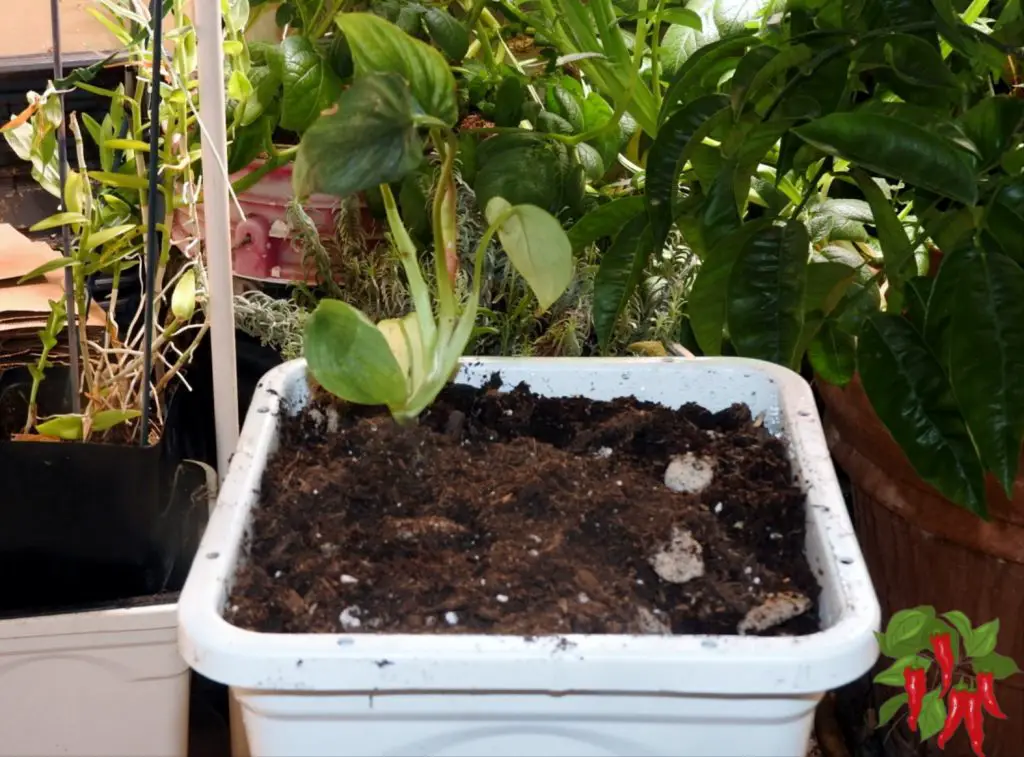
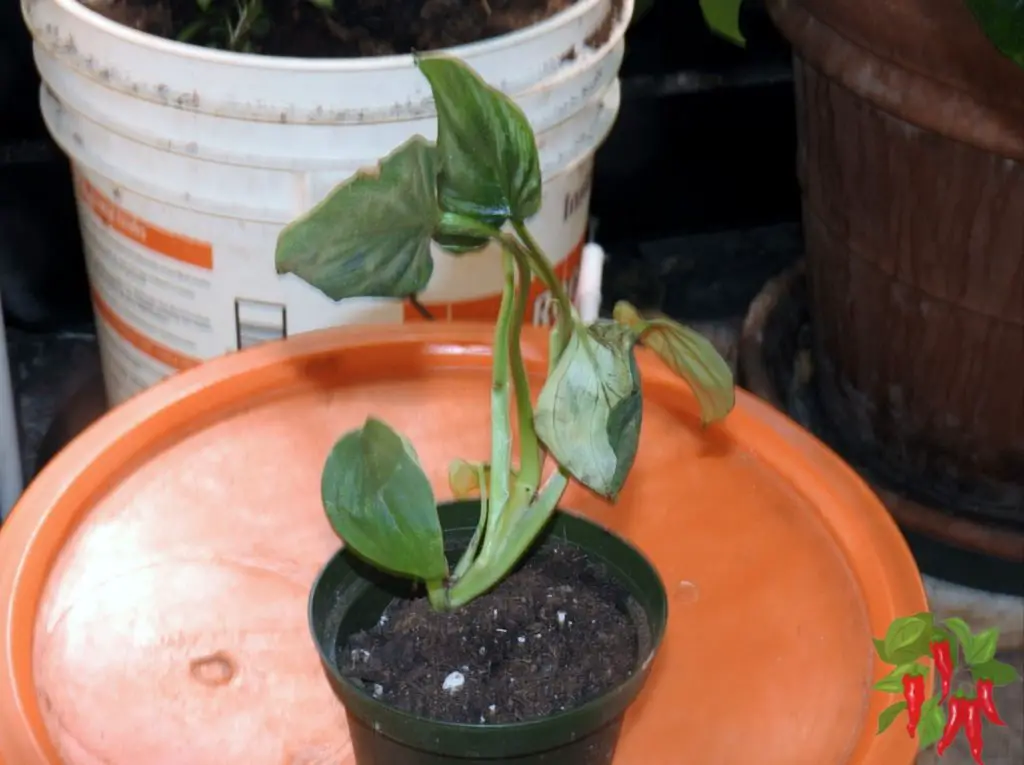
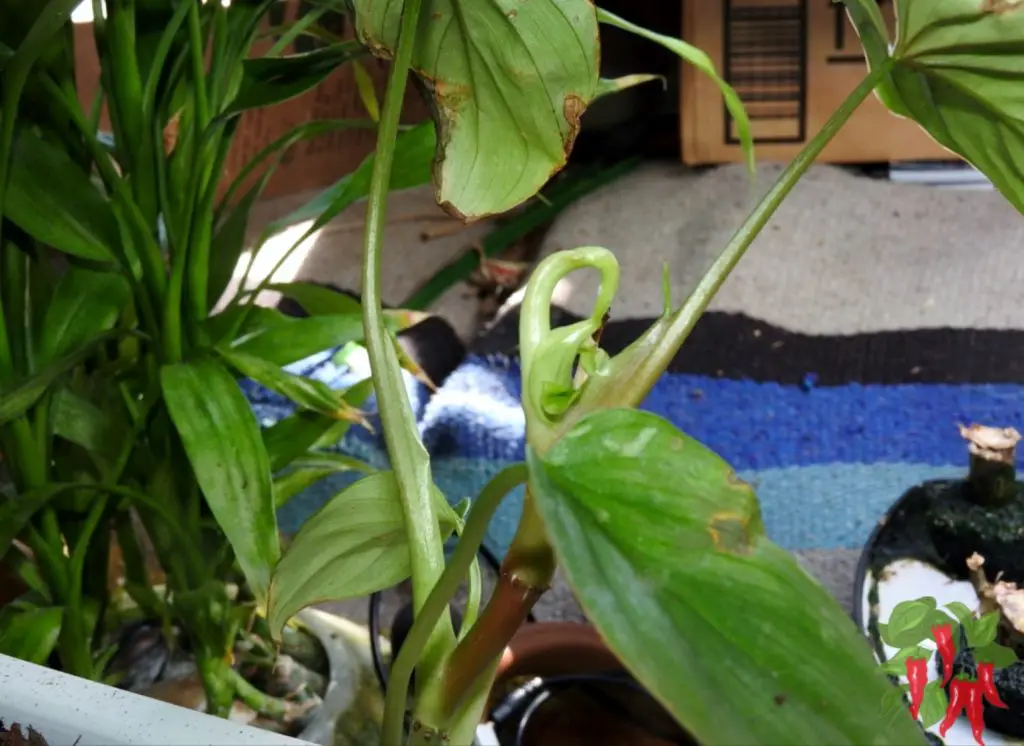
My plant is still really young and about 2 weeks after planting it is growing a new leaf. I planted it in a corner of the pot so it would have room to crawl.
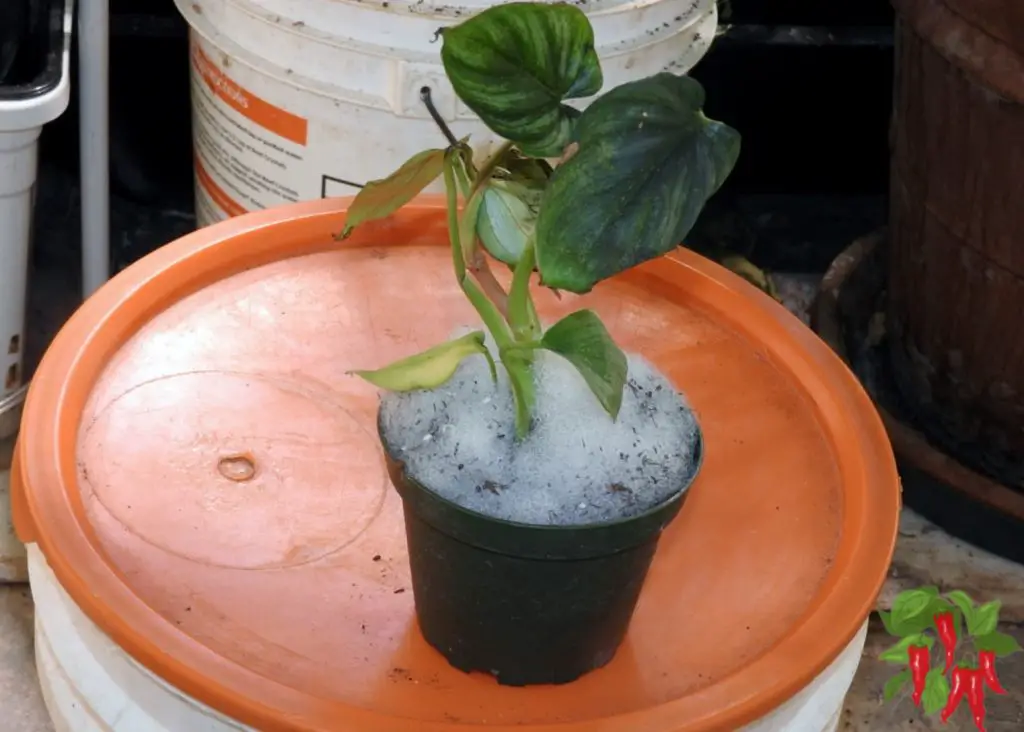
I have heard some folks who have a Silver Cloud say the plant likes to climb rather than creep.
Mine appears very upright and it seems like it should be trained to climb. So I will follow its inclination to stay upright as I train it.
I am waiting to see if it will produce aerial roots and will update as I learn more about this plant.
I am hoping new leaves will show the silver splashes the plant is known for.
Conclusion
Well, folks, there you have it! Philodendron plowmanii is a resilient and captivating plant that can thrive with the right care.
It’s not too demanding, and with a bit of attention, you can enjoy its tropical beauty in your home.
Whether you’re a seasoned plant enthusiast or just starting out, this plant is a fantastic addition to any collection.
So go ahead, give it a try, and watch it flourish! Here’s a quick recap:
Philodendron plowmanii Key Takeaways
Light: Bright, indirect light is best.
Soil: Well-draining mix with peat moss, perlite, and orchid bark.
Watering: Water when the top inch of soil is dry.
Temperature: 65°F to 85°F is ideal.
Humidity: Keep levels high (60-80%).
Fertilization: Every 4-6 weeks during growing season.
Pruning: Remove yellow or damaged leaves regularly.
Repotting: Every 2-3 years or when root-bound.
Propagation: Use stem cuttings in water or soil.
Pests: Monitor for spider mites, mealybugs, aphids, and scale.
By following these guidelines, you can ensure your Philodendron plowmanii remains healthy and vibrant, adding a touch of tropical beauty to your space. Keep it green, everyone!
Howdy everyone! I’ve gathered some of the most frequently asked questions about Philodendron plowmanii to help you out.
Let’s dive into these common queries and get you the answers you need.
Q. Is Philodendron plowmanii a climber or crawler?
A. Philodendron plowmanii is a crawler. It spreads out horizontally rather than climbing, making it perfect for ground cover or a lush, spreading look in your indoor garden.
Q. Is Philodendron plowmanii easy to care for?
A. Yes, it’s relatively easy to care for. With the right light, water, and humidity, this plant can thrive indoors without too much fuss.
Q. How often should I water plowmanii?
A. Water your Philodendron plowmanii when the top inch of soil feels dry. It’s important to avoid overwatering to prevent root rot.
Q. How to propagate Philodendron plowmanii?
A. You can propagate Philodendron plowmanii via stem cuttings. Simply cut below a node, root the cutting in water or soil, and keep it in a humid environment with indirect light until it establishes roots.
Q. Can you put philodendron cuttings straight into soil?
A. Yes, you can put philodendron cuttings straight into soil. Just make sure the soil is well-draining and the environment is humid to encourage root development.
Q. Can Philodendron be rooted in water?
A. Absolutely! Philodendron cuttings can be rooted in water. Place the cutting in a jar of water, ensuring the node is submerged, and wait for roots to develop before transferring to soil.
Q. What type of light is best for Philodendron plowmanii?
A. Bright, indirect light is ideal. Avoid direct sunlight to prevent leaf scorch.
Q. How often should I water my Philodendron plowmanii?
A. Water when the top inch of soil is dry, using the soak-and-dry method. This helps prevent overwatering and root rot.
Q. Can Philodendron plowmanii grow outdoors?
A. Yes, it can grow outdoors in USDA zones 10-11. However, bring it indoors if temperatures drop below 60°F to protect it from the cold.