Discover the joy of indoor gardening with easy-care plants for small apartments! Our guide offers top picks and care tips to greenify your space effortlessly.
Easy-care Plants for Small Apartments
Key Takeaways:
Easy-care Plants for Small Apartments include:
ZZ plant
Peace lily
Pothos
Philodendron
Aloe vera
Spider Plant
Monstera
Chinese Evergreen
Dracaena
Snake plant
Rubber Plant
These plants are ideal for limited spaces due to their low maintenance, ability to thrive in varying light conditions, and air-purifying qualities, making them perfect for busy lifestyles.
11 Easy-care Plants for Small Apartments: Easy Going Growing
Howdy, green thumbs and plant newbies alike! Dreaming of turning your snug apartment into a mini jungle without the hassle? You’re in the right spot!
Our handy guide to fuss-free plants for small spaces is about to make your indoor gardening dreams come true, no matter how cramped your quarters.
So, whether you’ve got a track record of nurturing a forest in your living room or you’re just dipping your toes into the world of plants, we’ve got the lowdown on how to greenify your pad with the least amount of fuss.
Let’s get those tiny spaces bursting with life and clean air, shall we?
Ever thought your compact apartment could feel like a lush, cozy retreat? Well, it’s totally possible with the right leafy buddies!
Adding a sprinkle of green to your nook does more than just prettify the place – it’s like a natural air freshener and a mood booster all rolled into one.
Dive into our guide to uncover 11 no-fuss plants that are just perfect for sprucing up small spaces. And don’t worry if you’re not exactly a plant whisperer yet – we’ve got all the tips and tricks to help these green pals flourish right at your fingertips.
1. ZZ Plant (Zamioculcas zamiifolia)
Let’s dive into the world of the ZZ Plant, or Zamioculcas zamiifolia, a real lifesaver for plant-loving folks who are always on the run.
This green warrior is as tough as they come, thriving in spots that would make other plants throw in the towel.
It’s the go-to buddy for adding a dash of elegance to any corner, with its shiny, dark green leaves that just scream sophistication.
Why the ZZ Plant Rocks Your Indoor Garden:
Light Loving (or Not So Much): The ZZ Plant isn’t picky. It’s happy in the shade or with some indirect sunlight – perfect for that cozy corner that doesn’t get much love from the sun.
Thirst Schedule: This plant is the definition of low maintenance. Let the soil dry out completely before giving it a drink. It’s a champ at dealing with drought, so when in doubt, wait it out before watering.
Watch Out For: Overloving it with water is the main no-no. Too much H2O can lead to soggy roots. Yellow leaves? Your ZZ might be telling you it’s had more than its fill. And, oh, keep it away from curious pets and kiddos – it’s not for nibbling.
Pro Tips for Pro Plant Parents:
Home Sweet Home: Pick a pot that lets the water run free and a soil mix that won’t hold onto moisture for too long.
Leaf Love: Keep those glossy leaves gleaming with a gentle wipe-down. It’s like a mini spa day for your plant, and it helps it soak up more light.
Feeding Frenzy: This plant isn’t a big eater, but a little plant food every now and then (think spring and summer) will keep it happy and growing.
In a nutshell, if you’re after a plant that brings the style without the fuss, the ZZ Plant is your green dream come true. It’s as resilient as they come, making it a perfect match for small spaces and busy plant lovers wanting to bring a bit of the outdoors in.
2. Peace Lily (Spathiphyllum)
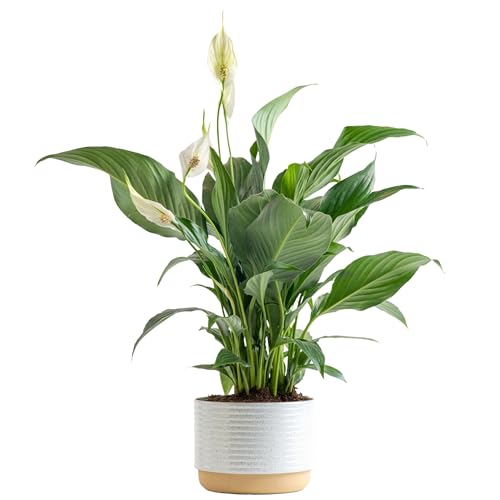
Meet the Peace Lily, or Spathiphyllum, a real showstopper for those of us squeezing into snugger living quarters.
It’s not just its sleek, elegant vibe that wins hearts, but also its superhero ability to scrub the air clean.
Yep, this leafy friend is on a mission to zap those nasty toxins, making it a top-notch roommate for any indoor setting.
Why You’ll Love the Peace Lily:
Light Flexibility: These beauties are pretty chill about their sunbathing habits. They’re happy in low to medium light, making them perfect for those not-so-sunny spots in your place.
Water Wise: They like their soil on the moist side but are totally not into soggy feet. A quick check of the topsoil will tell you when it’s time for a drink. Droopy leaves? That’s their way of saying, “Water me, please!” But, let’s not wait until they’re thirsting for it.
Air-Cleaning Champ: The Peace Lily is like a living air purifier, tackling indoor pollutants head-on. It’s not just a pretty face; it’s working hard to keep your air fresh and clean.
Extra Care Tips to Keep Your Peace Lily Thriving:
Craving Humidity: If your place feels more desert than tropical, give your Peace Lily a humidity boost with a humidifier or a simple misting. They’ll thank you for it.
Flower Power: Those stunning white blooms aren’t just for show; they’re a sign your plant is happy. Bright, indirect light and a bit of fertilizer will encourage more flowers.
Safety First: Keep in mind, Peace Lilies and pets or little ones don’t mix well. It’s best to keep the plant out of reach to avoid any oops moments.
Caring for a Peace Lily is a breeze, and the payoff is huge. Not only do you get a space that’s more zen and stylish, but you also enjoy the benefits of cleaner air.
It’s a win-win for apartment dwellers looking to add a touch of green without the green thumb hassle.
3. Pothos (Epipremnum aureum)
Say hello to the Pothos, or as some folks like to call it, Devil’s Ivy. This plant is a real gem for anyone looking to sprinkle a little green magic into their cozy corners.
With its heart-shaped leaves dancing down trailing vines, it brings a splash of life to any room, turning bland spaces into lush hideaways.
Why Pothos Will Be Your New Plant BFF:
Light? No Problem: Whether your place is as bright as a sunny day or more on the dim side, Pothos isn’t fussy. It’s happy in a variety of lighting situations, though it does its best work in bright, indirect light.
Watering Made Simple: If you’re the type who forgets to water, no worries here. Pothos is chill about its drinking schedule. Just give it a good soak when the top inch of soil dries out. But remember, it’s not a fan of wet feet, so good drainage is key.
Growth Goals: Want to keep it bushy or let those vines run wild? You’re in control. A little trim here and there encourages a fuller look, while letting it grow gives your space that jungle vibe.
Extra Nuggets of Wisdom for Pothos Care:
Home Sweet Home: Repotting? Only when it’s bursting at the seams, which isn’t too often. Stick with a potting mix that lets water flow freely.
Keepin’ It Clean: Watch out for uninvited guests like spider mites and mealybugs. A quick leaf inspection and clean-up can keep your Pothos happy and healthy.
A Heads-Up: Pothos prefers not to be a snack. It’s not safe for nibbling by pets or kids, so keep it out of reach.
All in all, Pothos is a top-notch choice for adding a bit of nature’s charm to smaller spaces.
Its low-maintenance attitude and ability to adapt make it a dream plant for both green thumb veterans and those just starting their plant journey. Let its vines cascade or climb, and watch your space transform into a vibrant, green sanctuary.
4. Philodendron
Welcome to the lush world of Philodendrons, the ultimate green warriors for your indoor jungle.
These beauties are all about bringing that tropical vibe right into your living room, no passport needed.
With their wide variety of shapes, sizes, and shades of green, they’re like the Swiss Army knife of the plant world—versatile, adaptable, and oh-so-easy on the eyes.
Philodendron 101: Your Guide to Thriving Tropical Bliss
Sunlight Savvy: These leafy friends are pretty laid-back about their sunbathing habits. They dig medium, indirect light but won’t throw a tantrum if they’re a bit shaded. Just keep them out of direct sunlight to avoid a sunburn.
Watering Wisdom: Philodendrons like their drinks spaced out. Let the top inch of soil dry out before giving them a splash. They’re not fans of soggy roots, so good drainage is a must to keep them happy and hydrated.
Variety is the Spice of Life: From the heart-leaf to the split-leaf, Philodendrons come in all sorts of cool shapes and sizes. It’s like picking your favorite character in a video game; each one brings something special to the table.
Extra Care Tips for the Philodendron Fan Club:
Just Right Humidity: These tropical treasures love a bit of moisture in the air. If your place is more desert than rainforest, a humidifier or a bathroom spa session can do wonders.
Feed Me, Seymour: A little plant food goes a long way, especially during the spring and summer. Just ease up in the winter months when they’re taking it easy.
Potting and Plotting: Every now and then, your Philodendron will crave a change of scenery. When it’s time for a new pot, go slightly bigger and give them fresh soil to explore.
Philodendrons are pretty much the perfect roommates for those of us rocking the apartment life.
They’re low-maintenance, high-impact, and ready to transform your space into a slice of paradise.
So, whether you’re a seasoned plant parent or just starting your collection, a Philodendron is sure to add that splash of green goodness to your home.
5. Aloe Vera
Meet Aloe Vera: Not Just Your Average Plant
Aloe Vera isn’t just another pretty face in the plant world; it’s a powerhouse of healing, ready to tackle anything from sunburns to scrapes with its magical gel.
This succulent brings a dash of unique charm to your space, proving that beauty and utility can go hand in hand.
Your Go-To Guide for Growing Aloe Vera:
Sunlight Smarts: Aloe loves basking in bright, indirect light. Think of a cozy spot on your windowsill where it can soak up the rays without getting a sunburn. Just like us, it needs protection during those peak sunny hours to avoid getting crispy.
Watering Wisdom: When it comes to watering, think of Aloe as the camel of the plant kingdom. It prefers a good drink every now and then but likes to dry out between waterings. Overdoing it with water is a no-go, as it can lead to soggy roots.
Beyond Beauty: Aloe Vera’s gel is like the Swiss Army knife of natural remedies, great for easing burns, cuts, and even dry skin. A quick snip and squeeze, and you’ve got yourself a homegrown first-aid kit.
Extra Tips for Aloe Vera Aficionados:
The Right Mix: Opt for a cactus or succulent mix that drains like a dream, keeping those roots happy and healthy. A pot with drainage holes is a must to avoid waterlogged woes.
Propagation Pro-Tips: Notice little Aloe pups popping up? These babies can be separated and potted to start their own green journey, expanding your healing garden.
Keeping It Tidy: As your Aloe grows, you might see some older leaves drying up. Give them a gentle trim to keep things looking neat and encourage new growth.
Adding Aloe Vera to your urban oasis not only ups the green ante but also brings a touch of nature’s pharmacy right into your home.
With its easy-going nature and practical perks, Aloe Vera is a must-have for any plant lover, whether you’re in a sprawling house or a cozy apartment.
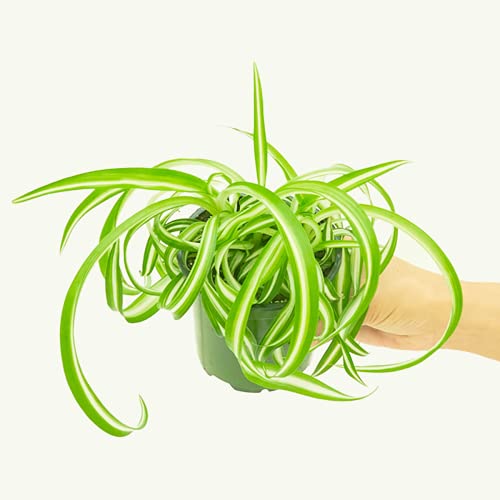
The Spider Plant, or Chlorophytum comosum if you want to get scientific, is more than just a pretty green thing to look at.
It’s like having a natural air filter in your home, zapping away toxins like carbon monoxide and formaldehyde.
For anyone keen on breathing cleaner air (and let’s be honest, who isn’t?), this plant is a green hero.
Your Spider Plant Survival Guide:
Breath of Fresh Air: These green buddies are pros at scrubbing the air clean, making them perfect for any room in need of a breath of fresh air. It’s like having your own eco-friendly air purifier that also looks great.
Lighting Up Its Life: Spider Plants aren’t fussy about where they hang out. They’re happy with bright, indirect light but can chill in shadier spots too. This easy-going nature makes them perfect for spots that other plants might snub.
Watering 101: They like their soil like their martinis—moist but not waterlogged. Be mindful not to overdo the watering, especially in the cooler months, to avoid soggy soil syndrome.
Extra Bits of Green Wisdom:
Baby Boom: Spider Plants are generous with their babies, producing cute little pups that can be easily shared or expanded into your plant family.
Safe Around Fur Babies: These plants are non-toxic, making them safe for homes with curious pets and little explorers.
TLC Tips: Snipping off brown tips and giving them a new pot when they’re feeling cramped will keep them looking and feeling great.
In a nutshell, the Spider Plant is a dream for those of us living in snug spaces or with packed schedules.
It’s low on the maintenance scale but high on benefits, purifying your air and adding a dash of green charm to your home.
7. Monstera
Dive Into the World of Monstera
Meet the Monstera, affectionately dubbed the Swiss Cheese Plant, a true showstopper in the indoor garden scene.
Its iconic, glossy leaves, complete with quirky holes, make it a conversation starter and a stunning green addition to any room.
These fenestrations aren’t just for show; they’re nature’s clever design, allowing light and rain to reach the lower leaves in their native jungle homes.
Monstera Care Made Easy:
Leafy Showpiece: The hallmark of a happy Monstera is its fenestrated leaves, a sign that you’re doing everything right. These unique perforations make each leaf a natural work of art.
Lighting the Way: Monsteras are sun worshippers but prefer to avoid direct rays that can be too harsh. Bright, indirect light will keep them thriving and encourage those signature holes to develop.
Tropical Vibes: Mimic their natural humid habitat with a humidifier or a regular misting session, especially during the dry winter months. They’re not fans of the cold, so keep them cozy and draft-free.
Thirst Quenching: Wait until the top inch of soil dries out before giving your Monstera a drink. They like to stay moist but despise waterlogged conditions, so good drainage is key to avoiding root rot.
Extra Love:
Feed Me: A little fertilizer goes a long way during the growing seasons of spring and summer, giving your Monstera the boost it needs.
Support System: As they grow, these plants might need a helping hand in the form of a moss pole or trellis to climb on, just like they would in the wild.
Leafy Clean: Keeping the leaves dust-free not only makes your Monstera shine but also supports its photosynthesis superpowers.
In essence, the Monstera is your go-to for adding a slice of tropical paradise to your indoor space.
With a bit of care focused on their love for light, humidity, and just the right amount of water, they’ll reward you with dramatic foliage that transforms your home into a lush, green haven.
8. Chinese Evergreen (Aglaonema)
Welcome to the World of Chinese Evergreen
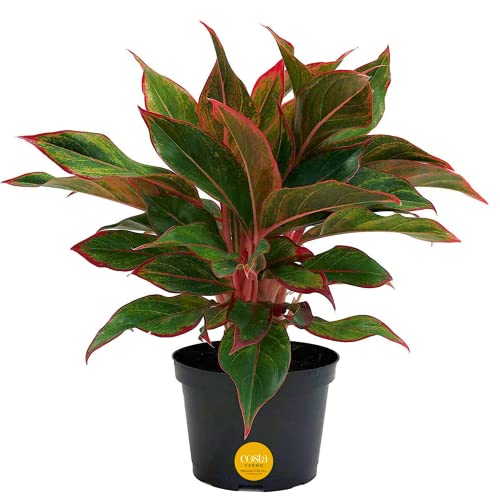
The Chinese Evergreen, with its dazzling variegated leaves, is a true gem for any indoor garden.
This plant is a master of adaptation, thriving in a variety of lighting conditions and adding a burst of color to any corner of your home.
Its ability to flourish in low-light environments makes it a perfect match for those spots away from the sunshine.
Your Chinese Evergreen Care Cheat Sheet:
Lighting the Way: While this plant is a champion of shade, it also appreciates bright, indirect light. Just be mindful to keep it away from too much direct sunlight, which can make it a bit leggy.
Water Wisdom: Finding the sweet spot for watering is key. Let the topsoil dry out a bit before giving it a drink, but don’t let it go thirsty for too long. Remember, it’s better to under-water than over-water, especially in cooler or dimmer conditions.
The Perfect Climate: Chinese Evergreens are all about that warm and humid life, thriving in temperatures between 65-80°F. A little misting or a humidifier can make them feel right at home.
Soil and Repotting: Stick with a light, well-draining mix and ensure your pot has good drainage to keep those roots happy. These slow-growers won’t need a new pot very often, but when they do, it’s a simple switch to keep them thriving.
Feeding Time: A bit of gentle liquid fertilizer during the growing months will do wonders. Just ease up in the winter to let your plant have a rest.
Keeping It Tidy: Minimal pruning is needed, just a quick trim of any dead leaves. And if you’re feeling adventurous, propagation by division is a great way to expand your green family.
Navigating Common Hurdles:
Watering Woes: Yellow leaves can signal both over and under-watering, so keep an eye on your plant’s hydration levels to find the right balance.
Avoiding Root Rot: Good drainage is crucial to prevent waterlogged soil, which can lead to root rot. If you spot trouble, a fresh pot and soil can give your plant a new lease on life.
The Chinese Evergreen’s stunning looks and low-maintenance nature make it a top pick for enhancing indoor spaces, even in those less-than-sunny spots.
Whether you’re a seasoned plant parent or just starting out, this resilient and decorative plant is sure to bring joy and a splash of color to your home.
9. Dracaena
Meet Dracaena: The Air-Purifying Champion
Dracaena plants are like the unsung heroes of the indoor garden world, tirelessly working to cleanse the air of unwanted toxins and bringing a breath of fresh air to your living space.
These leafy warriors are not just about functionality; they come with a stylish flair, adaptable to various lighting conditions, and making them a versatile choice for any room.
Dracaena Care Essentials:
Lighting the Way: Dracaenas are pretty flexible with their sunbathing preferences, thriving in anything from medium indirect light to the more subdued glow of a low-light corner. Just remember, they’re not fans of the spotlight, so keep them away from direct sunlight to avoid any leafy sunburn.
Watering Wisdom: These plants like their soil on the drier side, so wait until the top three-quarters is dry before giving them a drink. Come winter, they’re all about that less-is-more life, so ease up on the watering can.
Climate Control: Dracaenas enjoy the warmer side of life, preferring cozy temperatures between 65-80°F. They’re not about that chilly life, so keep them away from cold drafts. A little humidity and a regular misting session will keep them happy and hydrated.
Feeding Finesse: They’re not big eaters, so a light feeding with diluted houseplant food a couple of times a year should suffice. Spring and summer are their dining out seasons, so you can give the fertilizer a rest when winter rolls around.
A Note on Toxicity: While they’re a treat for the eyes, they’re not so much for the stomach. Dracaena leaves can cause irritation if ingested, so it’s best to keep them out of reach of curious pets and little ones.
Choosing Dracaena for your home means you’re not just getting a plant; you’re investing in a natural air purifier that also happens to be easy on the eyes.
With their low-maintenance care routine and their knack for improving air quality, Dracaenas are a top-notch choice for anyone looking to greenify their space with minimal fuss.
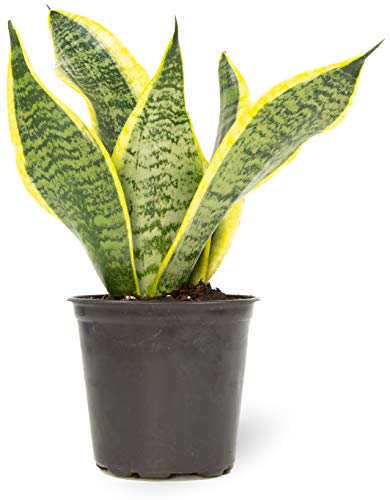
10. Snake Plant (Sansevieria trifasciata)
Welcome to the World of the Snake Plant
The Snake Plant, or Dracaena trifasciata for the botanically inclined, is a true powerhouse in the plant kingdom.
Known for its striking, upright leaves and exceptional air-purifying capabilities, this plant is a favorite for those looking to add a breath of fresh air to their homes—quite literally.
Its ability to release oxygen at night makes it a perfect bedroom companion, ensuring cleaner air while you sleep.
Your Guide to Snake Plant Care:
Lighting Flexibility: This hardy plant is a champion of versatility, thriving in everything from the cozy corners of low light to the bright spots of direct sunlight. For a happy medium, moderate, indirect light will keep it growing strong.
Watering Wisdom: When it comes to hydration, the Snake Plant prefers a dry climate. Let the soil dry out completely between waterings to avoid overwatering, which is the quickest way to a sad Snake Plant.
Ease of Care: If you’re someone who loves plants but lacks a green thumb, the Snake Plant is your perfect match. It’s forgiving and low maintenance, thriving on neglect, making it ideal for both busy plant lovers and beginners.
Choosing a Snake Plant for your home means you’re not just getting a stylish green addition; you’re also investing in your health, thanks to its air-cleaning and oxygen-producing powers.
With minimal care requirements and a tolerance for a wide range of environments, the Snake Plant is a top choice for anyone looking to greenify their space effortlessly.
11. Rubber Plant (Ficus elastica)
Discover the Charm of the Rubber Plant
The Rubber Plant, or Ficus elastica, is a true gem for those looking to add a dash of sophistication to their living spaces.
Known for its large, glossy leaves that can make any corner look chic, this plant isn’t just about good looks.
It also plays a role in purifying the air, making it a stylish and functional addition to your home.
Rubber Plant Care 101:
Lighting Loves: This plant is a fan of bright, indirect sunlight but won’t throw a fit if placed in lower light conditions. Just be sure to shield it from direct sunbeams to avoid leaf burn.
Watering Wisdom: Let the top inch of soil dry out before giving your Rubber Plant a drink. It’s quite drought-tolerant, so when in doubt, it’s better to under-water than over-water.
Comfort in Climate: It enjoys the cozy, stable temperatures of most homes and can handle some humidity fluctuations like a champ.
Shiny Leaf Tips: Keep those gorgeous leaves gleaming with a regular wipe-down, which not only keeps the plant looking fresh but also supports its photosynthesis process.
The Rubber Plant is an ideal pick for anyone looking to strike a balance between aesthetic appeal and ease of care.
Its ability to adapt to various indoor conditions, coupled with its air-purifying properties, makes it a valuable and attractive addition to any apartment.
A Note on Safety: Be mindful that the Rubber Plant is not a snack. Its sap contains irritants that can upset the stomachs of both humans and pets if ingested, potentially leading to unpleasant symptoms.
To keep your loved ones safe, place this plant out of reach of curious hands and paws.
Easy-care Plants for Small Apartments FAQs
Q: How do I know if I’m overwatering my plants?
A: Signs of overwatering include yellowing leaves, a mushy base, or mold on the soil surface. If you suspect overwatering, let the soil dry out more between waterings and ensure your pots have good drainage.
Q: Can indoor plants help reduce stress?
A: Absolutely! Studies have shown that keeping plants in your living space can lower stress and anxiety levels, improve mood, and even enhance concentration and productivity.
Q: How can I increase humidity for my humidity-loving plants?
A: Besides misting your plants, you can place a water tray near them, group plants together, or use a humidifier to increase the moisture in the air around your green friends.
Q: Do I need to fertilize my indoor plants?
A: Yes, but sparingly. Most indoor plants benefit from a balanced, water-soluble fertilizer every few months, especially during their growing seasons (spring and summer). However, it’s important to follow the specific needs of each plant type.
Q: How can I tell if my plant is getting too much light?
A: Signs that a plant is getting too much light include faded or scorched leaves. If you notice these symptoms, move your plant to a spot with less direct sunlight.
Q: Are there any pet-safe indoor plants?
A: Yes, many indoor plants are safe for pets, including the Spider Plant and certain types of ferns like Boston Ferns. However, always research or consult a professional before introducing a new plant into a home with pets.
Q: How often should I repot my indoor plants?
A: Generally, indoor plants need to be repotted every 1-2 years, or when you notice signs like roots growing through the drainage holes, slower growth, or the plant becoming top-heavy. Repotting provides fresh nutrients and room to grow.
By understanding the specific needs and benefits of easy-care plants, you can create a thriving indoor garden that enhances your apartment living, no matter the size of your space or the amount of natural light it receives.
Easy-care Plants for Small Apartments Conclusion
Having indoor plants in a small apartment can be more than just a decorative choice; it’s about bringing nature into your home and enjoying the benefits it offers.
Embracing Greenery in Compact Living Spaces
Welcoming indoor plants into your cozy apartment transcends mere decoration—it’s about infusing your space with the essence of nature and reaping the myriad benefits it brings.
As we conclude our exploration of easy-care indoor plants, let’s reflect on key insights and tips to help you cultivate a verdant, thriving indoor oasis.
Cultivating a Healthier Living Space
Air Quality Boost: Champions like the Peace Lily and Snake Plant do more than dazzle the eye; they’re natural air detoxifiers, enhancing the quality of your indoor air by filtering out pollutants.
Mental Wellness: The presence of plants can significantly diminish stress levels and elevate your mood, offering a serene and tranquil ambiance to your living quarters.
Optimizing Your Limited Space
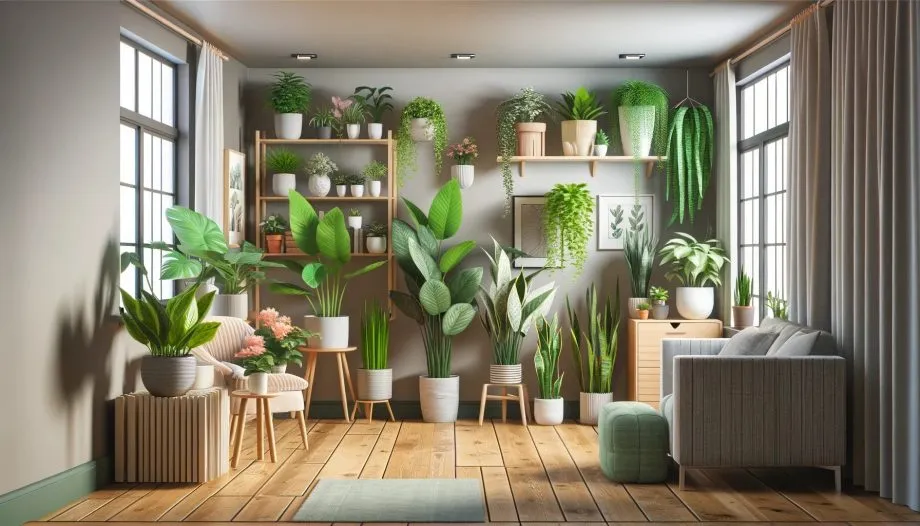
Smart Placement: Make creative use of windowsills, shelves, and hanging planters to optimize your available space while ensuring your plants receive sufficient light.
Diverse Assembly: A curated selection of plants varying in height, texture, and color can transform your space into a visually captivating indoor garden.
Ensuring Long-Term Plant Health
Consistent Care: A regular routine of watering, providing proper light, and the occasional dose of fertilizer will keep your green friends in peak condition.
Vigilant Observation: Stay alert to any changes in your plants’ appearance, which could indicate their needs for water, light adjustments, or pest control measures.
Guidelines for Flourishing Indoor Gardens
Start Modestly: Ease into plant parenthood with one or two varieties and expand your collection as you gain confidence and experience.
Cherish the Growth Journey: Gardening is a rewarding endeavor. Revel in the process of nurturing your plants and watching them flourish under your care.
Armed with the knowledge and tips shared, you’re well-equipped to bring a slice of the great outdoors into your home, no matter the size of your space.