This post may contain affiliate links. If you buy something from one of our links we may earn a commission. Thanks
Turn your old aquarium into a vibrant living world! This New 90 Gallon Paludarium Startup guide shows how to combine houseplants, water, and design to create a peaceful indoor ecosystem that grows more beautiful over time.
Discover how a 90-gallon aquarium found new life as a thriving paludarium — part land, part water, and all inspiration.
Starting a New 90 Gallon Paludarium Startup is like building a living art piece that blends land and water into one stunning display.
Whether you’re repurposing an old aquarium or diving into your first semi-aquatic project, this guide will inspire you to create a thriving ecosystem that’s both relaxing and rewarding to maintain.
🎥 Watch the Video
Introduction: A Fresh Chapter in the Aquarium Journey
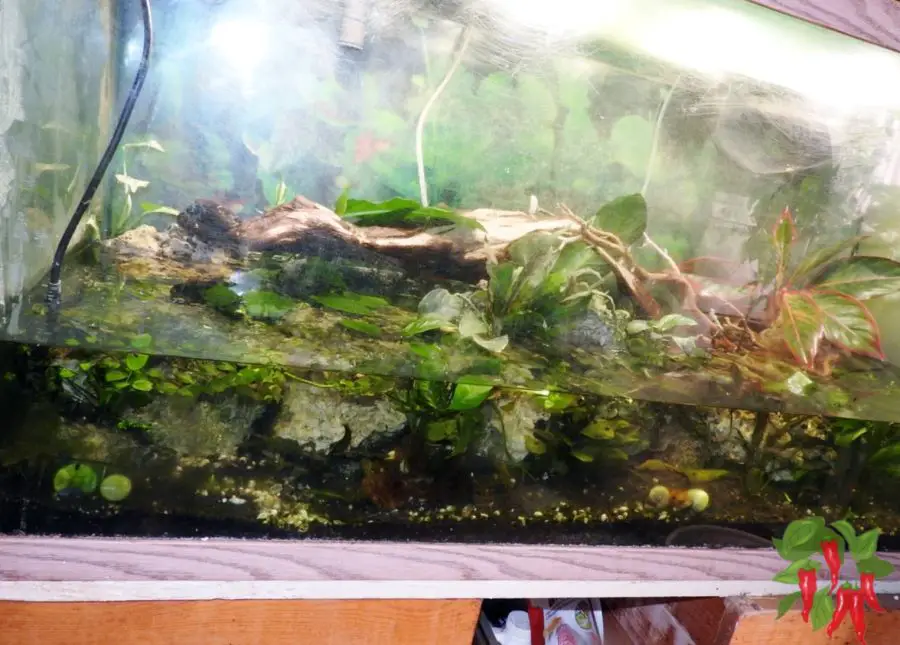
Howdy everyone! This project began as a simple tank cleanup and turned into a whole new adventure — my New 90 Gallon Paludarium Startup.
After years of keeping discus fish, I decided to try something different. My old 90-gallon aquarium had a few aging seams that made me nervous about filling it all the way, especially since I live in a 2nd floor apartment.
Rather than retire the tank, I reimagined it by transforming it into a lush, semi-aquatic world where both water and land plants can thrive together.
If you’ve ever wondered what it takes to start a paludarium or how to repurpose an existing aquarium into something fresh and beautiful, this guide will walk you through the whole process.
What Is a Paludarium?
A paludarium is a blend between an aquarium and a terrarium — part aquatic, part terrestrial. Think of it as a living diorama: fish or snails below, tropical plants above, all working together in one micro-ecosystem.
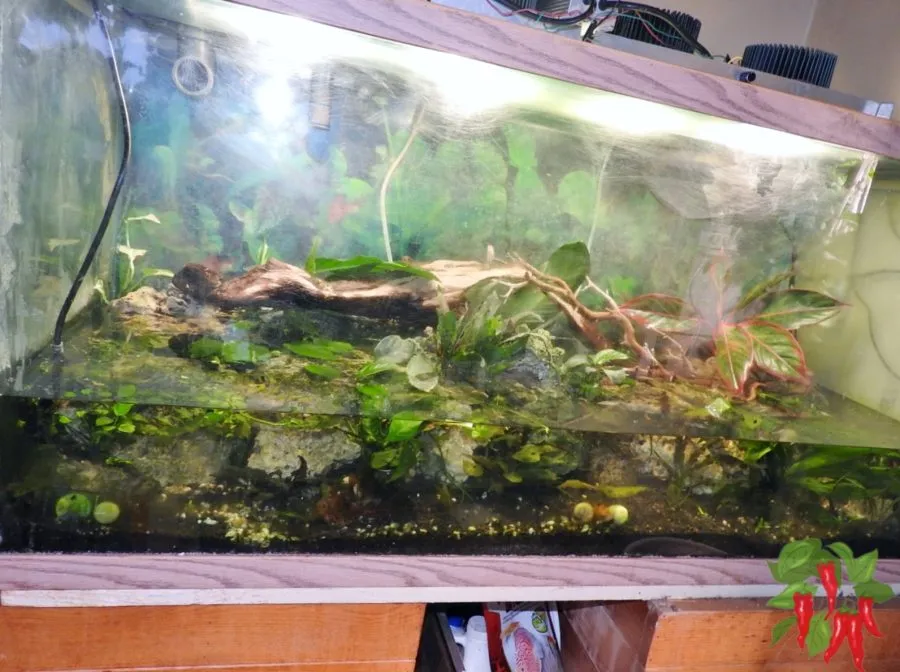
Paludariums can range from small bowls to giant showpieces. Mine happens to be a 90-gallon tank with about six inches of water and plenty of room for plant roots, driftwood, and humidity-loving species.
The Tank Setup
This tank measures four feet long and holds 90 gallons in total, though I’ve intentionally filled it only partway to keep the water level low.
That shallow design lets me combine aquatic plants that can grow above water with houseplants that like damp roots.
Equipment Used
Air stones for gentle aeration.
Small water pump to circulate water and prevent stagnation.
Heater to maintain a comfortable, stable temperature for the plants and any aquatic life.
Even with basic equipment, this setup keeps the environment humid, oxygenated, and ideal for transition plants that grow both emersed and submerged.
Hardscape & Design
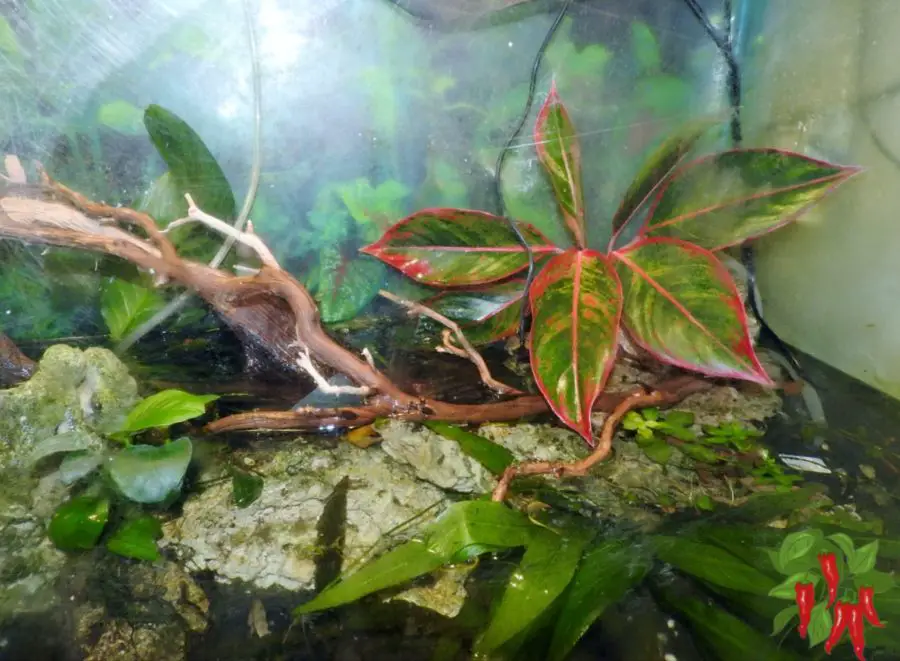
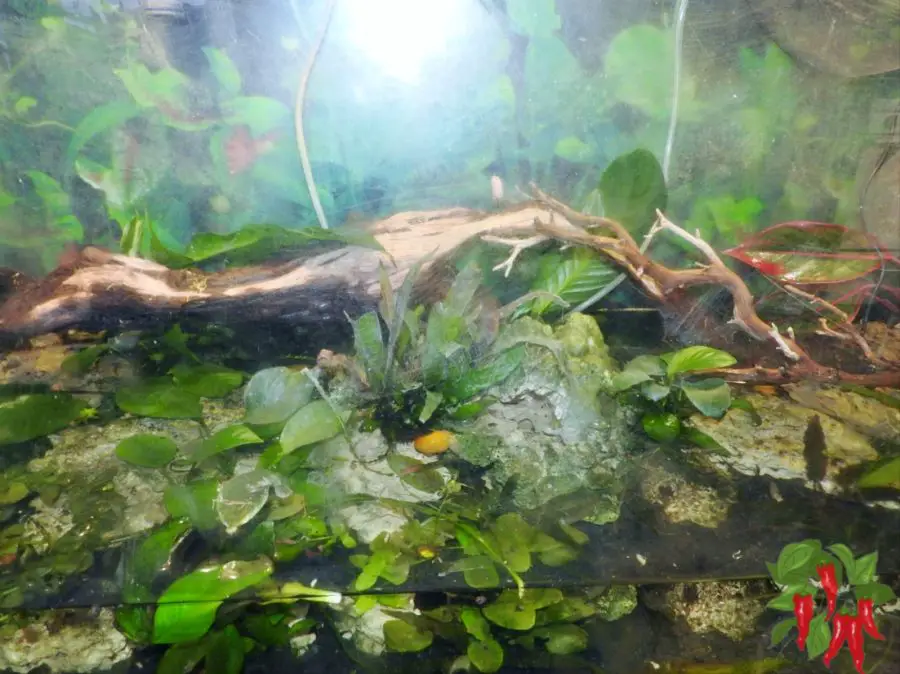
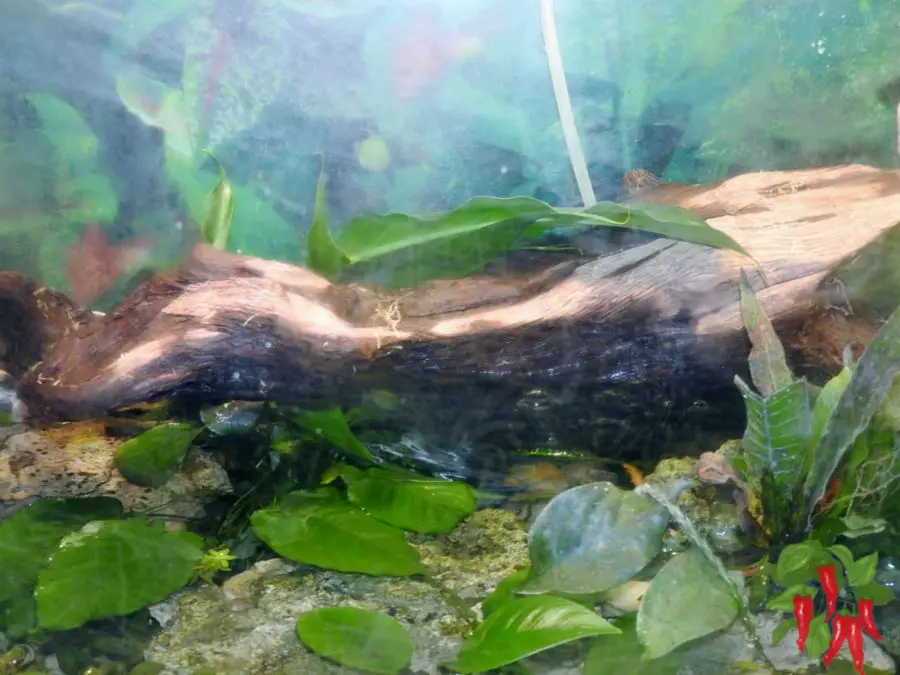
Every paludarium starts with structure. I added several pieces of driftwood, both for aesthetics and to give plant roots something to grip onto.
I also kept my rocks for additional hardscape elements and a place to anchor new plants.
While cleaning the old tank, I learned a small lesson: even “no-scratch” pads can leave fine marks on aged glass. It’s a reminder to go slow and gentle when restoring older aquariums.
The driftwood also helps define the landscape, creating natural ledges where houseplants can sit above the waterline while their roots dip below.
The Plants: Above and Below the Waterline
The plant mix is where the paludarium really comes to life. Most of what I’ve chosen can handle constantly moist roots and even partial submersion.
🌿 Above-Water & Borderline Plants
Pothos (Epipremnum aureum) – practically bulletproof. It roots easily in water and helps absorb excess nutrients.
Peace Lily (Spathiphyllum) – elegant and lush, though I’m still testing how it will adapt to constant moisture.
Chinese Evergreen (Aglaonema) – gorgeous foliage and another experiment in high-humidity tolerance.
💧 Submerged & Semi-Aquatic Plants
Anubias – naturally grows on stream banks; thrives both above and below the surface.
Java Fern – sturdy, easy to grow, and ideal for driftwood.
Amazon Sword – broad, bold leaves that may eventually break the water’s surface.
Cryptocorynes & Miscellaneous Stems – smaller plants to fill in texture and depth.
Nearly all of these species are emersible, meaning they can grow either submerged or above water once they adjust. Over time, many will send shoots upward, gradually transforming the look of the tank.
The Current Inhabitants
Right now, the only confirmed residents are mystery snails, who help keep the glass clean and graze on algae. There might still be a few Laser Corydoras from the previous aquarium setup, but I haven’t spotted them yet.
For now, I’m letting the system stabilize before adding any new fish or amphibians.
Once the plants are well established, I may introduce some low-impact species that can handle a shallow, plant-heavy environment.
Why a Paludarium?
Part of this was necessity because I couldn’t safely maintain a full 90-gallon aquarium anymore. But it’s also about creativity.
A paludarium allows me to blend aquatic and terrestrial gardening, combining the best of both worlds.
It’s an evolving ecosystem that changes over time: plants grow, roots spread, humidity builds, and the whole thing begins to take on a natural, jungle-like feel.
Plus, it’s visually calming. The gentle water movement and lush greenery make it perfect for stress relief, indoor air quality, and year-round enjoyment.
Lessons Learned (So Far)
Every aquarium or garden project teaches you something. Here are a few early takeaways from this build:
You don’t need a massive tank. Paludariums work in any size container — even a goldfish bowl can become a mini one.
Choose the right plants. Stick with species that tolerate wet roots or high humidity. Avoid succulents and cacti; they’ll rot quickly.
Keep circulation steady. Gentle aeration keeps water fresh and prevents mildew or stagnation.
Patience pays off. Many plants need time to adapt from submerged to emersed growth. Don’t rush it.
Maintenance matters. Trim decaying leaves, top off evaporated water, and keep your glass clean (carefully!).
Here is a helpful website (I’m not an affiliate) that sells small paludariums but the main thing it offers is an extensive paludarium plant list. https://bantam.earth/riparium-plants/
Looking Ahead: What’s Next for the 90-Gallon Build
This paludarium is still young. My next steps include:
Adding more emergent plants to create height and layering.
Possibly experimenting with mosses or ferns along the driftwood.
Monitoring how the Peace Lily and Chinese Evergreen handle prolonged moisture.
Introducing a few small aquatic inhabitants once stability improves.
I may also test some LED lighting tweaks to encourage faster emersed growth and richer coloration.
My lighting is a homemade 250-watt COB LED about 5600k and currently dialed way back to give the plants a chance to adapt. Lighting is more intense when not traveling through deep water.
Paludarium Inspiration for Small Spaces
Don’t let the 90-gallon size fool you — anyone can build a paludarium. Even a simple 1-gallon jar can house a tiny aquatic world.
Think creatively:
Use repurposed glass bowls, terrariums, or nano tanks.
Try easy plants like pothos, peace lily cuttings, or mosses.
Keep things humid by partially covering your setup with glass or plastic wrap.
It’s about balance — creating a small slice of nature indoors. Whether you’re in an apartment, dorm, or small house, a paludarium can bring life to any corner.
Reflections: End of One Chapter, Start of Another
Rehoming my discus wasn’t easy. They’d been with me a long time, but I couldn’t risk a leak in an upstairs apartment.
This paludarium marks a new beginning — one that’s safer, more flexible, and full of creative possibilities. It’s a reminder that sometimes change opens doors to new forms of growth, both for the plants and for us.
So, if you’ve ever thought about starting a paludarium, give it a try. Start small, experiment, and enjoy the process. You might find that it becomes your favorite corner of the house.
🌿 Paludarium Final Thoughts
A paludarium bridges two worlds — the calm of water and the vibrance of land. Whether you’re working with a 5-gallon bowl or a 90-gallon tank, it’s a chance to nurture life and creativity side by side.
Take good care of yourselves. Happy gardening — and don’t forget: Stay Green. 🌱
❓ Paludarium FAQs
Q1: What’s the difference between a paludarium and a terrarium?
A terrarium is land-based, while a paludarium includes both water and land areas, supporting semi-aquatic plants and animals.
Q2: Can you keep fish in a paludarium?
Yes, but choose small, shallow-water species that tolerate lower depths, such as killifish, shrimp, or corydoras.
Q3: What plants work best for paludariums?
Great options include pothos, anubias, java fern, peace lily, crypts, and amazon swords — all thrive in humid, wet conditions.
Q4: Do paludariums need filters?
Small setups may not, but gentle circulation from an air stone or mini pump helps maintain water quality and oxygen levels.
Q5: Can I use soil from my garden?
It’s best to use clean aquarium substrate like Eco Complete or Aqua Soil to avoid introducing pests or contaminants and provide nutrients to your plants.