Philodendron Glorious: A Stunner in Your Home Jungle
Hey plant pals! Let’s talk about the Philodendron Glorious – it’s a real showstopper that’ll make your friends go “Wow!” when they see it.
This beauty is a mix between two awesome philodendrons, and it’s got the best of both worlds. Think big, velvety leaves with eye-catching veins that’ll have you staring for hours.
Now, I know what you’re thinking “Sounds great, but is it hard to grow?” Don’t sweat it!
With a little know-how, you can keep your Glorious happy and thriving. I’ve been growing these for years, and I’m here to share all my tricks.
We’ll cover everything from the right light to watering tips, so your plant can grow big and strong.
Philodendron Glorious Care Guide
Philodendron Glorious care isn’t as tough as you might think! This stunning plant can really thrive in your home with just a few simple tips.
Here we’ll share everything you need to know to help your Glorious flourish. Ready to make your plant the talk of the town? Let’s get growing!
1. Philodendron Glorious vs. Gloriosum
Let’s clear up some plant confusion! A lot of folks mix up the Philodendron Glorious and Gloriosum, and I totally get why.
They’re both gorgeous plants with some similarities, but they’ve got their own unique traits too.
I’ve grown both, and let me tell you, they each have their own personality. Let’s break down the differences so you can be a pro at telling these beauties apart.
Visual Differences
Okay, let’s start with the looks. The Philodendron Glorious has bigger, longer leaves that can grow up to 2 feet long! They’re dark green with light green or whitish veins that really pop. The leaves feel velvety and have a bit of a glossy shine.
The Gloriosum, on the other hand, has heart-shaped leaves that are usually smaller. They’re a lighter green with white veins. The leaves are soft and velvety too, but they don’t have that same shine as the Glorious.
Growth Habit
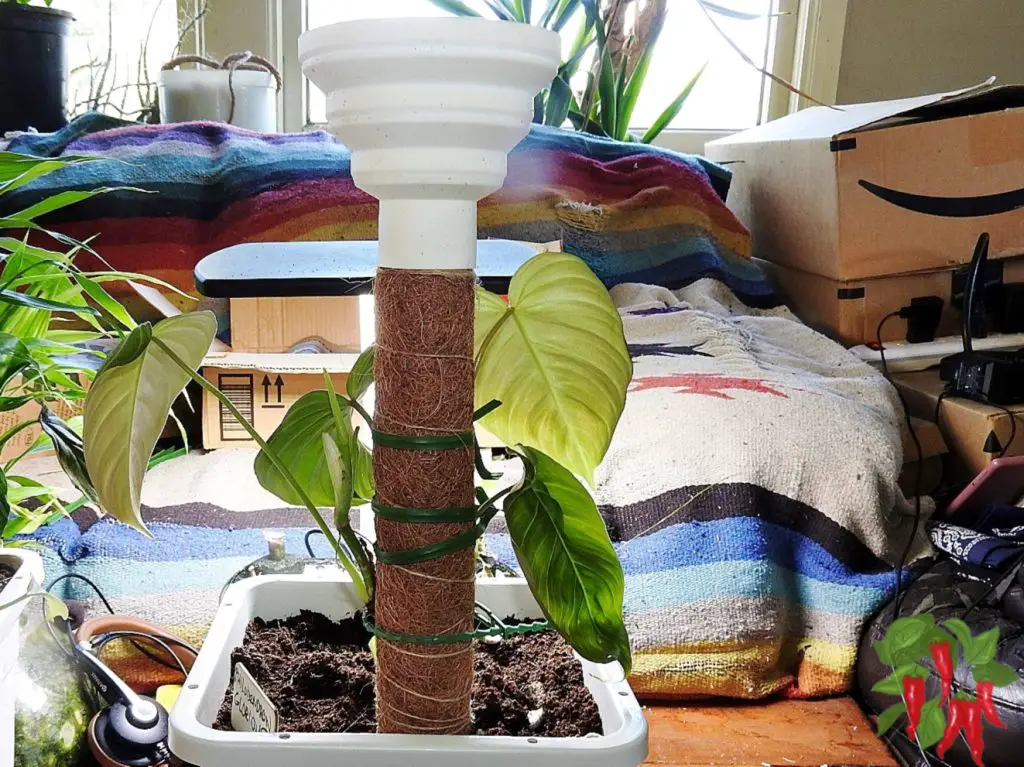
Here’s a big difference – the Glorious loves to climb! It’s like a little plant gymnast, always reaching for the sky. You’ll need to give it a moss pole or trellis to climb on.
The Gloriosum is more of a crawler. It likes to spread out along the ground or over the edges of its pot. It’s perfect if you want a plant that’ll trail down a shelf or table.
Care Requirements
Both plants like similar care, but there are a few differences:
Light: The Glorious can handle a bit more light than the Gloriosum. It’ll do great in bright, indirect light, while the Gloriosum prefers medium indirect light.
Water: The Glorious likes to dry out a bit between waterings. The Gloriosum likes to stay a little more moist, but not soggy.
Support: Remember, your Glorious needs something to climb on, but the Gloriosum doesn’t.
So there you have it! Now you can spot the difference between these two plant cousins. Whether you go for the climber or the crawler, you’re in for a treat!
2. Philodendron Glorious Hybrid
Let’s talk about the cool family tree of the Philodendron Glorious! This plant is like the superhero of the philodendron world, getting the best traits from both its parents.
I’ve always been fascinated by plant breeding, and the Glorious is a perfect example of why. It’s got a mix of features that make it stand out from the crowd.
Parent Plants
The Philodendron Glorious comes from two awesome parents: Philodendron Melanochrysum and Philodendron Gloriosum. Let me tell you a bit about each:
Philodendron Melanochrysum:
Known for its dark, velvety leaves
Has a climbing growth habit
Leaves can grow huge, up to 2 feet long
Shows off beautiful coppery new growth
Philodendron Gloriosum:
Has heart-shaped leaves with striking white veins
Grows as a crawler, spreading out horizontally
Leaves are soft and velvety
Known for its slower, more compact growth
Hybrid Traits
Now, here’s where it gets exciting. The Glorious takes the best from both parents:
Leaf Shape:
It gets its elongated leaf shape from the Melanochrysum but with a hint of the Gloriosum’s heart shape at the base.
Texture:
The leaves are velvety soft, a trait from both parents.
Veining:
It shows off dramatic light veins against a dark background, combining the Gloriosum’s white veins with the Melanochrysum’s dark leaves.
Growth Habit:
It takes after the Melanochrysum, preferring to climb rather than crawl.
Growth and Vigor
Here’s a fun fact: plant hybrids often grow faster and bigger than their parents. It’s called hybrid vigor, and the Glorious definitely shows it off. Here’s what I’ve noticed:
It grows faster than both its parents, especially with the right care.
The leaves can get huge, sometimes even bigger than the Melanochrysum’s.
It’s more adaptable to different conditions, making it easier to grow for beginners.
New leaves seem to pop up more frequently, giving you more of those “new leaf day” celebrations!
Growing a Philodendron Glorious is like having the best of both worlds. You get the dramatic dark leaves of the Melanochrysum with the stunning veining of the Gloriosum, all in a faster-growing, climbing plant.
It’s no wonder these plants have become so popular!
3. Light Requirements
Let’s shine some light on how to keep your Philodendron Glorious happy! Getting the light right is super important for these beauties.
I’ve experimented with different spots in my house, and I’ve got some tips to share that’ll help your Glorious thrive.
Preferred Lighting Conditions
Your Philodendron Glorious loves bright, indirect light. Here’s what that means:
Think of a spot that’s bright enough to read a book comfortably, but not in direct sunlight.
A few feet back from an east-facing window is usually perfect. If you’ve got a south or west window, use a sheer curtain to filter the light.
I’ve had great success putting mine near a bright window, but out of the sun’s direct rays. It’s like giving your plant sunglasses – all the brightness without the burn!
Effects of Too Much Light
Too much direct sun can be a problem. Here’s what to watch out for:
Leaves might turn yellow or develop brown, crispy patches.
The plant could look droopy or wilted, even if the soil is moist.
You might notice the edges of the leaves curling up.
If you see these signs, move your plant to a shadier spot. Don’t worry, they usually bounce back pretty quick!
Effects of Too Little Light
On the flip side, not enough light can cause issues too:
The plant might stretch out, with long spaces between leaves. It’s trying to reach for more light!
New leaves might be smaller than usual.
The beautiful dark color might fade, and the veins might not be as striking.
Growth will slow down, and you’ll see fewer new leaves.
If your Glorious is looking a bit sad in a dark corner, try moving it closer to a window or adding some grow lights.
Finding the Sweet Spot
Every home is different, so you might need to try a few spots before you find the perfect place.
I like to do the “hand test” – if your hand casts a soft shadow, that’s usually a good spot for your Glorious.
Remember, plants can get sunburned just like we can! If you’re moving your Glorious to a brighter spot, do it gradually over a week or two. This gives the plant time to adjust and prevents shock.
With the right light, your Philodendron Glorious will reward you with stunning, vibrant leaves that’ll make your plant friends green with envy!
4. Soil and Potting
Let’s dig into the dirt on soil and potting for your Philodendron Glorious! Getting this right is like giving your plant the perfect home.
I’ve tried a bunch of different mixes over the years, and I’m excited to share what’s worked best for me. A happy Glorious starts with happy roots!
Ideal Soil Mix
Your Philodendron Glorious likes a soil mix that’s light and airy. Here’s my go-to recipe:
1 part orchid bark
1 part peat moss or coco coir (I prefer coco coir)
1 part perlite (I prefer chunky perlite)
This mix gives your plant everything it needs:
The orchid bark adds chunky bits for air pockets.
Peat moss or coco coir holds moisture without getting soggy.
Perlite helps with drainage and keeps the soil from compacting.
I sometimes toss in a handful of worm castings for extra nutrients. Your plant will love you for it!
Well-Draining Soil and Pots
Philodendron Glorious hates wet feet. That’s why well-draining soil and a pot with drainage holes are super important. Here’s why:
Well-draining soil lets excess water flow through, preventing root rot.
Drainage holes allow that extra water to escape the pot.
I learned this the hard way when I first started growing philodendrons. Trust me, you don’t want to deal with mushy, rotting roots!
Repotting Guidelines
Knowing when and how to repot can make a big difference. Here’s what I’ve found works best:
Repot every 1-2 years, or when you see roots coming out of the drainage holes.
Choose a pot that’s 1-2 inches larger in diameter than the current one.
Spring or early summer is the best time to repot, when the plant is in growth mode.
Gently loosen the roots if they’re tightly bound.
After repotting, water thoroughly and place in a slightly shadier spot for a week to help it adjust.
Remember, don’t go too big with the new pot. A pot that’s too large can hold too much moisture and lead to root problems.
By getting the soil and potting right, you’re setting your Philodendron Glorious up for success.
It’s like giving your plant a cozy new apartment – with good drainage and plenty of room to grow!
5. Watering, Temperature and Humidity
Alright, let’s dive into watering, temperature, and humidity for your Philodendron Glorious!
These three things are like the golden trio for happy, healthy plants. I’ve learned a lot about keeping these beauties thriving, and I’m excited to share my tips with you.
Watering Your Glorious
Watering can be tricky, but don’t worry! Here’s what I’ve found works best:
Water when the top 1-2 inches of soil feel dry to the touch.
Give it a good soak, letting water run out of the drainage holes.
In spring and summer, you might water once a week. In fall and winter, it could be every 10-14 days.
Signs of overwatering to watch out for:
Yellow leaves, especially lower ones
Soft, mushy stems
Mold on the soil surface
A funky, rotting smell
If you see these signs, let your plant dry out more between waterings. It’s easier to fix an underwatered plant than an overwatered one!
Temperature
Philodendron Glorious likes it warm, just like its tropical home. Here’s what to aim for:
Ideal temperature range: 65-80°F (18-27°C)
Can tolerate down to 55°F (13°C), but growth will slow
Avoid cold drafts from windows or AC units
I keep mine away from heating vents in winter to prevent dry, crispy leaves.
Humidity
These plants love humidity! Here’s what you need to know:
Aim for 60-80% humidity if you can Minimum 50% for a happy plant
How to boost humidity:
Group plants together – they create a mini humid zone
Use a pebble tray filled with water
Mist the leaves regularly (but not too much, or you risk fungal issues)
Run a humidifier nearby
I use a combination of these methods, depending on the season. In winter, when the air’s dry, I run a humidifier.
In summer, grouping plants and using a pebble tray usually does the trick.
Remember, every home is different. You might need to experiment a bit to find what works best in your space.
Keep an eye on your plant – it’ll let you know if it’s happy or needs a change.
With the right watering, temperature, and humidity, your Philodendron Glorious will be living its best life.
Before you know it, you’ll be showing off those big, beautiful leaves to all your plant friends!
6. Fertilizing
Let’s talk about feeding your Philodendron Glorious! Think of fertilizer as a multivitamin for your plant.
It’s not a magic growth potion, but it sure helps your Glorious stay healthy and put out those stunning leaves we all love.
I’ve tried a bunch of different fertilizers over the years, and I’m excited to share what’s worked best for me.
Recommended Fertilizers
For my Philodendron Glorious, I like to use a balanced, water-soluble fertilizer. Here’s what to look for:
An NPK ratio of 10-10-10 or 20-20-20 works great.
Liquid fertilizers are easy to use and quick for the plant to absorb.
If you prefer organic, try a fish emulsion or seaweed-based fertilizer.
But don’t worry, any balanced houseplant fertilizer will do the trick!
Fertilizing Frequency
Here’s my feeding schedule:
During spring and summer (growing season): Feed once a month
Fall and winter: Cut back to every 6-8 weeks, or skip entirely if your plant isn’t actively growing
Remember, it’s better to under-fertilize than over-fertilize. These plants aren’t heavy feeders, so a little goes a long way.
Tips on Avoiding Overfeeding
Too much of a good thing can be bad for your Glorious. Here’s how to avoid overdoing it:
Always dilute the fertilizer to half the recommended strength on the package.
Never fertilize a dry plant – water it first, then feed.
If you forget to fertilize, don’t try to make up for it by giving extra. Just resume your regular schedule.
Watch for signs of over-fertilizing:
Brown leaf tips or edges
Yellowing leaves
Slow growth or leaf drop
If you see these signs, flush the soil with plain water to wash out excess fertilizer.
A little trick I use: I mark fertilizing days on my calendar. It helps me keep track and avoid accidentally over-feeding.
Remember, fertilizer isn’t a substitute for good light, proper watering, and the right soil.
It’s just one piece of the puzzle in keeping your Philodendron Glorious happy and healthy.
With these tips, you’ll be feeding your Glorious just right. Before you know it, you’ll have a lush, vibrant plant that’s the envy of all your plant friends!
7. Temperature and Environment
Let’s talk about creating the perfect environment for your Philodendron Glorious! These plants might look tough, but they’re actually a bit picky about their surroundings.
Don’t worry though, I’ve got some easy tips to keep your Glorious comfy all year round.
Optimal Temperature Range
Philodendron Glorious likes it warm, just like its tropical home. Here’s what to aim for:
Sweet spot: 65-80°F (18-27°C)
They can handle down to 55°F (13°C), but they won’t be happy about it
Above 85°F (29°C), they might start to stress
I keep mine in my living room where the temperature is pretty stable. If you have a spot like that, your Glorious will thank you!
Adjustments for Seasonal Changes
As the seasons change, you might need to make some tweaks:
Summer:
Watch out for hot, direct sun – it can scorch the leaves
If it’s really hot, mist the leaves more often to cool them down
Keep an eye out for pests – they love warm weather too!
Winter:
Move your plant away from cold windows
Watch out for drafts from doors or heating vents
You might need to water less often
Fall and Spring:
These are usually pretty easy seasons for your Glorious. Just keep an eye on the temperature as it changes
Here’s a trick I use: I got a cheap digital thermometer to keep near my plants. It helps me spot any temperature changes quickly.
Remember, sudden temperature changes can shock your plant. If you need to move it, do it gradually over a few days.
By keeping your Philodendron Glorious in the right temperature range and making small adjustments as the seasons change, you’ll have a happy, healthy plant all year round.
It’s like giving your plant a cozy sweater in winter and a cool drink in summer – just what it needs to thrive!
8. Pruning and Training
Let’s talk about keeping your Philodendron Glorious looking its best and helping it reach new heights! Pruning and training are like giving your plant a haircut and gym session all in one.
I’ve been working with these beauties for years, and I’m excited to share some tricks that’ll have your Glorious looking amazing.
When and How to Prune
Pruning isn’t just about looks – it helps your plant stay healthy too. Here’s what you need to know:
Best time to prune: Spring or early summer, when the plant is actively growing
What to prune:
Yellow or brown leaves
Leggy or bare stems
Any damaged or diseased parts
Here’s how I do it:
Use clean, sharp scissors or pruning shears
Cut just above a leaf node (where leaves grow from the stem)
Don’t remove more than 25% of the plant at once
Pro tip: Save those cuttings! You can propagate them to make new plants.
Training Techniques for Climbing
Philodendron Glorious loves to climb, and with a little help, it’ll really show off those big, beautiful leaves. Here’s how to train your plant:
Choose a support:
Moss pole: My favorite is coco coir it is better than moss and it mimics tree bark
Trellis: Great for shaping your plant
Bamboo stakes: Simple and effective
Gently tie the stems to the support:
Use soft plant ties or velcro strips
Don’t tie too tight – leave room for growth
Guide new growth:
As new stems appear, gently direct them towards the support
You might need to adjust ties as the plant grows
Be patient:
It takes time for the plant to attach itself
Keep guiding new growth until it starts climbing on its own
Here’s a cool trick: Mist your moss pole regularly. It’ll encourage the plant to grow aerial roots and attach itself more firmly.
Remember, every plant is unique. Some might need more guidance than others. The key is to be gentle and consistent.
With regular pruning and some climbing support, your Philodendron Glorious will turn into a real showstopper.
Before you know it, you’ll have a lush, climbing beauty that’s the envy of all your plant friends!
9. Common Problems and Solutions
Alright, let’s tackle some of the hiccups you might run into with your Philodendron Glorious.
Don’t worry – every plant parent faces these issues at some point. I’ve dealt with all of these, and I’m here to share what I’ve learned to get your plant back on track.
Yellow Leaves
Seeing yellow leaves can be a bit scary, but it’s often easy to fix. Here’s what to look out for:
Causes:
Overwatering: Most common culprit
Underwatering: Yes, it can cause yellowing too!
Lack of nutrients: Especially if older leaves are yellowing
Too much direct sun: Can bleach the leaves
Remedies:
Check your watering: Let the top inch of soil dry out between waterings
Adjust light: Move to a brighter spot if it’s too dark, or away from direct sun if it’s getting scorched
Fertilize: Use a balanced fertilizer monthly during growing season
Remove yellow leaves: They won’t turn green again, so it’s best to snip them off
Root Rot
This is the biggie we all want to avoid. Here’s how to prevent and treat it:
Prevention:
Use well-draining soil
Make sure your pot has drainage holes
Don’t let the plant sit in water
Treatment:
Remove the plant from its pot
Wash off all the soil from the roots
Cut away any mushy, brown roots with clean scissors
Repot in fresh, dry soil
Hold off on watering for a few days to let any cuts heal
Pests and Diseases
These can sneak up on you, but early detection is key!
Common pests:
Spider mites: Tiny specks on leaves, fine webbing
Mealybugs: White, cottony clusters on stems and leaves
Scale: Small, brown bumps on stems and leaves
Control methods:
Isolate the infected plant
Wipe leaves with a damp cloth to remove pests
Use neem oil or insecticidal soap
For bad infestations, consider a systemic pesticide
Diseases:
Leaf spot: Brown or black spots on leaves Bacterial blight: Water-soaked lesions on leaves
Treatment:
Remove affected leaves
Improve air circulation
Avoid getting water on leaves when watering
Remember, prevention is always easier than cure. Keep an eye on your plant, check it regularly, and you’ll catch most issues before they become big problems.
Don’t get discouraged if you run into these issues – it happens to all of us! With a little care and attention, your Philodendron Glorious will bounce back and be thriving in no time.
10. Propagation
Let’s talk about making baby Philodendron Glorious plants! Propagation is like plant magic – you get to create new plants from your existing one.
It’s super rewarding, and honestly, it’s pretty easy too. I’ve propagated tons of these beauties, and I’m excited to share my step-by-step guide with you.
Step-by-Step Guide to Propagate Using Stem Cuttings
Choose Your Cutting
Pick a healthy stem with at least 2-3 leaves
Look for a stem with an aerial root if possible (those brown, nubby things)
Make sure your stem has at least one node (where leaves attach to the stem)
Make the Cut
Use clean, sharp scissors or pruning shears
Cut just below a node, making a clean, angled cut
Your cutting should be about 4-6 inches long
Prepare Your Cutting
Remove the bottom leaf or two, leaving the node exposed
If there’s an aerial root, leave it attached
Choose Your Propagation Method
Option A: Water Propagation
Place the cutting in a clear glass of water
Make sure the node is submerged, but keep leaves above water
Change the water every 3-4 days
Option B: Soil Propagation
Dip the cut end in rooting hormone (optional, but helps)
Plant the cutting in a small pot with moist, well-draining soil
Make sure the node is buried, but leaves are above soil
Create a Mini Greenhouse (optional, but helpful)
Place a clear plastic bag over the cutting
This increases humidity and helps roots develop
Remove the bag for an hour daily to prevent mold
Care for Your Cutting
Place in bright, indirect light
Keep soil moist (if soil propagating) or change water regularly (if water propagating)
Mist leaves occasionally to increase humidity
Watch for Root Growth
In water: You’ll see roots in 2-3 weeks In soil: Gently tug after 3-4 weeks – if there’s resistance, you’ve got roots!
Pot Up or Plant
Once roots are 2-3 inches long, pot up your water-propagated cutting For soil-propagated cuttings, you can move to a larger pot once you see new growth
Remember, patience is key here. It might take a few weeks to see roots, and a few months before you see new leaves. But trust me, it’s worth the wait!
Pro tip: I like to propagate a few cuttings at once. That way, if one doesn’t make it, you’ve still got backups.
Propagating your Philodendron Glorious is a great way to expand your plant family or share the love with friends.
Before you know it, you’ll have a whole crew of these stunning plants!
11. Toxicity
Let’s chat about keeping everyone safe around your Philodendron Glorious. These plants are stunning, but they’ve got a bit of a wild side when it comes to pets and kids.
Don’t worry though – with a few simple precautions, you can enjoy your plant and keep your loved ones safe too.
Toxicity Level
First things first: Philodendron Glorious, like all philodendrons, is toxic if eaten. Here’s the scoop:
It contains calcium oxalate crystals
These can cause irritation and swelling if chewed or swallowed
It’s toxic to both humans and pets
Now, don’t panic! It’s not deadly, but it can cause some uncomfortable symptoms. Let’s talk about how to keep everyone safe.
Safety Tips for Households with Pets
Our furry friends can be curious, so here’s how to protect them:
Keep it out of reach:
Put your plant on a high shelf or hang it
Use a plant stand that’s sturdy and can’t be knocked over
Train your pets:
Use a pet deterrent spray on the leaves
Teach a firm “no” when they show interest in the plant
Provide alternatives:
Grow pet-safe plants like spider plants or Boston ferns Keep cat grass around for curious kitties
Safety Tips for Households with Children
Little ones love to explore, so let’s make sure they stay safe:
Education is key:
Teach kids not to put plants or leaves in their mouths
Explain that some plants can make them feel sick
Create a barrier:
Use child-safe plant stands
Consider a terrarium for smaller plants
Supervise playtime:
Keep an eye on kids when they’re around plants
Make sure they wash their hands after touching plants
What to Do If Ingestion Occurs
If the worst happens and someone eats part of the plant:
Don’t panic! Remember, it’s irritating but not deadly.
Rinse out the mouth with cool water.
Offer something cold to eat or drink to soothe irritation.
Call your doctor or vet if symptoms persist or worsen.
I always keep the number for Poison Control handy, just in case: 1-800-222-1222 Remember, having a Philodendron Glorious in your home doesn’t mean you’re putting anyone at risk.
It’s all about being aware and taking simple precautions. With these tips, you can enjoy your beautiful plant while keeping your whole family – furry members included – safe and sound!
Philodendron Glorious Care FAQs
Hey plant pals! I know you’ve got questions about your Philodendron Glorious, and I’m here to help.
Let’s dive into some of the most common questions I get about this stunning plant. Whether you’re a newbie or a seasoned plant parent, I’ve got you covered!
Q: Is Philodendron Glorious easy to care for?
A: Yes, Philodendron Glorious is relatively easy to care for. It’s not quite as low-maintenance as a pothos, but it’s definitely not a diva either.
With the right light, water, and a bit of humidity, it’ll thrive. Just keep an eye on its moisture levels and give it something to climb, and you’ll do great!
Q: Is Philodendron Glorious a climber or crawler?
A: Philodendron Glorious is definitely a climber! It loves to reach for the sky.
In the wild, it would climb up trees, so in your home, it’ll appreciate a moss pole or trellis to climb on.
Without support, it might trail a bit, but it’s happiest when it can grow upwards.
Q: Is Philodendron Glorious rare?
A: While not super common, Philodendron Glorious isn’t considered extremely rare anymore.
It’s gained popularity in recent years, so it’s become more available. That said, it’s still a bit of a special find compared to more common philodendrons.
You might need to look beyond your local garden center to find one.
Q: What is the difference between Philodendron Gloriosum and Glorious?
A: Great question! These two often get mixed up. Philodendron Gloriosum is a species, while Glorious is a hybrid.
Gloriosum has heart-shaped leaves and is a crawler. Glorious has longer, more elongated leaves and loves to climb. Glorious also tends to grow faster and larger than Gloriosum.
Q: How do you train a philodendron to climb up?
A: Training your Philodendron Glorious to climb is fun and easy! Here’s how:
Provide a support like a moss pole or trellis
Gently tie the main stem to the support with soft plant ties
As new growth appears, guide it towards the support
Keep the moss pole moist to encourage aerial root growth
Be patient – it’ll start climbing on its own over time!
Q: Is Philodendron Glorious poisonous?
A: Yes, Philodendron Glorious is poisonous if ingested. Like all philodendrons, it contains calcium oxalate crystals which can cause irritation and swelling in the mouth and throat.
It’s best to keep it out of reach of pets and children. If you suspect ingestion, rinse the mouth with water and contact a doctor or vet.
Q: What is Philodendron Glorious called?
A: Philodendron Glorious is its common name, and it’s also sometimes called Philodendron ‘Glorious’.
In botanical circles, you might see it referred to as Philodendron melanochrysum x Philodendron gloriosum, which describes its parentage.
But most plant lovers just call it the Glorious – and for good reason, it’s truly glorious to look at!
Remember, every plant is unique, and you’ll get to know your Philodendron Glorious’s specific needs as you care for it.
Don’t be afraid to experiment a little to find what works best in your home. Happy growing!
Philodendron Glorious Care Conclusion
Alright, let’s wrap this up with a bang! We’ve covered a lot of ground on caring for your Philodendron Glorious, and I want to make sure you leave feeling confident and excited about your plant journey. Here’s a summary of what we’ve learned, along with some final thoughts to keep in mind.
Your Philodendron Glorious Journey Begins
Caring for a Philodendron Glorious is more than just watering a plant – it’s about creating a little slice of tropical paradise in your home. With the tips and tricks we’ve covered, you’re well on your way to becoming a Glorious growing pro!
Mastering the Basics
Remember, getting the basics right is key. Bright indirect light, well-draining soil, and consistent watering will take you far. Don’t forget to keep an eye on humidity levels and give your plant something to climb on.
Troubleshooting Like a Pro
Every plant parent faces challenges, but now you know how to spot and solve common issues. From yellow leaves to pests, you’ve got the knowledge to keep your Glorious healthy and thriving.
The Joy of Propagation
Don’t be afraid to try propagating your Glorious. It’s a rewarding experience that lets you share the plant love with friends or expand your own collection. Plus, who doesn’t love free plants?
Safety First
While we love our Glorious, remember it’s toxic if ingested. With the safety tips we’ve covered, you can enjoy your plant while keeping pets and kids safe.
Key Takeaways
Here are the most important points to remember:
Provide bright, indirect light for optimal growth
Use well-draining soil and water when the top inch of soil is dry
Maintain high humidity (60-80%) for lush, healthy leaves
Support climbing with a moss pole or trellis
Fertilize monthly during the growing season with a balanced fertilizer
Watch for and address common issues like yellowing leaves or pests promptly
Keep out of reach of pets and children due to toxicity if ingested
Remember, every plant is unique, and part of the fun is getting to know your Philodendron Glorious.
Don’t be afraid to adjust your care routine based on how your plant responds.
With a little patience and love, you’ll have a stunning, thriving Glorious that’s the envy of all your plant friends.