This post may contain affiliate links. If you buy something from one of our links we may earn a commission. Thanks
Howdy folks! Did you know that the health benefits of gardening go beyond just fresh air and pretty flowers?
This age-old hobby is a powerhouse for boosting your health, from sharpening your mind to strengthening your bones.
Join us as we dig into the surprising ways gardening can sprout improvements in your overall wellness!
Health Benefits of Gardening Key Takeaways:
Health Benefits of Gardening include reducing stress, improving mood, and increasing physical activity, which can help manage weight and strengthen bones.
Gardening also exposes you to vitamin D from sunlight, which is beneficial for bone health and immune function.
Regular gardening can improve mental health and help prevent cognitive decline.
Unearthing the Health Benefits of Gardening: A Deep Dive
Welcome to the lush world of gardening, where every dig and plant brings not just beauty but a bounty of health perks.
Our focus here isn’t just on the common advantages but on exploring those lesser-known health benefits of gardening that can transform both body and mind.
Exploring the Hidden Health Benefits of Gardening
Dive deeper into the garden’s green embrace as we uncover the unique health benefits of gardening.
Beyond the usual physical exercise and stress relief, gardening offers nuanced advantages that are often overlooked but crucial for a holistic health approach.
Here’s what tending to your garden can do:
Enhanced Respiratory Health: Regular exposure to fresh air can improve lung function.
Neurological Nourishment: The complex tasks involved in gardening can boost brain health by keeping your mind engaged.
Microbial Exposure: Contact with soil bacteria can unexpectedly strengthen your immune system.
Section 1: Enhancing Physical Health
Gardening is more than a leisurely activity; it’s a full-body workout that benefits every gardener.
This section uncovers how regular gardening tasks not only boost physical fitness but also contribute to substantial health improvements such as lowered blood pressure and enhanced hand dexterity, making it a vital part of maintaining a healthy lifestyle.
Strengthening the Body: Physical Health Benefits of Gardening
Gardening isn’t just about nurturing plants; it’s also about cultivating a healthier physique.
This section delves into how the physical demands of gardening can lead to significant health improvements, from lowering blood pressure to enhancing manual dexterity.
Reducing Blood Pressure Through Gardening
Dig into the heart-healthy aspects of gardening as we explore how this serene activity can help manage and even lower high blood pressure.
The natural exercise involved not only fortifies your heart but also calms your mind, creating a perfect blend for cardiovascular health.
Cardiovascular Exercise: Regular gardening involves activities like digging, hoeing, and raking, which increase heart rate and improve circulation.
Stress Reduction: The peaceful nature of the garden setting reduces stress, a major contributor to high blood pressure.
Improving Hand Dexterity with Gardening
Gardening is a hands-on hobby that can significantly enhance hand strength and coordination.
This section focuses on how various gardening tasks can serve as therapeutic exercises for those with arthritis or similar conditions, promoting finer motor skills and reducing stiffness.
Therapeutic Movements: Tasks such as planting and pruning require fine motor skills, which keep hand muscles engaged and nimble.
Arthritis Benefits: Regular gentle movement can help reduce arthritis symptoms by keeping joints flexible and reducing inflammation.
Each of these aspects not only provides a pathway to better physical health but also enhances daily living through practical, enjoyable activities.
Section 2: Mental and Cognitive Health
Exploring the garden’s impact on our minds, this section delves into how gardening not only cultivates our plants but also our mental and cognitive well-being.
We’ll examine its therapeutic effects on mood disorders and its potential to protect against cognitive decline.
Cognitive Function and Dementia: Gardening’s Protective Role
Gardening isn’t just a physical activity; it’s also a mental exercise that can sharpen your mind and potentially delay the onset of cognitive disorders like dementia.
This part explores the connection between regular gardening and sustained cognitive health.
Mental Engagement: Activities like planning garden layouts and learning about plant species keep the brain active and engaged.
Reduction in Dementia Risk: Studies suggest that the combination of physical activity, social interaction, and sensory garden experiences can help reduce the risk of dementia.
Therapeutic Effects for Depression and Anxiety
Gardening offers a natural form of ecotherapy, known for its soothing effects on the mind.
Here, we explore how digging in the dirt can be a powerful ally in the battle against depression and anxiety.
Stress Reduction: The rhythmic nature of gardening tasks such as digging and pruning can significantly lower stress levels.
Enhanced Mood: Exposure to green spaces and the act of nurturing plants can improve mood and reduce symptoms of depression and anxiety.
Section 3: Nutritional Benefits
Delve into the delicious world of gardening where each seed planted not only blooms into a beautiful plant but also into a powerhouse of nutrition.
This section highlights how growing your own produce can revolutionize your diet, enhancing both the freshness and the nutritional value of your meals.
Promotes Healthy Eating: The Dietary Advantages of Home Gardening
Embrace the farm-to-table movement right in your backyard! Growing your own food inherently encourages a healthier diet by providing fresh, unprocessed produce right at your doorstep.
Explore how personal gardening can transform your eating habits for the better.
Freshness and Flavor: Home-grown produce is harvested at peak ripeness, offering superior flavor and nutrient content compared to often prematurely picked, store-bought options.
Increased Vegetable Intake: Gardeners are more likely to eat more fruits and vegetables daily, promoting a balanced and healthful diet.
Nutritional Content of Home-Grown Produce: A Comparison
How does the vitamin and mineral content of your garden’s yield stack up against the grocery store offerings?
This part compares the nutritional benefits of home-grown versus store-bought produce, shedding light on the hidden health benefits lurking in your garden soil.
Higher Nutrient Levels: Studies show that home-grown fruits and vegetables can have higher levels of certain nutrients like vitamins and antioxidants, thanks to the control over soil and growing conditions.
Reduced Chemical Exposure: Growing your own food often means less exposure to pesticides and fertilizers, making it healthier and safer to consume.
Here’s a chart comparing the nutritional content of home-grown produce versus store-bought produce:
Nutrient
Home-Grown Produce
Store-Bought Produce
Vitamin C
Higher
Variable
Antioxidants
Higher
Lower
Pesticide Residue
Lower
Higher
Freshness
Maximum
Variable due to transport and storage delays
This table illustrates that home-grown produce typically offers higher levels of vitamins and antioxidants, lower pesticide residues, and greater freshness compared to store-bought options, which may vary in nutrient levels due to factors like transportation and storage.
By understanding the nutritional dynamics of home gardening, you can better appreciate the considerable health benefits that come with cultivating your own food.
Section 4: Social and Community Health
Gardening extends its roots deep into the community, offering a fertile ground for social interactions and collective well-being.
This section explores how shared urban gardening efforts not only cultivate plants but also fortify community bonds and enhance mental health through meaningful connections.
Building Community Through Gardening: Sowing Seeds of Togetherness
Discover how community gardens and gardening clubs do more than grow vegetables; they grow relationships.
These green spaces serve as communal hubs that encourage collaboration, improve mental health, and enhance the social fabric of neighborhoods.
Enhanced Social Interaction: Community gardens are social spaces where people meet, share gardening tips, and work together, which helps build strong interpersonal relationships.
Mental Health Benefits: Participating in community gardening has been shown to reduce stress and promote feelings of well-being among gardeners.
Gardening and Social Support: Cultivating Connections
Gardening offers unique opportunities for social support, providing a natural setting for interaction that can be especially beneficial for seniors who might otherwise feel isolated.
This part of the section will delve into how gardening activities can bridge the gap between isolation and community involvement.
Support for Seniors: Gardening can be a gentle, yet engaging activity that allows seniors to interact with others, fostering a sense of community and belonging.
Reduction of Loneliness: Regular involvement in gardening groups or events can provide consistent social contact, helping to reduce feelings of loneliness and isolation among participants of all ages.
By nurturing plants and relationships alike, gardening proves to be a vital activity for enhancing social and community health, particularly beneficial in fostering inclusive communities that cater to the needs of diverse groups, including the elderly.
Section 5: Additional Benefits
Beyond the visible blooms and harvested crops, gardening offers layers of less visible but equally significant benefits.
This section sheds light on the essential role of sunlight in providing Vitamin D and the positive impact of gardening on environmental health, emphasizing how gardeners can contribute to the planet’s well-being.
Sun Exposure and Vitamin D: The Unseen Nutrient of Gardening
Bask in the benefits of the sun! Gardening not only gives you a green thumb but also helps your body produce Vitamin D, a crucial nutrient for bone health and immune function.
Here, we explore the importance of adequate sun exposure through gardening and its wide-ranging health benefits.
Bone Health and Immune System Support: Vitamin D, synthesized from sunlight, is vital for maintaining healthy bones and aiding the immune system.
Mood Enhancement: Regular sunlight exposure while gardening can also improve mood and combat seasonal affective disorder.
Environmental Benefits: Gardening’s Green Impact
Every plant you nurture contributes to a healthier planet. Gardening goes beyond beautifying spaces; it plays a crucial role in enhancing environmental health.
Reduction of Carbon Footprint: Plants absorb carbon dioxide, helping reduce greenhouse gas levels.
Promotion of Biodiversity: Gardens, especially those with native plants, provide habitats for numerous species and help maintain local biodiversity.
By embracing the broader benefits of gardening, individuals not only improve their own health but also contribute to the sustainability and health of our planet.
This section underlines the profound connection between personal and planetary well-being fostered through the act of gardening.
Section 6: Practical Gardening Tips for Health
Ready to get your hands dirty but want to make sure you’re doing it right? This section provides essential tips for gardening safely and effectively, ensuring that your green endeavors are as beneficial as possible.
We’ll guide you through safe practices and beginner tips to maximize the health benefits of your new garden.
Gardening Safely: Essential Practices to Avoid Injury
Safety first! While gardening offers numerous health benefits, it’s important to approach it with care to prevent injuries.
This part of the guide focuses on specific safety practices that are crucial for gardeners of all levels.
Correct Lifting Techniques: Always lift with your legs, not your back. When picking up heavy bags of soil or equipment, bend at the knees and keep your back straight.
Ergonomic Tools Use: Choose tools with padded handles and those that are appropriately sized for your strength and height to prevent strain.
Scheduled Breaks and Hydration: Set a timer to remind yourself to take breaks every 30-45 minutes to rest and hydrate, especially on hot days, to avoid overheating and exhaustion.
Starting a Garden for Health: Steps for Beginners
New to gardening? Here’s how to lay the foundations of a healthy garden that will thrive and bring you joy.
This beginner’s guide focuses on creating a garden that is easy to manage and full of health benefits.
Gardening Safely: Preventing Injury in the Garden
Gardening is a physically engaging activity that, if not practiced carefully, can lead to injury.
This part offers crucial advice on how to garden safely, focusing on techniques and tips that help avoid common gardening-related injuries.
Proper Posture and Techniques: Learn the correct ways to bend, lift, and carry, which are essential to avoid back and joint injuries.
Use of Ergonomic Tools: Utilizing tools designed to minimize strain can help prevent overexertion and muscle fatigue.
Regular Breaks: Just like any physical activity, taking breaks can prevent strain and fatigue, making your gardening more enjoyable and less taxing.
Starting a Garden for Health: A Beginner’s Guide
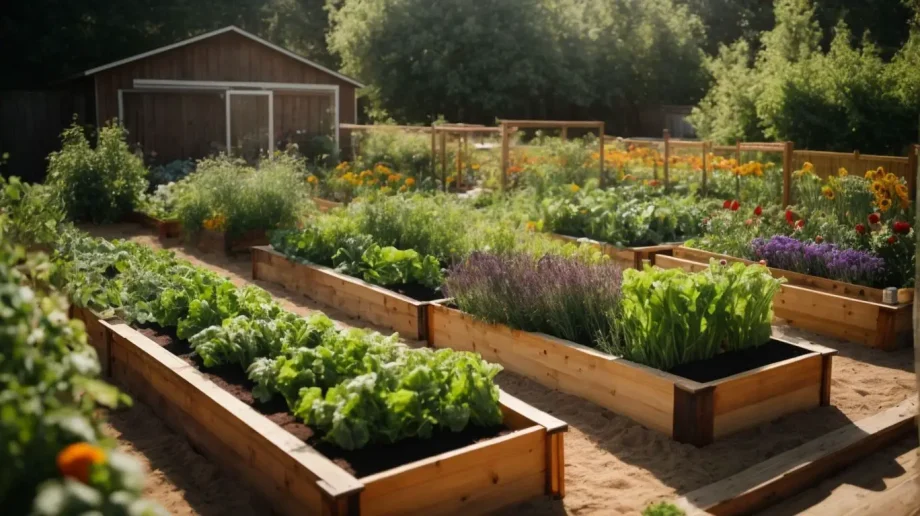
Thinking about starting your own garden but not sure where to begin? Whether it’s a small container garden or a larger plot, this guide will help you start a garden that not only thrives but also enhances your physical and mental well-being.
New to gardening? Here’s how to lay the foundations of a healthy garden that will thrive and bring you joy.
This beginner’s guide focuses on creating a garden that is easy to manage and full of health benefits.
Selecting the Right Location: Choose a location that receives at least six hours of sunlight daily and is close to a water source. Avoid areas prone to flooding or heavy shade. Also, make sure the area has good drainage to prevent waterlogging, which can harm plant roots. Avoid locations near large trees that might compete with your plants for light and nutrients.
Starting with Easy Plants: Begin with low-maintenance plants known for their hardiness and health benefits. Herbs like mint and basil, vegetables like lettuce and radishes, and flowers like marigolds and sunflowers are great starter options.
Soil Preparation and Plant Care: Test your soil to understand its nutrient content and pH level. Amend the soil with compost to improve fertility. Learn about the watering and care requirements for the plants you choose to ensure they grow healthy and strong.
Building a Sustainable Garden Setup
Setting up your garden for long-term success involves more than just planting seeds.
Here’s how to establish a sustainable garden that maximizes health benefits and minimizes environmental impact.
Choosing Native Plants: Opt for native plants that are adapted to your local climate and soil conditions. These plants require less water and fewer pesticides, contributing to a healthier garden ecosystem.
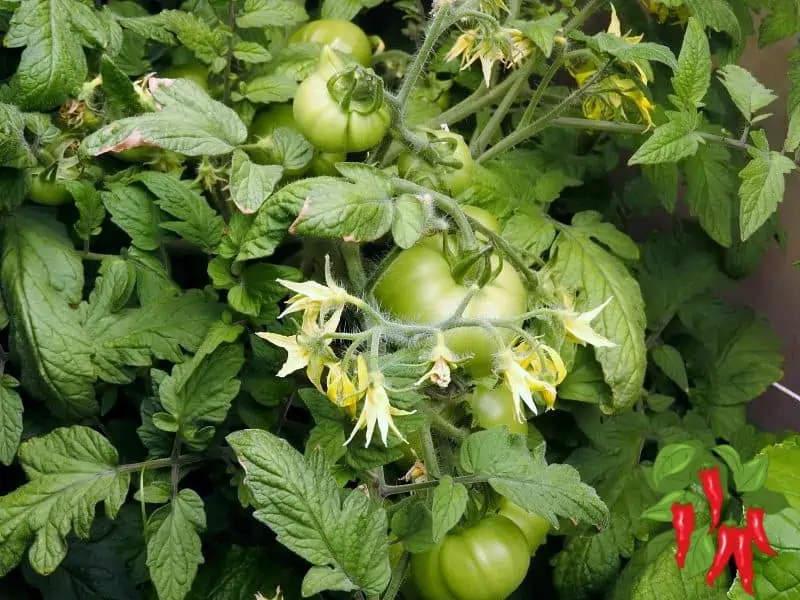
Implementing Companion Planting: Plant compatible species together to naturally deter pests, enhance pollination, and improve plant growth. For example, planting marigolds with tomatoes can help repel pests while beans planted near corn can fix nitrogen in the soil, benefiting both plants.
Water Conservation Techniques: Use mulching to retain soil moisture and reduce water evaporation. Consider installing a rain barrel to collect rainwater for watering your garden, which conserves water and is better for plant health.
By choosing the right location and setting up your garden thoughtfully, you can ensure that it not only thrives but also contributes positively to your health and the environment.
With these strategies in place, your garden will be a source of joy and health benefits for years to come.
FAQ Section: Unveiling the Health Benefits of Gardening
Curious about how getting down and dirty in your garden can spruce up your health?
Let’s dig through some commonly asked questions to see how a bit of gardening can lead to a lot of health perks!
Q: Does gardening count as physical exercise?
A: Absolutely! Gardening involves a variety of physical tasks like weeding, digging, and planting, which not only raise your heart rate but also improve muscle strength, flexibility, and hand coordination.
Regular gardening meets the recommended physical activity levels similar to exercises like yoga or badminton, making it a great way to keep fit.
Q: How does gardening improve mental health?
A: Gardening offers significant mental health benefits by reducing stress, anxiety, and depression.
It provides a peaceful environment that helps increase feelings of happiness and well-being.
Engaging in gardening can also enhance memory and is even used therapeutically to support individuals with conditions like dementia.
Q: Can gardening help with community building?
A: Definitely! Gardening can be a social activity that helps build community connections.
Participating in community gardens or gardening clubs is not only a way to share knowledge and resources but also helps reduce feelings of loneliness and isolation, making it a wonderful social activity.
Q: Are there any dietary benefits to gardening?
A: Yes, gardening can lead to a healthier diet. Growing your own fruits and vegetables often results in a higher intake of fresh, nutritious produce.
Home-grown food is typically fresher, more flavorful, and free of extensive pesticides compared to store-bought alternatives, encouraging a healthier, more balanced diet.
Q: What are the environmental benefits of gardening?
A: Gardening contributes positively to the environment in several ways.
It helps reduce your carbon footprint by lowering the need for transportation and packaging associated with store-bought produce.
Gardens also support biodiversity by providing habitats for various species and encouraging pollinator activity.
Using sustainable practices like composting and natural pest control can significantly decrease waste and chemical use, further protecting the ecosystem.
Engaging in gardening fosters a deeper connection and responsibility toward maintaining a healthy planet.
Conclusion: Reaping the Rewards of Gardening
Well, y’all, we’ve just turned over quite a bit of soil discussing the extensive health benefits that gardening can sprout.
It’s clear that this beloved pastime is more than just a hobby; it’s a vital component of a healthy lifestyle.
Recapping the Garden’s Bounty: A Healthful Harvest
Total Wellness: Gardening impacts nearly every aspect of health, from physical fitness and mental clarity to emotional stability and community connection.
A Natural Healer: The therapeutic qualities of gardening help combat stress, anxiety, and depression while fostering a sense of peace and satisfaction.
Why Include Gardening in Your Lifestyle:
For Body and Mind: Regular gardening can significantly improve your physical health by increasing fitness levels, reducing blood pressure, and enhancing vitamin D absorption.
For Heart and Soul: The peaceful nature of gardening nourishes the soul, eases the mind, and can improve overall emotional health.
Key Takeaways:
Engage Regularly: Gardening regularly can lead to long-term health benefits, including reduced risk of chronic diseases.
Start Small: Even small, manageable gardening projects can have significant health benefits.
Connect and Grow: Use gardening as a way to strengthen community ties and enhance personal well-being.
Safety First: Always practice safe gardening to enjoy its full benefits without risk.
By now, I hope you’re inspired to grab a trowel and some seeds to start your own garden.
Whether it’s a few pots on a balcony or a dedicated garden space, the health benefits are ripe for the picking. Happy gardening, folks!
Resource Section: Deepening Your Understanding of Gardening’s Health Benefits
Hello fellow gardeners! If you’re keen to delve deeper into the myriad health benefits gardening offers, I’ve compiled a list of authoritative sources that provide insightful research and practical advice.
These resources cover various aspects of gardening’s impact on physical, mental, and environmental health.
Mayo Clinic Health System: Explore an insightful article that delves into the physical and mental health benefits of gardening, emphasizing how this activity can serve as an effective form of exercise and stress relief.
BMJ Open: This comprehensive review discusses the impact of gardening on health and well-being, with a strong focus on gardening as a beneficial social prescription.
Systematic Reviews Journal: An umbrella review and meta-analysis that evaluates the effects of gardening on various health outcomes, including mental health and quality of life.
ScienceDirect: Provides insights into the attitudes towards gardening and the perceived health benefits, exploring why engaging with your garden can lead to better health.
These resources will equip you with a richer understanding of how gardening not only beautifies your surroundings but also significantly enhances your health.
Whether you’re a seasoned gardener or just starting out, these articles offer valuable information to help you make the most of your gardening efforts.