

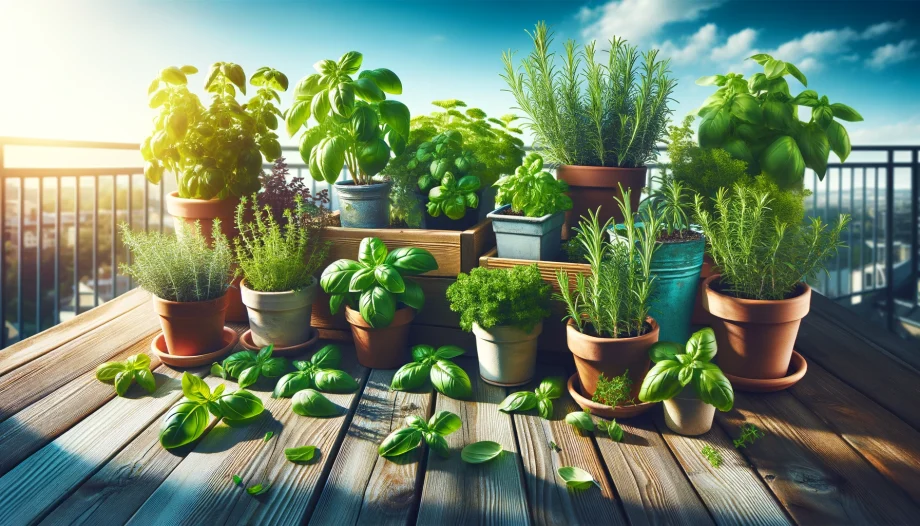
Get ready to infuse your dishes with the freshest flavors right from your kitchen! Our guide to “10 Easy-to-Grow Herbs for Your Apartment Kitchen Garden” is your passport to a world of aromatic delights.
Picture this: your very own green sanctuary, nestled in the heart of your kitchen. With our “10 Easy-to-Grow Herbs” guide, you’re on your way to turning your cooking space into a lively, fragrant garden.
From the irresistible fragrance of basil to the rich, earthy notes of rosemary, embark on a culinary journey that starts just steps away from your stove.
Easy To Grow Herbs Key Takeaways:
- Easy-to-grow herbs for an apartment include basil, rosemary, oregano, thyme, chives, bay laurel, parsley, cilantro, dill, and mint.
- They require minimal space, love sunlight, and provide fresh flavors for your home-cooked meals
- They make indoor gardening a tasty and rewarding experience.
Easy-to-Grow Herbs for Your Apartment
Cultivating herbs in your apartment isn’t just about embracing self-sufficiency; it’s a voyage into nature’s embrace, just on a cozier scale.
Picture this: fresh herbs within arm’s reach, ready to lift your culinary game and infuse a touch of the wild into your city living.
An apartment herb garden is a charming mix of beauty and utility, making your home a tastier, greener place.
Easiest Herbs to Grow Indoors
Transforming your apartment into a verdant sanctuary isn’t just a fantasy. The joy of plucking fresh basil, the kick of homegrown mint, and the delight of adding your own rosemary to dishes is simply unmatched.
Dive into this guide to create your own mini garden oasis with the easiest herbs to nurture in pots, right in the heart of your urban space.
Choosing the Easiest Herbs to Grow Indoors

Kicking off your indoor gardening adventure starts with picking the right herbs. The space you’ve got, how much sunlight streams in, and your local climate are biggies when it comes to deciding which herbs to grow.
Some herbs are easygoing and can thrive in different conditions, while others might need a bit more TLC to really flourish.
Considering the Available Space and Sunlight
Each herb has its own space and sunlight needs. For example, basil and rosemary love soaking up the sun and are perfect for a spot on a sunny windowsill.
Meanwhile, mint and parsley are more laid-back and don’t mind a bit of shade.
Taking a good look at the space and sunlight in your apartment will help you pick the herbs that will feel right at home.
Understanding the Climate and Choosing Herbs Accordingly
The weather outside your window has a big say in how your herbs will grow. Oregano and thyme are like sunbathers, loving those warmer climates. On the flip side, parsley and chives are more the cool weather types.
Picking herbs that jive with your local weather is key to making sure they grow strong and give you plenty of tasty leaves to enjoy.
Warm-Weather Herbs
If you’re basking in the sun more often than not, herbs like basil, cilantro, and lavender will be right at home in your apartment garden.
Cool-Weather Herbs
For those in chillier spots, herbs like mint, dill, and tarragon can handle the cold and still keep your dishes flavorful.
Top 10 Easy to Grow Herbs
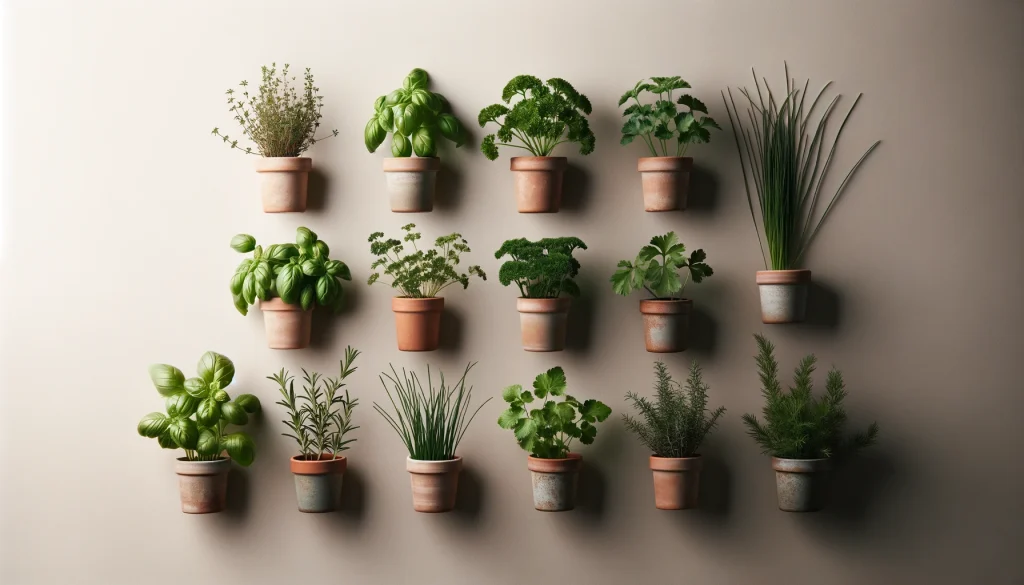
Setting off on your indoor herb gardening adventure is a thrilling ride. Picking the right herbs is key to creating a vibrant green space and adding a dash of flavor to your culinary creations.
These ten herbs are champions when it comes to ease of growing and versatility, making them perfect picks for your apartment garden.
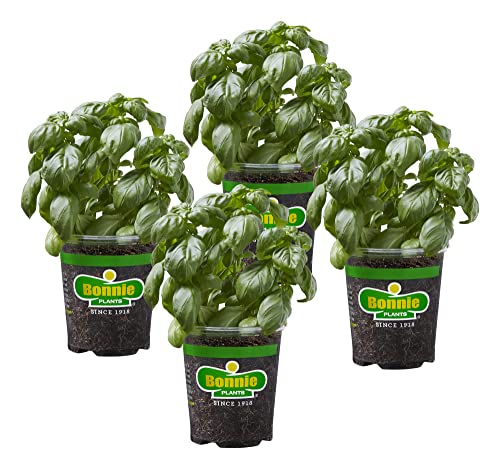
1. Basil
-
Growing Conditions:
- Soil: Rich, organic potting soil.
- Sunlight: At least six hours of sun, preferably on a sunny windowsill.
- Water: Keep the soil moist but not wet.
-
Uses in Cooking:
- Basil is a quintessential ingredient in Italian cuisine, especially for making fresh pesto. It also adds a fresh flavor to salads, sandwiches, and soups.
2. Rosemary

-
-
Growing Conditions:
- Soil: Well-draining loamy soil.
- Sunlight: Six to eight hours of sunlight, can be placed in direct sunlight.
- Water: Water semi-frequently and ensure good drainage.
-
Uses in Cooking:
- Rosemary is known for its aromatic flavor which complements a variety of dishes like roasts, stews, and soups. Its pine-like aroma enhances the taste and smell of the dish.
-
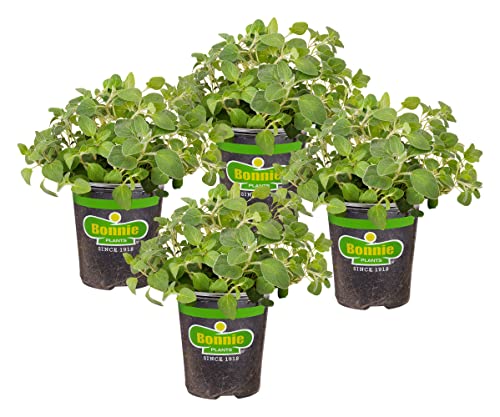
3. Oregano
-
Growing Conditions:
- Soil: Well-draining soil is essential to prevent waterlogging.
- Sunlight: Six to eight hours of sunlight, preferably on a windowsill or patio ledge.
- Water: Water when the soil is dry, ensuring good drainage to prevent root rot.
-
Uses in Cooking:
- Oregano is a staple in Italian and Greek cuisine, adding a robust flavor to sauces, soups, and stews.
4. Thyme

-
Growing Conditions:
- Soil: Well-draining soil, potted in a container for ease of care.
- Sunlight: Plenty of sunlight, placing it on a balcony or windowsill for maximum exposure.
- Water: Water occasionally, allowing the soil to dry out between watering.
-
Uses in Cooking:
- Thyme is a versatile herb that blends well with a variety of cuisines, adding a subtle earthy flavor to dishes.
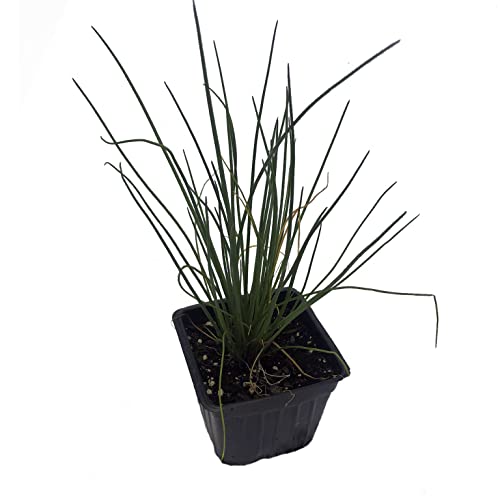
5. Chives
-
Growing Conditions:
- Soil: Rich, well-draining soil to promote growth.
- Sunlight: Six to eight hours of sunlight, can be placed indoors or outdoors.
- Water: Keep the soil nice and damp, but not waterlogged.
-
Uses in Cooking:
- Chives add a mild onion flavor to dishes, perfect for garnishing salads, soups, and baked potatoes.
6. Bay Laurel

-
Growing Conditions:
- Soil: Well-draining soil, potted in a spacious container to allow growth.
- Sunlight: Ample sunlight, ensure good air circulation to keep the plant healthy.
- Water: Regular watering but ensure the soil is not waterlogged.
-
Uses in Cooking:
- Fresh or dried bay leaves are used to flavor soups, stews, and sauces, adding a subtle yet distinct taste.
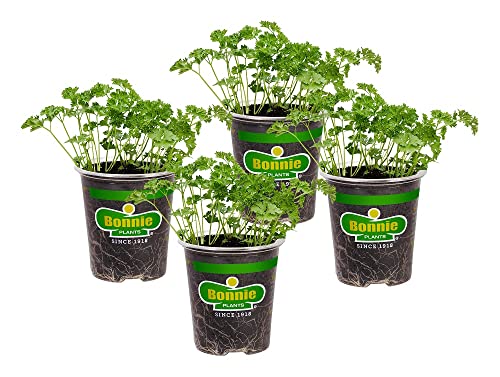
7. Parsley
-
Growing Conditions:
- Soil: Rich, well-draining soil to promote healthy growth.
- Sunlight: Prefers cooler, sunny areas but can tolerate some shade.
- Water: Keep the soil moist, watering when the top layer of soil feels dry.
-
Uses in Cooking:
- Parsley is great for garnishing and adds a fresh, herbaceous flavor to a variety of dishes.
8. Cilantro

-
Growing Conditions:
- Soil: Well-draining, fertile soil to promote growth.
- Sunlight: Full sun to partial shade, ensuring it receives ample light.
- Water: Regular watering to keep the soil moist but well-drained.
-
Uses in Cooking:
- Cilantro adds a zesty flavor to dishes, ideal for salsas, salads, and various Asian and Latin American cuisines.
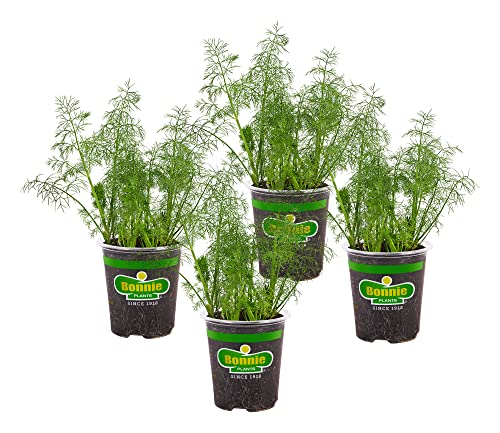
9. Dill
-
Growing Conditions:
- Soil: Well-draining soil, potted in a container for ease of care.
- Sunlight: Full sun to partial shade, ensuring it receives enough light to grow.
- Water: Regular watering, allowing the soil to dry out between watering.
-
Uses in Cooking:
- Dill is perfect for flavoring pickles, salads, and fish dishes, adding a fresh and tangy flavor.
10. Mint

-
Growing Conditions:
- Soil: Rich, well-draining soil, potted in a container to contain its growth.
- Sunlight: Full sun to partial shade, ensuring it receives enough light.
- Water: Regular watering to keep the soil moist.
-
Uses in Cooking:
- Mint is a versatile herb, great for both savory and sweet dishes, as well as refreshing beverages like mojitos and mint tea.
Each of these herbs brings a unique flavor profile to your culinary adventures, besides purifying the air and adding a touch of green to your apartment.
With a little love and care, these herbs will thrive, making your apartment herb garden a fragrant, green haven.
Getting Started with Your Apartment Herb Garden

Taking the first step to create your indoor herb paradise is super exciting and super important.
From deciding between young plants or seeds, to picking the perfect soil and containers, every choice you make sets the stage for your garden’s success.
Buying vs. Growing from Seeds
Purchasing Young Plants:
- Great for beginners: Young plants are a bit more forgiving and can give you a confidence boost as you start your gardening journey.
- Quick start: If you’re eager to see some green, young plants like rosemary and oregano can give you a head start, as they take their sweet time to grow from seed.
Starting from Seeds:
- Wallet-friendly: Seeds are usually more budget-friendly than buying established plants.
- More options: Starting from seed opens up a whole world of herb varieties you might not find as young plants at the store. Plus, there’s something super rewarding about watching your herbs sprout from tiny seeds.
No matter which route you choose, getting your indoor herb garden going is a fun and flavorful adventure. Just imagine snipping fresh basil or sprinkling homegrown chives onto your dishes – it’s like adding a pinch of love to every meal!
Choosing the Right Soil and Containers
Setting up your indoor herb garden is like creating a cozy home for your green pals. The soil and containers you pick are super important to make sure your herbs grow happy and healthy.
Soil: The Foundation of Your Herb Garden
- Drainage is Key: Herbs don’t like soggy feet, so well-draining soil is a must. This keeps the roots healthy and prevents rot.
- Nutrient-Rich Mix: Herbs love a soil that’s packed with nutrients. An organic potting mix is a great choice, giving your herbs the food they need to thrive.
- pH Matters: Most herbs prefer a neutral to slightly acidic pH. If you’re unsure, a simple soil test can help you adjust the pH to keep your herbs smiling.
Coco Coir and Perlite:
Using coco coir and perlite as your potting mix can work wonders. Coco coir helps retain moisture and improve drainage, while perlite keeps the soil light and airy, providing the perfect environment and pH for herb roots to flourish.
It is also sustainable and lighter in weight than potting soil but it must be fertilized because it contains few nutrients.
Containers: The Herb’s Personal Space
- Drainage Holes are a Must: Just like with the soil, good drainage in the container is crucial. Make sure your pots have holes at the bottom to let excess water escape.
- Size Matters: Pick containers that give your herbs enough room to grow. A cramped pot can stunt their growth and leave you with less-than-lush herbs.
- Material Choices: Terracotta, ceramic, or plastic? Each has its pros and cons. Terracotta is breathable but dries out quickly, while plastic retains moisture better but doesn’t allow the soil to breathe as much.
Remember, the right soil and container combo is like a comfy bed for your herbs. Get it right, and you’ll be on your way to a flourishing indoor garden!
Positioning Your Herbs for Optimal Sunlight
Finding the perfect sunny spot for your herbs is like giving them a front-row seat to their favorite show – the sunlight!
Herbs love basking in the sun, and getting their light just right is key to their growth and flavor.
Sunlight Requirements: The More, the Merrier
- A Daily Dose of Sunshine: Most herbs are sun worshippers, needing around 6 to 8 hours of sunlight each day to thrive. This helps them grow strong and gives them that zesty flavor we love.
- Scouting the Sunny Spots: Take a look around your apartment and find the brightest spots. Windowsills that face south or west are usually the sunniest. Balconies or any spot that gets a good amount of direct sunlight are also great choices.
- Use LEDs: If you lack sun you can supplement light with LED grow lights.
The AeroGarden is another great option for small spaces. It is compact, affordable, and includes a built-in grow light and the AeroGarden Harvest comes with herb seeds ready to grow.
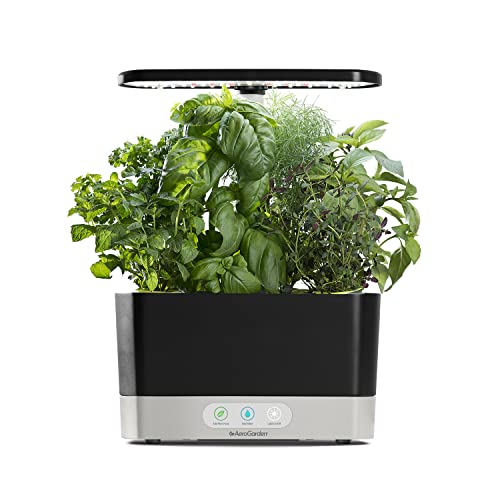
AeroGarden Harvest with Gourmet Herb Seed Pod Kit
Adjusting to Your Herb’s Needs
Herbs are a bit like people – each one has its own preferences and needs. While they all love a good dose of sunlight, some are more flexible than others when it comes to their sunbathing habits.
Different Herbs, Different Needs: Embracing Diversity
- Sun Lovers and Shade Seekers: Most herbs are sun lovers, but there are a few that don’t mind a little shade. Mint and parsley, for example, can still thrive with a bit less sunlight. This flexibility makes them great choices for spots in your apartment that might not get a full day of sun.
- Getting to Know Your Herbs: Take some time to learn about the specific sunlight needs of each herb you’re growing. This knowledge will help you place them in the best possible spot for their growth and health.
Watching and Rotating: Keeping an Eye on Your Green Friends
- Observation is Key: Keep a close eye on your herbs’ growth and appearance. If they start stretching out or looking pale, it’s a sign they’re reaching for more light. This is your cue to move them to a sunnier spot.
- Rotation for Even Growth: Rotating your herb pots every now and then ensures that each side of the plant gets its turn in the sun. This leads to more balanced growth and prevents your herbs from leaning too much in one direction.
By tuning into your herbs’ individual sunlight needs and making small adjustments, you’ll create a thriving indoor garden that’s full of happy, sun-kissed herbs!
Maintenance and Harvesting
Tending to your herb garden is like nurturing a little piece of nature right in your home.
With some regular care and attention, you can keep your herbs flourishing and ready to add a burst of flavor to your dishes whenever you need them.
Regular Watering: Keeping the Thirst at Bay
- Consistency is Key: Herbs like their soil to be moist but not waterlogged. Find a watering rhythm that keeps the soil just right – not too dry, not too soggy.
- Mind the Drainage: Make sure your pots have good drainage to prevent water from pooling at the bottom. This helps prevent root rot and keeps your herbs happy.
Timely Harvesting: Picking at the Perfect Time
- Frequent Snips: Regularly harvesting your herbs can actually encourage more growth. So, don’t be shy about snipping off what you need for your cooking.
- The Morning Magic: The best time to harvest herbs is in the morning when their oils are most concentrated. This is when they’re at their most flavorful.
Occasional Pruning: A Little Trim for Big Benefits
- Promoting Growth: Pruning your herbs now and then helps them grow fuller and bushier. Just trim off any long or leggy stems to encourage new growth.
- Keeping Things Tidy: Removing dead or yellowing leaves not only keeps your plants looking neat but also helps prevent disease.
By sticking to a regular maintenance routine and knowing when to harvest and prune, you’ll keep your indoor herb garden thriving and your kitchen stocked with fresh, aromatic herbs.
Watering Schedule
Watering your herbs is like giving them a refreshing drink, but it’s all about finding that sweet spot – not too much, not too little.
Regular Watering: Quenching Their Thirst Just Right
- Drainage is a Must: Herbs love well-drained soil. They want to take a sip, not go for a swim, so over-watering is a no-no. It can lead to soggy roots and unhappy plants.
- Feel the Soil: Get up close and personal with your herbs. Give the soil a quick check with your finger. If the top layer feels dry, it’s time for a drink. If it’s still damp, hold off on watering for a bit longer.
- Morning is Best: Watering your herbs in the morning gives them plenty of time to soak up the water and get ready for a day of basking in the sun. It also helps prevent water evaporation, so they get all the hydration they need.
- Watch the Weather: If your apartment gets a lot of sun or if it’s particularly hot, your herbs might need a bit more water. On the flip side, if it’s cooler or cloudy, they might not need as much. Keep an eye on the weather and adjust your watering accordingly.
By sticking to a regular watering schedule and paying attention to the needs of your herbs, you’ll keep them healthy, hydrated, and ready to add a pop of flavor to your meals.
Pruning and Harvesting Your Herbs
Keeping your herbs pruned and harvested is like giving them a little spa treatment. It keeps them looking good, growing well, and ready for your next culinary masterpiece.
Pruning: A Snip Here, A Snip There
- Encourage Growth: Regular pruning isn’t just about keeping things tidy. It tells your herbs to grow more leaves, which means more for you to use in the kitchen.
- Healthy Housekeeping: Keep an eye out for any leaves that are starting to look sad, yellow, or brown. Snipping these off keeps your plant healthy and prevents any potential disease from spreading.
Harvesting: Picking the Prime Moments
- Timing is Everything: The best time to harvest your herbs is in the morning. This is when their oils (aka the stuff that makes them taste amazing) are at their peak.
- Tools of the Trade: Use a pair of sharp scissors or pruning shears to make clean cuts. This helps prevent any damage to the stems, keeping your herbs happy and healthy.
By staying on top of pruning and harvesting, you’ll keep your herbs lush and flavorful, ready to add a fresh touch to your cooking whenever you need it.
10 Best Herbs to Grow Indoors FAQs
Diving into indoor herb gardening can bring up a bunch of questions. Tackling these FAQs can help you keep your indoor garden lush and flourishing.
Let’s dig into some common questions about nurturing herbs in your apartment:
Q: How much sunlight do indoor herbs need?
A: Most herbs require 6 to 8 hours of sunlight daily, but some herbs like mint and parsley can tolerate some shade.
Q: Can all herbs grow indoors?
A: While many herbs should grow indoors, the growing conditions may vary, and some may require more care and attention.
Q: Which herbs grow best indoors?
A: Herbs such as basil, oregano, thyme, chives, and mint are known to thrive indoors given the right conditions like adequate sunlight and proper watering.
Q: Can herbs be grown inside year-round?
A: Yes, many herbs can be grown indoors year-round, especially perennial herbs like rosemary, oregano, and chives. However, they still need adequate light, water, and proper care to thrive.
Q: Which herbs grow fastest indoors?
A: Herbs like basil, chives, and mint tend to grow fast indoors. With proper care and adequate sunlight, they can provide a bountiful harvest in a short amount of time.
Q: What are the easiest herbs to grow for beginners?
A: Beginners might find it easier to start with herbs like basil, mint, chives, and oregano as they are less demanding in terms of care and adapt well to indoor conditions.
These FAQs should help clear any doubts and provide a clearer path towards establishing your indoor herb garden.
Armed with this knowledge, you can avoid common pitfalls and enjoy a thriving garden that brings flavor and freshness to your home-cooked meals.
Growing Herbs in Pots Indoors Conclusion
Setting off on your indoor gardening adventure is a rewarding journey that brings a touch of sustainability right into your home.
With the right mix of herbs and a little TLC, you’ll be reaping the rewards of your very own apartment garden.
A Step Towards Greener Living
- Sustainable Choices: Growing herbs indoors is a small but impactful way to live a little greener. It reduces your carbon footprint and brings you closer to the food you eat.
- Eco-Friendly Tips: Consider using recycled containers or organic potting mixes to make your herb garden even more earth-friendly.
Harvesting Your Green Rewards
- Bountiful Harvests: With the right care, your indoor herbs will provide a steady supply of fresh flavors for your kitchen.
- The Taste of Success: There’s nothing quite like the satisfaction of adding homegrown herbs to your dishes. It’s a taste of success that makes every meal special.
Continuing Your Gardening Journey
- Keep Learning: Check out more resources like our “Indoor Apartment Gardening: 15 Point Comprehensive Guide” to keep your green thumb growing.
- Expand Your Garden: Once you’ve mastered herbs, why not try your hand at other indoor plants? The possibilities are endless!
Related Posts:
Visit my Amazon Influencer Page for videos and gardening products Grow Your Own Garden